Agenda Económica AM Review 2026: Pros, Cons, and Features Tested
| Min Deposit | $200 |
| Max Leverage | 1:500 |
| Assets | Forex, Indices, Commodities, Crypto CFDs, Share CFDs |
| Platforms | Proprietary WebTrader, iOS app, Android app |
Think of Agenda Económica AM as an offshore-style CFD broker aimed at traders who want multi-asset access and high leverage, with the trade-off being a lighter regulatory safety net than Tier-1 venues. In my 2026 walkthrough of Agenda Económica AM, the account menu split cleanly into a spread-only Standard tier and a tighter-spread Raw/ECN-style tier built for higher-frequency execution. The product shelf leans practical (FX majors, US indices, gold, and large-cap crypto CFDs) rather than “everything under the sun.” The proprietary WebTrader is the core experience, with mobile apps that mirror most functions. The biggest drawback: you’re relying on offshore registration plus the broker’s internal policies for dispute escalation and protections.
Pros
- Two clear pricing lanes (spread-only vs. Raw/ECN-style) so you can match costs to your trading cadence
- Solid core market coverage for macro-style trading: FX, indices, metals, and major crypto CFDs
- Web + mobile platform stack that keeps the workflow consistent across devices
Cons
- Operates under an offshore framework, which usually means fewer formal investor-compensation backstops
- MT4/MT5 ecosystem isn’t something I could verify inside the client area during testing
- Dormant accounts can pick up an inactivity charge after a period without trading
Is Agenda Económica AM Legit and Safe?
Agenda Económica AM looked operational and tradeable in my test—deposits posted, orders executed, and withdrawals followed a defined flow—so I don’t classify it as a “scam” based on what I could verify. The caveat is structural: it runs under an offshore registration model, so protections and dispute routes are typically thinner than FCA/ASIC-style supervision.
Safety signals showed up early in the funnel. Before I could request a payout, the broker enforced KYC/AML checks (photo ID plus proof of address dated within three months), and the legal pages referenced segregated client funds language—helpful, though still policy-driven in an offshore setup. The registration footprint pointed to the Mauritius FSC, which often correlates with higher leverage availability (here, up to 1:500) and fewer standardized compensation mechanisms if something goes wrong. I also did a quick red-flag scan: no aggressive “account manager” pressure during onboarding, no suspicious trophy-badge overload on the dashboard, and no weird upsell loop after my first deposit. Still, remember what you’re buying: CFDs are leveraged products; margin calls happen fast, and many retail accounts lose money. Capital is at risk.
Supported Countries & Restricted Regions
The broker is generally accessible across parts of LATAM, MENA, Southeast Asia, and selected non-EU European jurisdictions, with stricter exclusions for heavily regulated markets. The USA is blocked, and sanctioned jurisdictions are also restricted.
| Region | Status | Leverage Cap |
|---|---|---|
| Latin America (selected countries) | Accepted | Up to 1:500 |
| MENA (selected countries) | Accepted | Up to 1:500 |
| Southeast Asia (selected countries) | Accepted | Up to 1:500 |
| Europe (non-EU/EEA, selected) | Accepted | Up to 1:200 |
| USA | Restricted | Not offered |
| Sanctioned jurisdictions | Restricted | Not offered |
In practice, eligibility is enforced through a mix of IP/location checks and KYC details at verification, and I’ve seen brokers in this segment tighten or loosen coverage quickly as policies change. If your passport and proof-of-address don’t line up with an accepted region, the account can be limited before withdrawals are approved.
Tradable Assets and Markets
The lineup reads like it was designed for “macro traders with a day job”: enough instruments to express views across FX, rates-sensitive indices, and risk assets, without turning the platform into a cluttered catalog. I spent most of my test time bouncing between index CFDs and FX pairs because that’s where the execution feel is easiest to benchmark.
- Indices: Major benchmarks like US500 and NAS100 plus European staples, built for session-based trading around US data and earnings narratives.
- Forex: A broad set of majors and minors (roughly 40+ pairs), with spreads that behave most predictably during London/NY overlap.
- Commodities: Metals and energy (gold, silver, WTI/Brent) for inflation and risk-off positioning.
- Crypto CFDs: Large-cap coins like BTC and ETH in CFD form, with financing dynamics that matter if you hold over weekends.
All of this is CFD exposure: you’re trading price movement, not taking delivery, not getting shareholder voting rights, and not moving coins on-chain. Any dividends (for share CFDs) are typically handled as broker adjustments rather than true ownership.
Agenda Económica AM Trading Fees and Spreads
Agenda Económica AM fees follow a two-tier pattern: Standard accounts bake costs into the spread, while the Raw/ECN-style tier tightens spreads and adds a per-lot commission. On EUR/USD, I saw the Standard pricing sit around the mid-pack for offshore CFD brokers, while the Raw/ECN lane is aimed at lower “all-in” cost if you trade size or frequency.
| Asset | Spread/Fee | Market Average Comparison |
|---|---|---|
| EUR/USD (Standard) | From 1.6 pips | Roughly in line |
| EUR/USD (Raw/ECN) | From 0.2 pips + $7 round-turn/lot | Often better for active traders |
| Bitcoin (BTC/USD) | From $35 spread | Competitive |
| Gold (XAU/USD) | From $0.30 | In line |
| US500 Index | From 0.8 points | In line |
Non-spread costs to watch: Overnight swap/financing is where long holds get expensive, especially on indices and leveraged FX; I pulled swap quotes from the instrument specs before holding positions past rollover. The provider also applies a $10 monthly inactivity fee after 90 days without trading, which can quietly tax “set-and-forget” accounts. On top of that, funding in a non-base currency can create conversion drag, and weekend financing on crypto CFDs can compound faster than many traders expect.
Agenda Económica AM Trading Platforms and Tools
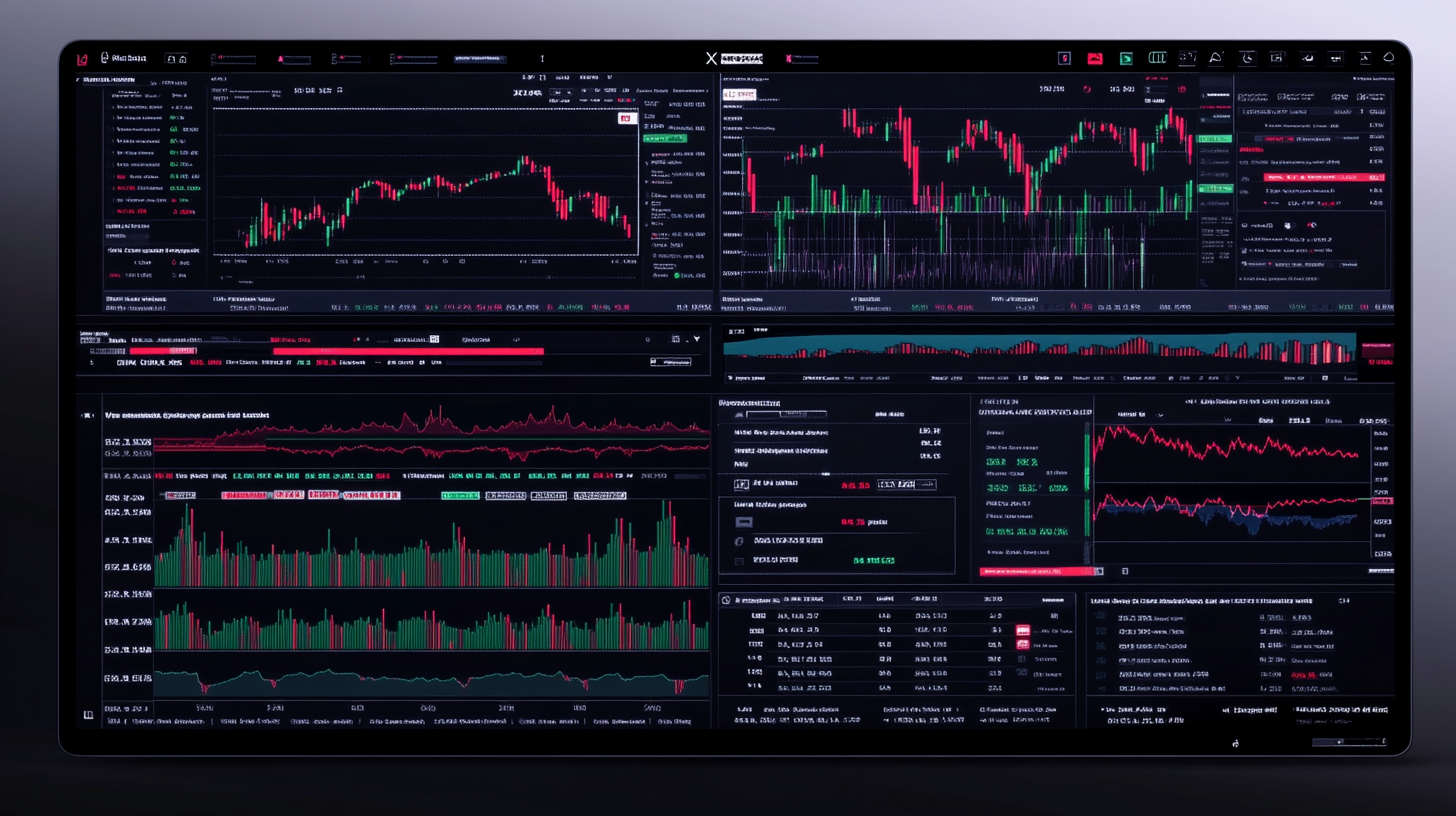
On desktop, the proprietary WebTrader behaved like a modern, broker-built UI: stable session persistence, quick instrument search, and a ticket that supports market, limit, and stop orders with visible margin impact before you commit. During the NY open I fired a small US500 position and watched for sloppy behavior (delays, frozen quotes); execution felt consistent, though you don’t get the huge plugin ecosystem you’d normally associate with MT4/MT5. If you’re an automation-first quant trader, that absence matters; if you’re discretionary, the basics are there.
Agenda Económica AM App: Mobile Trading Experience
The Agenda Económica AM app tracked the web layout closely—watchlists, one-tap close, and order modification were easy to find, and biometric unlock was available on my device. I also tested the Agenda Económica AM login flow after a forced logout and it resumed with a clean re-auth rather than looping errors. Deposits and withdrawals were accessible from mobile, which is convenient, but I’d still initiate larger withdrawals from desktop just to reduce fat-finger risk. Push notifications existed for price levels, though I’d like more granular triggers for margin alerts.
Charting, Tools & Research
Charting covered the practical stack: multi-timeframe views, common indicators (RSI, MACD, moving averages, Bollinger Bands), plus basic drawing tools for levels and trend lines. An economic calendar and integrated news feed helped me sanity-check volatility windows, but research depth won’t replace a dedicated terminal. For most retail workflows, it’s enough context to avoid trading blind into CPI or central bank headlines.
Agenda Económica AM Account Opening & Minimum Deposit
After I hit “Create account,” the signup asked for the usual identity basics plus residency details, and the verification panel immediately queued KYC steps rather than hiding them until withdrawal. I uploaded a passport photo and a recent bank statement (under three months), and the compliance check cleared within the same business day. That gating is a good sign for AML hygiene, even if it adds friction when you’re trying to move fast.
- Minimum Deposit: $200 (this is the Agenda Económica AM minimum deposit I saw on the funding screen)
- Funding Methods: Visa/Mastercard, bank wire, regional e-wallets, and crypto rails (BTC/USDT were available in my test)
- Demo Account: $10,000 virtual balance for testing order types and spreads without exposure
- Account Types: Standard (spread-only) and Raw/ECN-style (tighter spread + $7 round-turn/lot commission)
One detail I liked: the account area surfaced base-currency choices early, which helps reduce conversion fees later if your deposits match your trading P&L currency. For a quick UI check or a strategy dry run, you can start with the demo and only fund after you’ve mapped the instrument specs and margin schedule on Agenda Económica AM.
Agenda Económica AM Customer Support Review
I tested support with a very trader-specific question: how swap/overnight financing is calculated on US500 and whether weekend financing is tripled at rollover. Live chat answered in about three minutes with a clear pointer to the contract specs plus a short explanation of the rollover schedule; the rep didn’t dodge into marketing. For a paper trail, I followed up via email and got a more detailed reply in roughly nine hours, including where to find the fee fields inside the platform.
Coverage matched what you’d expect from a CFD venue: 24/5 availability on chat and email, with weekend responsiveness tapering unless markets are particularly active (crypto exceptions vary). Language support is region-dependent, and I didn’t see a universally advertised phone desk in the dashboard—so if you’re the type who wants voice escalation, that’s a consideration. Relative to peers in the offshore category, the answers were more concrete than scripted.
Ready to Explore Agenda Económica AM?
If you’re curious, treat it like a product test: open a demo first, inspect margin requirements, and compare real spreads during London/NY overlap before committing meaningful capital. Also confirm your country eligibility and withdrawal method upfront, because offshore brokers can be strict at verification time.
Agenda Económica AM Review FAQ
Is Agenda Económica AM good for beginners?
Yes, for basics—especially if you start on the $10,000 demo and keep position sizing small when you go live. The UI is approachable, but the leverage (up to 1:500) can punish new traders quickly. Beginners should focus on risk controls (stop losses, lower leverage) before optimizing fees.
Can I trade crypto on Agenda Económica AM?
Yes, crypto trading is available as CFDs, including major pairs like BTC/USD and ETH/USD. You’re speculating on price, not buying coins to withdraw on-chain. Pay attention to spreads and weekend financing, which can be a meaningful cost if you hold positions.
Is Agenda Económica AM a scam?
No—based on my test, the platform functioned like a real broker (KYC enforcement, trade execution, and a working withdrawal flow). The more accurate framing is “offshore risk”: oversight and formal recourse are typically weaker than with Tier-1 regulators. Always trade assuming CFDs can move against you fast.
Is Agenda Económica AM available in the USA?
No, Agenda Económica AM is not offered to USA residents. The signup and verification process is designed to screen restricted jurisdictions. If you’re in the US, you’ll need a broker authorized for US regulation.
How long does a Agenda Económica AM withdrawal take?
Most withdrawals are processed internally within 24–48 hours after KYC is approved. Receipt time depends on the rail: cards commonly take 2–5 business days, bank wires around 3–7 business days, and crypto transfers are often same-day (sometimes within a few hours). Expect extra time during peak compliance periods or holidays.
What is the Agenda Económica AM minimum deposit?
The Agenda Económica AM minimum deposit is $200. That threshold is enough to test live spreads and execution, but it’s not a substitute for proper risk sizing. If you plan to trade frequently, the Raw/ECN-style tier may reduce all-in costs, depending on your volume.
Does Agenda Económica AM have a mobile app?
Yes, there are iOS and Android apps that mirror the WebTrader workflow. You can manage watchlists, place and edit orders, and access deposits/withdrawals from the phone. Mobile is strong for monitoring and execution, though I prefer desktop for larger administrative actions.
Final Verdict: Should You Use Agenda Económica AM in 2026?
Overall Score: 4.0/5
From a trader’s lens, the story is coherence: clear account tiers, usable proprietary platforms, and pricing that makes sense once you choose between Standard and Raw/ECN-style execution. I’d treat Agenda Económica AM as a high-leverage, offshore-registered tool for short-horizon strategies—not a forever home for long-term investing. The $200 entry point lowers the barrier to run small live experiments, and the product mix covers the “macro core” well. Keep the risk model tight: CFDs are leveraged instruments, and losses can exceed expectations if you oversize or ignore financing costs.
Best for: Active CFD traders who want 1:500 leverage and a clean WebTrader/mobile workflow. Avoid if: You require Tier-1 regulation, deep third-party platform ecosystems (MT4/MT5 add-ons), or you plan to hold leveraged positions for long periods.