Atlantic Neural Trading Platform Alternatives 2026: Reliable Options for Online Traders
Markets move faster than most dashboards can render—especially when you’re trading leveraged CFDs and the tape starts to gap. That’s why the platform and the legal wrapper around it matter as much as your strategy. Atlantic Neural appears positioned in the offshore, CFD-first segment: a proprietary WebTrader plus mobile apps, a relatively low minimum deposit (around $250), and headline leverage that can run as high as 1:500. The trade-off is familiar to anyone who’s built risk systems: when the broker is offshore (often under frameworks like Seychelles FSA) you typically get fewer investor-protection backstops than you’d expect from FCA/ASIC/CySEC/NFA environments.
For many active traders, the decision to explore Atlantic Neural alternatives isn’t ideological—it’s operational. Maybe you need deeper execution controls (STP/ECN-style routing, better transparency on slippage), tighter all-in cost for a high-frequency FX approach, or real multi-asset access (stocks/ETFs/futures) instead of “everything as a CFD.” Maybe your compliance reality changes—new residency, new bank rails, stricter KYC/AML checks—and you want a platform that plays nicely with that future state.
Below is a 2026-focused, risk-aware map of regulated options vs. Atlantic Neural, including platforms like Atlantic Neural in terms of UX simplicity, and more institutional stacks when you want real market access and robust oversight.
Disclaimer: This article is for informational purposes only and does not constitute investment advice. CFDs and other leveraged products can amplify losses; you can lose more than you deposit depending on your account protections and jurisdiction.
Key Takeaways (TL;DR)
- If you care about formal investor-protection frameworks, prioritize FCA/ASIC/CySEC/NFA-regulated brokers and confirm the license on the regulator’s public register.
- Compare “round-turn” trading cost (spread + commissions) and don’t ignore swap/overnight fees if you hold positions beyond a day.
- For real stocks/ETFs (not CFDs), multi-asset venues like IBKR and Saxo are often a cleaner fit than CFD-first platforms.
- Switching brokers is a sequence: open/KYC the new account first, export records, then withdraw using the original funding method to avoid AML friction.
What Is Atlantic Neural and How Does Its Trading Platform Work?
On the surface, Atlantic Neural looks like a streamlined, CFD-centric broker experience: forex pairs, major indices, a handful of commodities, and usually a menu of crypto CFDs. In this segment, the broker commonly acts as a market maker (or a hybrid internalization model), meaning your fills and pricing can depend on the broker’s dealing setup rather than pure exchange-style matching. That can be fine for small, casual tickets—until you scale size, trade news, or run latency-sensitive systems. The other characteristic traders notice: the USA is typically off-limits, and other restricted jurisdictions may apply, which can be a deal-breaker if you’re optimizing for long-term portability.
Atlantic Neural Web Trading Platform: Core Features and Tools
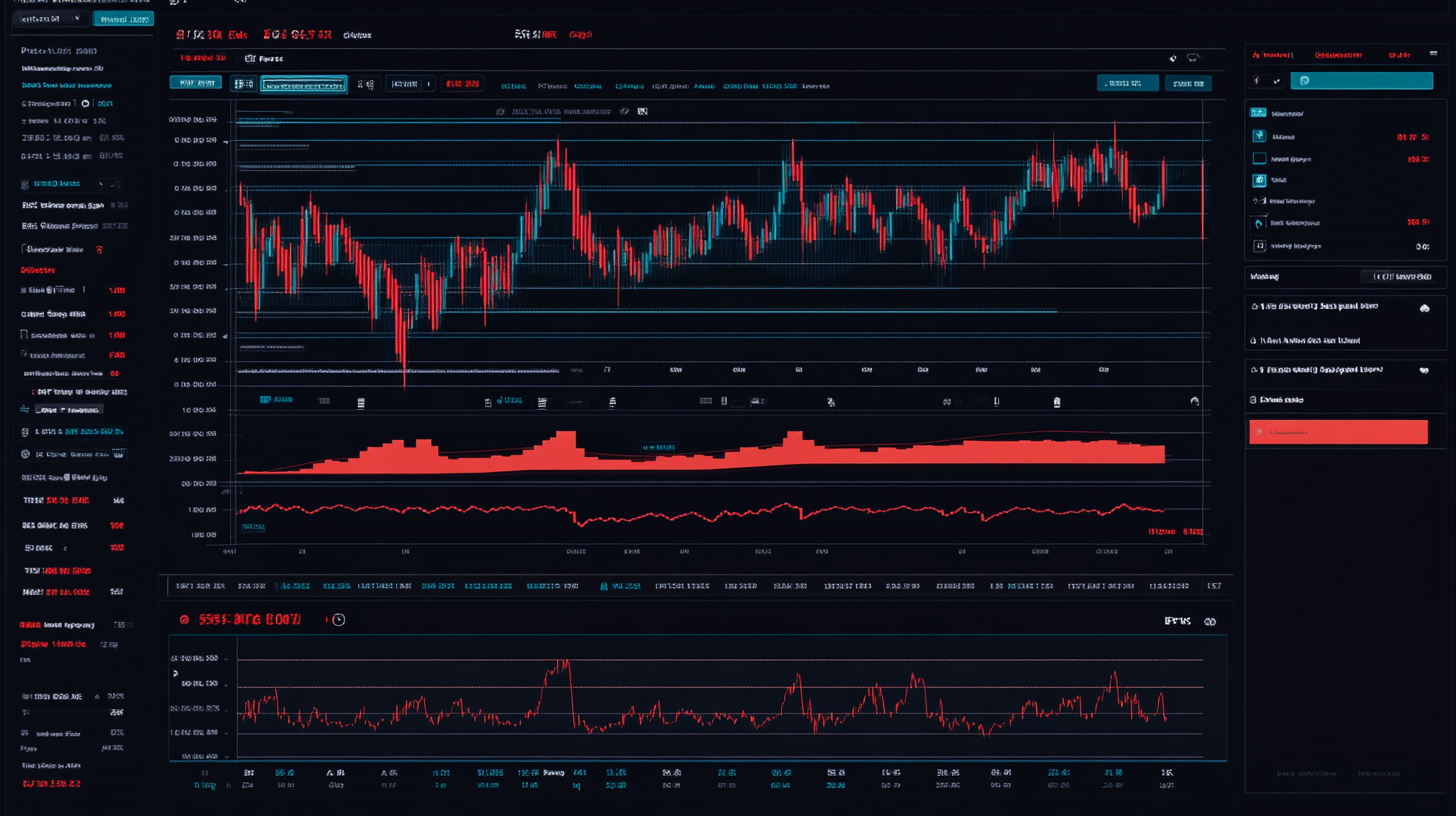
The Atlantic Neural platform stack is usually a proprietary WebTrader paired with iOS/Android apps. Expect basic-to-mid charting rather than a pro quant workstation: common indicators, standard drawing tools, and the usual one-click trading panel. Order types are typically the essentials—market, limit, stop—plus stop-loss/take-profit controls from the ticket. The account dashboard tends to focus on deposits/withdrawals, margin level, and open positions, with “good enough” mobile parity for monitoring. If you’re coming from MT4/MT5/cTrader ecosystems, that’s where competitors to Atlantic Neural often pull ahead: deeper tooling, more automation paths, and more granular execution reporting.
Trading Fees, Spreads, and Account Types at Atlantic Neural
Cost-wise, offshore CFD brokers commonly run a wider “all-in” spread on standard accounts, and Atlantic Neural appears consistent with that profile: EUR/USD often around 2.0 pips on a typical retail-style account. Some brokers in this category advertise tighter raw/ECN-style pricing, but it usually comes with commissions (commonly in the ~$5–$8 round-turn range per standard lot) and different minimums. Beyond spreads, the real P&L leak is often financing: swap/overnight fees for multi-day holds, especially in indices and crypto CFDs. Traders should also watch for non-trading fees—withdrawal charges or inactivity rules—because those are where “cheap trading” stories can quietly get expensive.
When Do Traders Start Looking for Atlantic Neural Alternatives?
A clean way to think about Atlantic Neural alternatives is to treat them as a “risk budget upgrade.” If your strategy is moving from experimentation to repeatable production—bigger size, more frequent trades, or more complex exposures—your broker becomes a critical dependency. Offshore leverage (like 1:500) can look attractive, but leverage is a power tool: it magnifies execution mistakes, slippage, and margin-call dynamics just as aggressively as it magnifies wins. For traders building a durable setup, regulated options vs Atlantic Neural often become the default path because the rules of the game are clearer.
- You need MT4/MT5 or cTrader for automation (EAs, custom indicators) and your current WebTrader can’t support that workflow.
- Withdrawal timelines feel unpredictable, or the broker requests extra documentation late in the process, delaying access to capital.
- Your strategy is spread-sensitive (scalping, intraday mean reversion), and a ~2.0 pip EUR/USD baseline is too heavy to overcome.
- You want real stocks/ETFs or listed futures exposure—not stock CFDs with financing and no shareholder rights.
How to Choose a Reliable Alternative to the Atlantic Neural Trading Platform
Pick the replacement the way you’d pick cloud infrastructure: start with trust boundaries, then optimize performance and price. The best substitutes for Atlantic Neural aren’t “better” in the abstract—they’re better for your specific mix of instruments, holding period, and tooling. Build a short list, verify regulation, then run a small pilot to measure spreads, slippage, and platform friction under your own trading hours.
Regulation, Safety, and Investor Protection
Start with the regulator because it defines the enforcement perimeter. FCA (UK), ASIC (Australia), CySEC (EU), and NFA/CFTC (US) frameworks usually require segregated client funds and clearer conduct standards than offshore regimes. In the UK, FCA-regulated firms may fall under FSCS protection (up to £85,000 in certain scenarios), and in Cyprus, the ICF can cover up to €20,000 for eligible clients. That doesn’t eliminate trading risk, but it changes the “broker failure” downside in a way many Atlantic Neural alternatives can quantify.
Available Markets and Instruments
Match instruments to intent. If your world is FX and index CFDs, a specialized FX/CFD broker with strong execution may beat a broad multi-asset house on workflow. If you’re allocating like an investor—stocks, ETFs, options, futures—then a true multi-asset broker matters because you’re accessing real venues, not wrappers. Many brokers similar to Atlantic Neural focus on CFDs; that’s fine, but don’t confuse it with owning the underlying (no voting rights, different tax treatment, and different financing mechanics).
Trading Costs: Spreads, Commissions, and Other Fees
Ignore the marketing “from” numbers and compute round-turn cost. For FX, that’s spread (in pips) plus commissions (if any), translated into dollars per lot. Then add swaps if you hold overnight; swaps can dominate the economics of longer holds even when spreads look tight. Also check inactivity rules and withdrawal fees—non-trading charges are where retail accounts often get quietly taxed. A platform can be “cheap” in a screenshot and expensive in your ledger.
Platforms, Tools, and Execution Quality
Platform choice is a strategy choice. MT4/MT5 and cTrader ecosystems enable automation, backtesting, and a deep plugin market; proprietary apps can be simpler but less extensible. Execution model matters too: market maker vs STP/ECN/DMA affects how orders are handled in fast markets and how slippage behaves around data releases. If you’re evaluating alternatives to the Atlantic Neural trading platform, demand evidence you can observe: trade receipts, execution timestamps, and how the platform behaves during volatility spikes.
Support, Education, and Overall User Experience
Support is part of execution. Responsive chat is nice, but the real question is: can you resolve margin, corporate actions (for stocks), or withdrawal verification without a week-long email loop? Look for clear KYC/AML documentation, multi-language coverage if you trade globally, and educational content that goes beyond beginner gloss. Mobile parity matters as well—being able to adjust risk, monitor margin calls, and confirm fills on the go is not optional for leveraged products.
Atlantic Neural and Different Asset Classes: When Alternatives May Be Better
Atlantic Neural Forex and CFD Trading
FX and CFDs are where Atlantic Neural is most likely centered: roughly 30–50 FX pairs, about 8–15 indices, and a small commodity rack. The headline leverage (often up to 1:500) can look like “more opportunity,” but it also tightens the margin-call corridor; one fast move plus slippage can liquidate a position before your thesis has time to play out. Cost is another differentiator: a typical ~2.0 pip EUR/USD spread is workable for swing trades, but it’s a drag for high-turnover strategies. In regulated Atlantic Neural alternatives such as Pepperstone or IC Markets, traders often choose raw-style pricing (spread near zero at times, plus commission) specifically to reduce round-turn friction. Execution quality can also be more transparent at established venues, with clearer documentation and more consistent platform performance during news-driven volatility.
Atlantic Neural Stock and ETF Trading
If your objective is to actually own equities—especially US/EU large caps, thematic ETFs, or options overlays—CFD-first platforms can feel like a synthetic detour. Stock CFDs don’t grant shareholder rights, and financing costs can compound if you hold positions. Multi-asset brokers close this gap: Interactive Brokers (IBKR) is built for direct market access across stocks, ETFs, options, futures, bonds, and FX, while Saxo Bank offers a broad global catalog with a polished multi-asset front end. For an investor who thinks in portfolios (not just trades), these are top substitutes for Atlantic Neural because the product set aligns with long-duration exposure and institutional-grade reporting. Even if you keep CFDs for tactical hedges, having real equities available changes how you manage risk and taxes across a full year.
Atlantic Neural Crypto Trading
In the offshore CFD universe, crypto exposure is commonly delivered as crypto CFDs (often 10–30 coins), which means you’re trading price movements without on-chain ownership. That can be perfectly valid for short-term directional views, but it’s not the same as holding spot crypto in a wallet, and it introduces broker counterparty risk on top of crypto volatility. For regulated options vs Atlantic Neural, IG and Plus500 are widely used for crypto CFDs in many regions (availability varies by country and rules change), with clearer disclosures on margin, financing, and risk. If your crypto use case is “trade beta around events,” CFDs can work; if it’s “hold a long-term position,” you’ll likely want a regulated exchange/custody path outside the CFD broker model altogether.
Best Atlantic Neural Alternatives for 2026: Comparison of Top Trading Platforms
Interactive Brokers (IBKR): Key Facts and How It Compares to Atlantic Neural
Regulation: SEC/FINRA (US), FCA (UK), IIROC (Canada) (entity depends on region)
Markets: Stocks, ETFs, options, futures, bonds, FX, funds; limited CFDs in some jurisdictions
Fees: FX pricing typically tight; commissions vary by product/venue (costs depend on routing and tier)
Platform: Trader Workstation (TWS), IBKR Desktop, mobile app, Client Portal; API access
Best For: Multi-asset investors who want real market access and APIs
Pepperstone: Key Facts and How It Compares to Atlantic Neural
Regulation: FCA, ASIC, CySEC, DFSA
Markets: FX and CFDs (indices, commodities, some crypto CFDs depending on region)
Fees: Standard spreads often around ~1.0 pip on EUR/USD; Razor/Raw-style pricing can run ~0.0–0.3 pips + commission
Platform: MT4, MT5, cTrader, TradingView (availability varies)
Best For: Active FX traders optimizing for low spreads and automation
Saxo Bank: Key Facts and How It Compares to Atlantic Neural
Regulation: FCA, MAS, DFSA (entity depends on region)
Markets: Stocks, ETFs, options, futures, FX, bonds, and CFDs
Fees: Pricing depends on product and account tier; FX spreads are generally competitive with commissions/markups by tier
Platform: SaxoTraderGO, SaxoTraderPRO
Best For: Portfolio builders who want a polished global multi-asset stack
IG: Key Facts and How It Compares to Atlantic Neural
Regulation: FCA, ASIC, MAS
Markets: CFDs (FX, indices, commodities, shares); spread betting in the UK; some share dealing by region
Fees: Typically spread-based for many CFD markets; costs vary by instrument and volatility
Platform: IG web platform, mobile app, MT4 (in supported regions)
Best For: Risk-managed CFD access with strong research and tooling
IC Markets: Key Facts and How It Compares to Atlantic Neural
Regulation: ASIC, CySEC, FSA Seychelles (group-level)
Markets: FX and CFDs (indices, commodities, some crypto CFDs depending on entity)
Fees: Raw spreads can be near ~0.0–0.4 pips on EUR/USD + commission; Standard accounts are typically wider
Platform: MT4, MT5, cTrader
Best For: Scalpers who care about execution speed and raw pricing
Plus500: Key Facts and How It Compares to Atlantic Neural
Regulation: FCA, CySEC, ASIC, MAS
Markets: CFDs (FX, indices, commodities, shares, crypto CFDs where permitted)
Fees: Mostly spread-based; typical costs vary by asset and market conditions
Platform: Plus500 proprietary WebTrader and mobile app
Best For: Simplicity-first traders who want a clean CFD interface
Comparison Summary
| Platform | Regulation | Main Markets | Typical Costs | Best For |
|---|---|---|---|---|
| Interactive Brokers (IBKR) | SEC/FINRA, FCA, IIROC | Real stocks/ETFs, options, futures, FX, bonds | Product-based commissions; FX generally tight | Multi-asset investors who want real market access and APIs |
| Pepperstone | FCA, ASIC, CySEC, DFSA | FX + CFD suite | ~0.0–0.3 pips + commission (raw); ~1.0+ pip (standard) | Active FX traders optimizing for low spreads and automation |
| Saxo Bank | FCA, MAS, DFSA | Stocks/ETFs, options, futures, FX, CFDs | Tiered pricing; varies by product and account level | Portfolio builders who want a polished global multi-asset stack |
| IG | FCA, ASIC, MAS | CFDs across FX/indices/commodities/shares | Primarily spread-based; instrument dependent | Risk-managed CFD access with strong research and tooling |
| IC Markets | ASIC, CySEC, FSA Seychelles (group-level) | FX + CFDs (entity dependent) | ~0.0–0.4 pips + commission (raw); wider on standard | Scalpers who care about execution speed and raw pricing |
| Plus500 | FCA, CySEC, ASIC, MAS | CFDs (broad list) | Spread-based; varies by market regime | Simplicity-first traders who want a clean CFD interface |
How to Safely Move from Atlantic Neural to Another Broker
Switching platforms is less about “closing an account” and more about controlling operational risk while you migrate. Think of it like changing prime brokers: you want continuity, auditability, and no surprise margin events mid-transfer. If you’re exiting an offshore setup, assume tighter KYC/AML scrutiny at the new venue and build in time buffers—especially because leveraged positions can move against you while paperwork is in-flight. Keep your process disciplined, and document everything you do on Atlantic Neural.
- Confirm the new broker’s authorization by checking the regulator’s register directly (FCA Register, ASIC Connect, CySEC database, or NFA BASIC), not just the broker’s footer text.
- Open the new account and complete KYC (government ID + proof of address) before you initiate any large withdrawals from the old account.
- Flatten exposure deliberately: close open CFD positions first, or re-enter them on the new broker once funds arrive—position transfers between retail brokers typically don’t happen.
- Withdraw using the same rail you used to deposit (card/bank/wallet) because many brokers enforce source-of-funds rules under AML policies.
- Export statements, confirmations, and your full trade history for taxes and performance analysis before access is reduced or the account is closed.
Ready to Explore Atlantic Neural?
If you’re still evaluating whether the current setup fits your risk tolerance, it helps to review onboarding, funding methods, and regional eligibility end-to-end. Compare platform tooling and fee disclosures side-by-side before committing meaningful capital, especially if you plan to trade leveraged CFDs.
FAQ: Atlantic Neural Alternatives and Trading Platforms
What is the best alternative to Atlantic Neural in 2026?
The best option depends on whether you need real multi-asset access or primarily FX/CFDs. For direct access to stocks, ETFs, options, and futures, Interactive Brokers (IBKR) is a standout; for FX-focused trading with MT4/MT5/cTrader, Pepperstone and IC Markets are strong Atlantic Neural alternatives. If you want a simple proprietary CFD interface with top-tier oversight, Plus500 can fit that lane.
Is Atlantic Neural a safe broker/platform?
Atlantic Neural appears to operate under an offshore framework (commonly seen under regulators like Seychelles FSA), which usually means fewer investor-protection mechanisms than FCA/ASIC/CySEC/NFA regimes. That doesn’t automatically mean fraud, but it does change your counterparty-risk profile and your recourse if something breaks. If safety is your priority, weigh regulated options vs Atlantic Neural and verify segregation policies, negative balance protection, and dispute pathways.
Can I trade stocks, futures, or crypto with Atlantic Neural?
With brokers in this segment, you typically get forex and CFDs, and sometimes crypto CFDs—meaning price exposure without owning coins on-chain. Real stocks/ETFs and listed futures are often not offered, or are provided only as CFDs with financing costs and no shareholder rights. If you need real equities or futures, Atlantic Neural trading platform alternatives 2026 like IBKR or Saxo are better aligned.
What should I check before switching from Atlantic Neural to another platform?
Verify the new broker’s license on the regulator’s public register, then map your must-haves: instruments, platform (MT4/MT5/cTrader vs proprietary), and your expected all-in trading cost (spread + commissions + swap). Next, complete KYC before withdrawing, and export your statements so your tax and performance records are intact. Finally, test with a small deposit first—execution quality, slippage, and margin behavior are best measured, not assumed.
About the Author: Michael Chang is a Silicon Valley investor with a Stanford CS + MBA background who approaches trading platforms like critical infrastructure—latency, incentives, and oversight all matter. He focuses on technology-driven market structure and risk systems, with a bias toward transparent execution and regulated venues where the rules are enforceable.