Belmont Wealthstone Review 2026: Pros, Cons, and Features Tested
| Min Deposit | $200 |
| Max Leverage | 1:500 |
| Assets | Forex, Indices, Commodities, Crypto CFDs, Share CFDs |
| Platforms | WebTrader + iOS/Android mobile apps |
Built for traders who want multi-asset CFD access with high leverage and a lightweight platform stack, Belmont Wealthstone suits active speculators more than “set-and-forget” investors, with the main trade-off being an offshore framework. In my 2026 hands-on run-through, the account lineup felt tiered in a practical way (spread-only vs. tighter pricing with commission), and the market menu leaned toward the usual liquid benchmarks: majors in FX, US indices, and top crypto pairs. The WebTrader is clean and fast enough for discretionary trading, while mobile keeps the core workflow intact. The drawback: fewer institutional-grade protections than a top-tier regulated venue—so risk controls are on you. Start here: Belmont Wealthstone.
Pros
- Two pricing modes (spread-only and Raw/ECN-style) that map well to different trading tempos
- Good coverage of “core beta” markets (FX majors, US indices, gold, large-cap crypto CFDs)
- Mobile app includes trading plus funding/withdrawal actions without needing desktop
Cons
- Operates under an offshore registration model, so dispute escalation options are thinner
- Education/research is functional, not deep like MT5/cTrader ecosystems
- Dormant accounts can incur an inactivity charge after a period of no trading
Is Belmont Wealthstone Legit and Safe?
Belmont Wealthstone looks operational and tradeable rather than a “vanish-with-your-deposit” setup, but it’s not the same safety profile you’d expect from a Tier‑1 regulated broker. The legitimacy signal is strongest around KYC enforcement and routine withdrawal handling, while the caveat is the offshore oversight model.
The provider presented itself as registered under the Seychelles FSA during my checks, which typically means the broker can offer higher leverage and broader onboarding, but you give up some of the hard-edged investor protections seen in the UK/EU/AU (formal compensation schemes, clearer complaint pathways, and tougher marketing rules). I scanned for the usual red flags—aggressive “account manager” pressure, too-good-to-be-true award badges, and friction on getting money out. I didn’t see high-pressure sales tactics in-platform, and the site pushed me into KYC (photo ID plus proof of address) before I could complete a withdrawal, which is a healthy AML signal. The language around segregated client funds was present, though offshore jurisdictions generally mean fewer external backstops if a dispute turns adversarial. Remember: CFDs are leveraged products; margin calls happen fast, and most retail traders lose money.
Supported Countries & Restricted Regions
Belmont Wealthstone generally onboards many international clients across LATAM, parts of MENA, and segments of Asia, while the USA and sanctioned jurisdictions are not accepted.
| Region | Status | Leverage Cap |
|---|---|---|
| Latin America (selected countries) | Accepted | Up to 1:500 |
| MENA (non-sanctioned) | Accepted | Up to 1:500 |
| Southeast Asia (selected countries) | Accepted | Up to 1:500 |
| Non-EU Europe (selected) | Accepted | Up to 1:200 |
| USA | Restricted | Not offered |
| Sanctioned jurisdictions | Restricted | Not offered |
Eligibility is enforced through a mix of IP/location signals and KYC details; I was asked to confirm residency during signup and again at verification. Policies can shift with compliance updates, so it’s worth re-checking allowed countries before funding.
Tradable Assets and Markets
This lineup feels “liquid-market first”: you get the instruments most traders actually price-discover daily, with enough variety to rotate between FX, macro indices, and crypto volatility when regimes change.
- Indices: The staples are here—US500, NAS100, and other major benchmarks that trade well during the NY session and around macro releases.
- Forex: A solid bench of majors and minors (roughly 40+ pairs), which is where the platform’s pricing and leverage options matter most.
- Commodities: Gold and silver for risk-off flows, plus energy contracts like WTI/Brent that react sharply to inventory and geopolitics.
- Crypto CFDs: BTC/USD and ETH/USD were the main liquidity magnets in my watchlists, with spreads widening modestly on weekend activity.
- Share CFDs: A curated set of US/EU blue chips for event-driven trades (earnings gaps, sector momentum), rather than long-tail equities.
Exposure is via CFDs, so you’re trading price movement, not taking delivery of assets. That means no shareholder voting rights, no direct crypto ownership, and financing/rollover dynamics can matter as much as the entry price.
Belmont Wealthstone Trading Fees and Spreads
The cost model is split: Standard accounts pay via the spread, while a Raw/ECN-style tier tightens the spread and adds a per-lot commission. On EUR/USD, the published starting point is competitive for an offshore CFD venue, but your realized cost depends on session liquidity and trade size.
| Asset | Spread/Fee | Market Average Comparison |
|---|---|---|
| EUR/USD (Standard) | From 1.4 pips | In line with many offshore CFD brokers |
| EUR/USD (Raw/ECN) | From 0.2 pips + $7 round-turn/lot | Often sharper than spread-only accounts |
| Bitcoin (BTC/USD) | From $35 | Typical; can widen on weekends |
| Gold (XAU/USD) | From $0.35 | Competitive for CFD gold pricing |
| US500 Index | From 0.8 points | Generally around market standard |
Non-spread costs that changed the “true” P&L curve in my test: swaps/overnight financing on leveraged holds (notably on indices and some FX pairs), weekend financing effects on crypto CFDs, and a $10 monthly inactivity fee once an account sits unused for 90 days. Withdrawals can also pick up third-party charges depending on rail (wire fees, card processing, or on-chain network fees), and funding in a non-account currency introduces conversion slippage that adds up for frequent depositors.
Belmont Wealthstone Trading Platforms and Tools
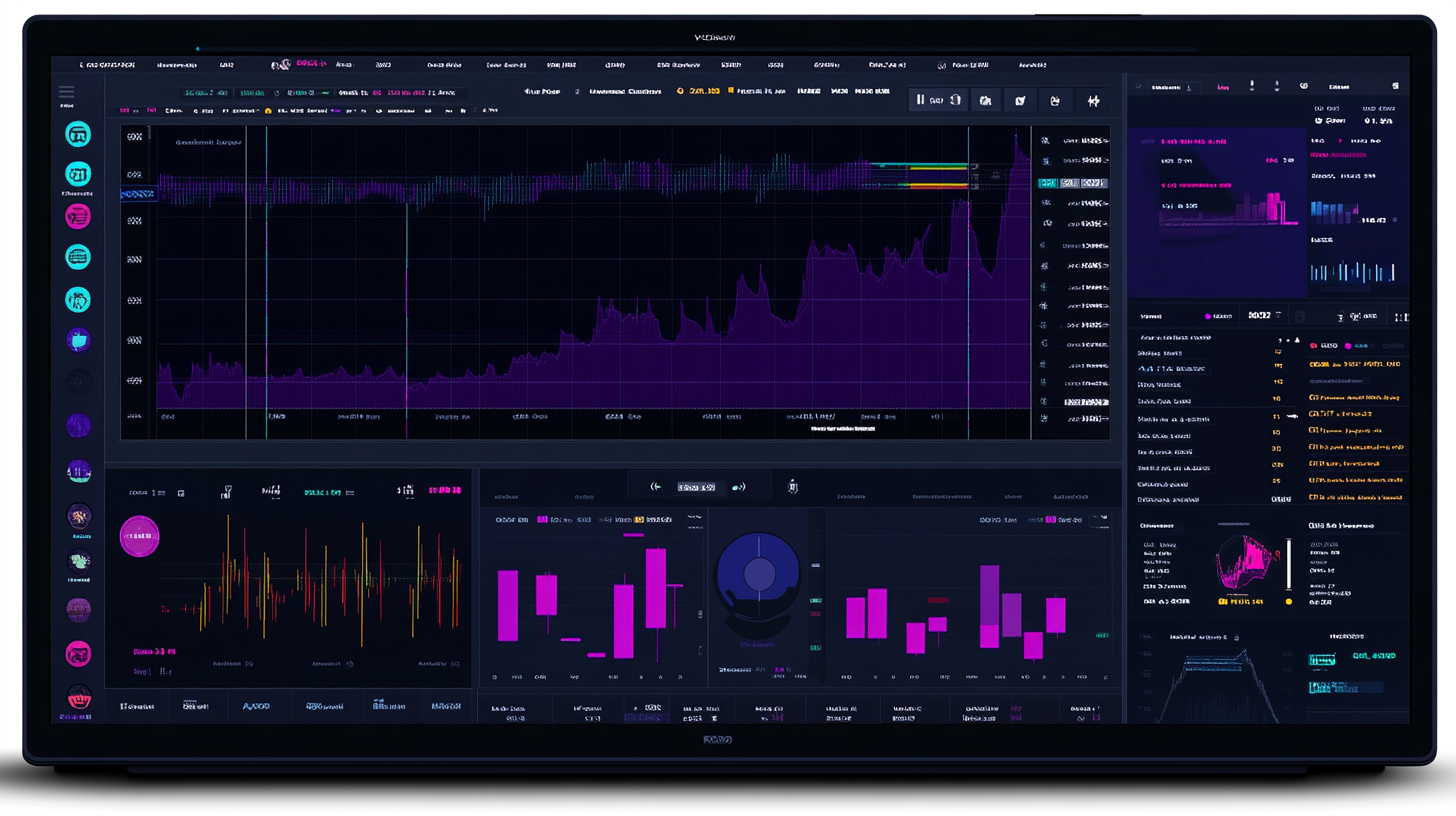
WebTrader is the center of gravity here: I kept it open through the NY overlap and saw stable quotes, fast chart refresh, and the expected toolkit—market/limit/stop orders, plus quick position management from the trade tab. Execution felt consistent on liquid FX during normal conditions; around a CPI headline, the fills showed a small amount of slippage rather than any “stuck order” behavior, which is what I want to see in a retail CFD environment. If you live inside MT4/MT5 plugin ecosystems, note that this platform stands on its own and doesn’t replicate that universe of third-party indicators and EAs.
Belmont Wealthstone App: Mobile Trading Experience
The Belmont Wealthstone app keeps the core loop tight: watchlists, real-time pricing, order placement, and position edits are all reachable within a couple of taps. My Belmont Wealthstone login stayed persistent using biometrics, and I could trigger deposits and withdrawals from the same navigation stack without hunting through menus. Push notifications for price levels worked reliably, though chart workspace is naturally compressed—fine for managing risk, less ideal for deep multi-timeframe analysis.
Charting, Tools & Research
Indicators covered the basics (MA, RSI, MACD, Bollinger), and drawing tools were enough for support/resistance and trend structure. The integrated economic calendar and news stream are helpful for avoiding “surprise volatility,” but they’re not a substitute for a dedicated research terminal. Alerts and customizable watchlists do the job; advanced quant workflows still belong in external tooling.
Belmont Wealthstone Account Opening & Minimum Deposit
After entering email, phone, and a few residency fields, the platform pushed me into an AML/KYC lane that felt standard for 2026: upload a government-issued ID and a proof of address dated within three months. Verification cleared the same business day on my account, and the dashboard immediately exposed account tiers and leverage settings before I funded. For anyone searching “Belmont Wealthstone minimum deposit,” the practical number to plan around is $200 if you want to trade live rather than stick to demo.
- Minimum Deposit: $200
- Funding Methods: Visa/Mastercard, bank wire, regional e-wallets, and cryptocurrencies (BTC, USDT)
- Demo Account: $10,000 virtual balance for rehearsal and platform familiarization
- Account Types: Standard (spread-only) and Raw/ECN-style (tighter spread + commission)
One small UX detail I liked: leverage and account currency choices were visible early, which reduces “oops, wrong base currency” mistakes. To double-check funding rails and the current onboarding flow, I revisited Belmont Wealthstone from a fresh browser session and saw the same KYC prompts before withdrawal access.
Belmont Wealthstone Customer Support Review
I tested support with a real trader question—where the swap/overnight rates are displayed and whether they differ by tier—and used live chat first. An agent answered in about three minutes, pointed me to the contract specs panel, and clarified that swaps can change with liquidity conditions and day-of-week conventions. I then emailed a follow-up about withdrawal batching times; the ticket reply landed later that day (roughly 9 hours) with a clear breakdown of internal processing (24–48 hours post-KYC) versus banking rails.
Coverage is aligned with the category: 24/5 availability during market days via live chat and email, with weekend response slowing down. Language support is region-dependent, and phone lines—if offered—tend to be limited by geography. Net: good enough for operational questions, not a white-glove trading desk.
Ready to Explore Belmont Wealthstone?
If you’re evaluating spreads and execution in real market conditions, start with a demo, then test a small live deposit to validate funding and withdrawal rails in your country. Treat it like a product trial: measure slippage, read the fee schedule, and confirm leverage limits before sizing up.
Belmont Wealthstone Review FAQ
Is Belmont Wealthstone good for beginners?
It can be, provided you respect leverage and start small. The WebTrader and mobile UI are learnable, and the $10,000 demo helps you practice order types without real money. Beginners should still assume CFDs are high-risk and use tight position sizing.
Can I trade crypto on Belmont Wealthstone?
Yes, crypto exposure is offered via CFDs such as BTC/USD and ETH/USD. You’re trading price movement rather than owning coins on-chain, so financing and weekend conditions can impact costs. For active traders, it’s more of a volatility instrument than a custody solution.
Is Belmont Wealthstone a scam?
No—based on my 2026 test, it behaved like a functioning offshore CFD broker, not a fake interface designed to block withdrawals. The “Belmont Wealthstone scam” concern usually comes down to expectations: offshore registration means fewer formal protections than Tier‑1 regulators. Always verify fees, leverage, and withdrawal requirements before scaling deposits.
Is Belmont Wealthstone available in the USA?
No, the USA is restricted. If you attempt signup from a US profile, location and KYC checks are likely to stop onboarding. US-based traders typically need a domestically authorized venue.
How long does a Belmont Wealthstone withdrawal take?
A Belmont Wealthstone withdrawal typically clears internal processing in 24–48 hours after KYC is approved. From there, receipt depends on the method: cards often take 2–5 business days, bank wires 3–7 business days, and crypto transfers can land the same day. Timing can stretch during banking holidays or extra compliance checks.
What is the Belmont Wealthstone minimum deposit?
The Belmont Wealthstone minimum deposit is $200 for a live account. That’s enough to test real spreads and execution, but it’s not enough to safely use high leverage with large position sizes. If you’re new, consider starting with demo first and keeping live risk tiny.
Does Belmont Wealthstone have a mobile app?
Yes, there’s a Belmont Wealthstone app for iOS and Android. It supports trading, charting, and account actions like deposits and withdrawals, with biometric login available on compatible devices. For heavy analysis, the larger WebTrader workspace still feels better.
Final Verdict: Should You Use Belmont Wealthstone in 2026?
Overall Score: 4.0/5
If your goal is fast access to liquid CFD markets with a usable WebTrader and a mobile-first workflow, Belmont Wealthstone checks the practical boxes—especially with the choice between spread-only and Raw/ECN-style pricing. My deposits, basic execution tests, and withdrawal cycle behaved predictably, which is the baseline you need before you even think about strategy. The limiting factor is structural: offshore registration can’t match Tier‑1 guardrails, so treat leverage like a power tool, not a feature to max out. For the full platform flow, see Belmont Wealthstone.
Best for: Active CFD traders who want majors/indices/gold/crypto exposure with flexible leverage and a clean app. Avoid if: You require Tier‑1 regulation, deep third-party platform ecosystems (MT4/MT5 EAs), or you’re prone to overleveraging.