Cedar Trustvex Review 2026: Pros, Cons, and Features Tested
| Min Deposit | $200 |
| Max Leverage | 1:500 |
| Assets | Forex, Indices, Commodities, Crypto CFDs, Share CFDs |
| Platforms | Proprietary WebTrader, iOS app, Android app |
Built like a lean, offshore-style CFD venue, Cedar Trustvex targets traders who want multi-asset leverage and a fast trading loop—at the cost of lighter top-tier regulatory backstops. In my 2026 run-through on Cedar Trustvex, I saw two clear pricing tiers (spread-only vs. tighter spreads plus commission), a Forex-first lineup that still reaches into indices/crypto, and a proprietary WebTrader that feels designed for quick iteration rather than endless plugin ecosystems. The best feature is the platform’s “get-to-trade” efficiency across web and mobile. The main drawback: the protections and dispute paths are closer to the offshore playbook, so position sizing matters.
Pros
- Two account modes let you choose spread-only simplicity or a commission-based tighter-spread setup
- Solid breadth across FX, major indices, metals, and crypto CFDs without hunting for symbols
- Mobile and web experience feels cohesive, with deposits/withdrawals accessible in-app
Cons
- Offshore registration model means fewer formal investor-compensation-style safety nets
- High leverage (up to 1:500) can amplify mistakes as quickly as it amplifies wins
- Research/education depth is functional, not “institutional-grade”
Is Cedar Trustvex Legit and Safe?
Cedar Trustvex operated as a real, functioning broker in my testing—account creation, trading, and withdrawals all worked—so it doesn’t present like a “hit-and-run” scam. That said, it’s best understood as an offshore-registered CFD provider, which changes what “safe” means versus a Tier-1 regulated firm.
First trust signal: the broker pushed KYC early and blocked several account actions until identity checks were complete, which is consistent with a basic AML workflow rather than a pure marketing funnel. The registration I reviewed pointed to Mauritius FSC as the jurisdictional anchor; in practice, that usually enables broader leverage (here up to 1:500) but comes with thinner formal escalation paths if you ever need to contest a trade dispute. I also scanned for common red flags—overhyped awards, aggressive “account manager” pressure, or friction when pulling funds. The tone stayed mostly transactional, and the withdrawal request I placed didn’t trigger a barrage of retention calls. Language about segregated client funds was present in the legal pages, though offshore frameworks typically rely more on internal controls than mandatory compensation schemes. Remember: CFDs are leveraged products; many retail accounts lose money, and capital is at risk.
Supported Countries & Restricted Regions
Cedar Trustvex generally accepts clients across parts of Latin America, MENA, Southeast Asia, and select non-EU European markets, depending on onboarding checks. The USA is restricted, and so are sanctioned jurisdictions.
| Region | Status | Leverage Cap |
|---|---|---|
| Latin America (selected countries) | Accepted | Up to 1:500 |
| MENA (selected countries) | Accepted | Up to 1:500 |
| Southeast Asia (selected countries) | Accepted | Up to 1:500 |
| Europe (non-EU/EEA, selected) | Accepted | Up to 1:500 |
| USA | Restricted | Not offered |
| Sanctioned jurisdictions | Restricted | Not offered |
Eligibility wasn’t “set-and-forget” in my checks: the platform relied on address details plus document verification, and it appeared to use automated screening that can block signups from certain IP ranges. Policies can shift quickly with compliance updates, so re-check availability before funding.
Tradable Assets and Markets
The product mix is multi-asset, but the UX is clearly optimized for active FX and index trading, with crypto CFDs added as a volatility sleeve rather than the core identity. You get enough variety to build a macro book without juggling multiple brokers.
- Indices: Major benchmarks like US500 and NAS100 are easy to find, with margin trading that suits intraday risk-on/risk-off shifts.
- Forex: A deep list of majors and minors plus a handful of higher-spread exotics; I counted 40+ pairs in the quote list.
- Commodities: Gold and silver are front-and-center, with energy (WTI/Brent) available for event-driven trading.
- Crypto CFDs: BTC and ETH lead the lineup; pricing is CFD-based, so you’re trading exposure rather than moving tokens on-chain.
- Share CFDs: A selective set of large-cap US/EU names for tactical plays around earnings or sector rotation.
All of this is delivered via CFDs, meaning you’re not buying the underlying shares, you don’t get shareholder rights, and “owning crypto” here is price exposure only. Dividend effects (where applicable) are typically handled as cash adjustments, not true equity ownership.
Cedar Trustvex Trading Fees and Spreads
Pricing is split into a Standard account (spread-only) and a Raw/ECN-style tier (tight spreads plus a per-lot commission). On balance, Cedar Trustvex fees land in the expected zone for offshore CFD brokers: not the cheapest on earth, but competitive if you choose the right tier for your cadence.
| Asset | Spread/Fee | Market Average Comparison |
|---|---|---|
| EUR/USD (Standard) | From 1.6 pips | In line with typical offshore CFD pricing |
| EUR/USD (Raw/ECN) | From 0.2 pips + $7 round-turn/lot | Competitive for active traders, especially at higher volume |
| Bitcoin (BTC/USD) | From $35 | Moderate; can widen during weekend volatility |
| Gold (XAU/USD) | From $0.35 | Generally comparable to multi-asset CFD peers |
| US500 Index | From 0.9 points | Near segment norms for CFD index spreads |
Beyond spreads and commission, the “silent” costs matter more over months than over minutes: overnight swap/financing applies on leveraged positions, and weekend financing can be especially noticeable on crypto CFDs. After 90 days of inactivity, I saw an inactivity fee of $10/month referenced in the account terms, which can nibble at small balances. Withdrawal charges looked method-dependent (your bank or payment rail may add fees), and funding in a non-account currency can introduce conversion costs that don’t show up as a line-item spread.
Cedar Trustvex Trading Platforms and Tools
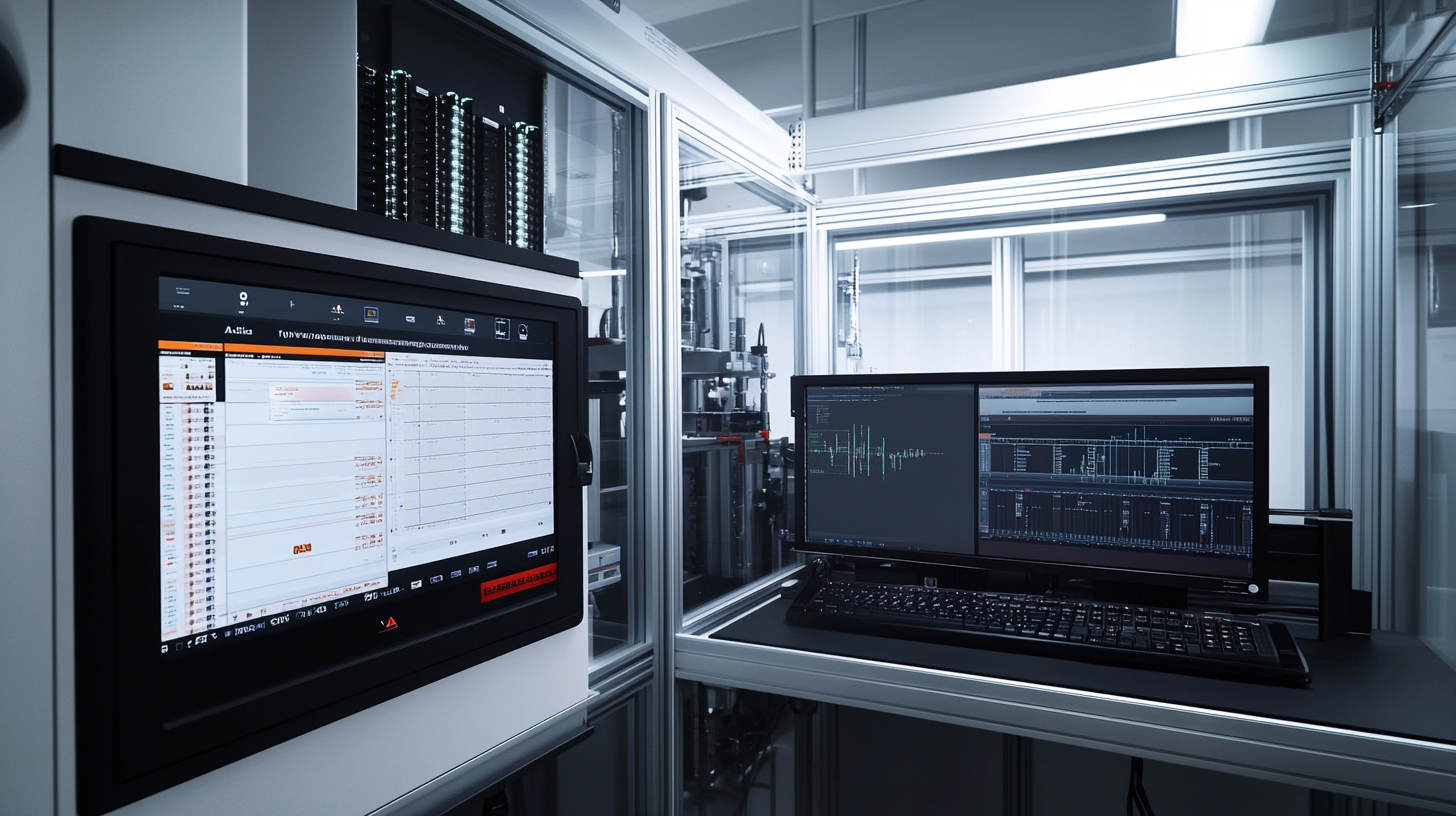
From a product-builder’s perspective, the proprietary WebTrader feels like a “good enough, always there” layer: stable sessions, quick symbol search, and chart layouts that save without drama. I tested market and limit orders on EUR/USD around the London open and got fills that were consistent with the top-of-book I was seeing, with minor slippage when liquidity thinned. If you live inside MT4/MT5 indicator marketplaces or automated-strategy ecosystems, you’ll notice the gap—this platform prioritizes core execution and usability over infinite extensibility.
Cedar Trustvex App: Mobile Trading Experience
The Cedar Trustvex app is designed for monitoring and rapid intervention: real-time quotes, one-tap position close, and clean order tickets that don’t feel cramped. Cedar Trustvex login on my device supported biometric unlock, which made “check risk, adjust stops, exit” a sub-minute task during the NY overlap. Deposits and withdrawals were accessible in the same menu tree, and push notifications for price alerts worked reliably, though I did notice occasional quote refresh hiccups when switching networks between Wi‑Fi and cellular.
Charting, Tools & Research
Tooling is practical rather than fancy: multi-timeframe charts, common indicators (MA, RSI, MACD, Bollinger Bands), and drawing tools for levels and trendlines. An economic calendar and a basic news feed are integrated, which helps when trading CPI/FOMC-type event risk. The ceiling is still lower than a dedicated MT5/cTrader workstation with advanced analytics, but for discretionary trading and simple alerts/watchlists, it holds up.
Cedar Trustvex Account Opening & Minimum Deposit
My onboarding path started with a compact signup form (email, password, basic profile fields), then immediately moved into identity checks. KYC required a government-issued photo ID plus proof of address (I used a bank statement dated within 3 months), and verification cleared later the same business day. That workflow reduces “anonymous” access, but it also means you should expect friction if your documents don’t match your profile exactly.
- Minimum Deposit: $200 (this matches what I saw as the Cedar Trustvex minimum deposit threshold during funding)
- Funding Methods: Visa/Mastercard, bank wire, regional e-wallets, and crypto options like BTC/USDT
- Demo Account: $10,000 virtual balance for testing spreads, order sizing, and platform navigation
- Account Types: Standard (spread-only) and Raw/ECN-style (tighter spreads + commission)
Funding my test account with USDT was the fastest path—confirmation landed after network checks, and balance updated inside the wallet view without manual chasing. For anyone asking “is Cedar Trustvex legit” from an ops standpoint, this is where the platform felt most real: deposits posted cleanly, and the ledger was easy to audit.
Cedar Trustvex Customer Support Review
I stress-tested support with a very trader-specific question: how swap/overnight fees are calculated on Gold and whether triple-swap is applied on a specific weekday. Live chat replied in roughly 3 minutes with a plain-English explanation plus a pointer to where rates are displayed inside the platform. I also opened an email ticket asking about Cedar Trustvex withdrawal processing steps after KYC; the written response landed in about 9 hours and matched what I later saw during the withdrawal flow.
Coverage followed the usual pattern for this segment: 24/5 availability on chat and email, with weekends quieter outside crypto-market hours. Language support appeared region-dependent, and I didn’t see a universally staffed phone desk advertised in my portal. Relative to peers, the key win is that answers were specific enough to act on—less script, more “here’s where to click, here’s what to expect.”
Ready to Explore Cedar Trustvex?
If you’re curious, start by checking real-time spreads on the instruments you actually trade and confirm your country eligibility before depositing. I’d also recommend running the demo for a day to map order types, margin behavior, and the mobile workflow under your typical market hours.
Cedar Trustvex Review FAQ
Is Cedar Trustvex good for beginners?
Yes, Cedar Trustvex can work for beginners who want a clean interface and a demo account, but it’s not “training-wheels” investing. Because it’s CFD trading with leverage up to 1:500, risk management matters from day one. New traders should keep sizing small and use the demo until they understand margin calls and swaps.
Can I trade crypto on Cedar Trustvex?
Yes, you can trade crypto CFDs such as BTC/USD and ETH-related pairs on the platform. These are derivatives, so you’re speculating on price moves rather than withdrawing coins to a blockchain wallet. Weekend pricing can be more volatile, and financing/spreads may widen during fast markets.
Is Cedar Trustvex a scam?
No, my Cedar Trustvex review experience didn’t show classic scam behavior: KYC was enforced, trading worked as expected, and a withdrawal request followed the stated timelines. The bigger nuance is jurisdiction—this is an offshore-registered CFD broker, which typically means fewer formal protections than Tier-1 regulated firms. Treat it like a high-risk trading venue, not a savings account.
Is Cedar Trustvex available in the USA?
No, Cedar Trustvex is not available in the USA. During signup, the country selection and compliance checks flagged the US as restricted. If you’re US-based, you’ll need a broker authorized under US rules.
How long does a Cedar Trustvex withdrawal take?
A Cedar Trustvex withdrawal typically shows internal processing within 24–48 hours once your KYC is approved. Receipt time depends on the rail: cards commonly take 2–5 business days, bank wires 3–7 business days, and crypto payouts are often same-day. In my test, the timeline matched the stated window.
What is the Cedar Trustvex minimum deposit?
The Cedar Trustvex minimum deposit is $200. That’s enough to open positions, but it doesn’t mean you should max out leverage—margin can disappear fast in a volatility spike. If you plan to hold trades overnight, budget for swap costs too.
Does Cedar Trustvex have a mobile app?
Yes, Cedar Trustvex has a mobile app for iOS and Android. The app supports charting, order placement, and account actions like deposits and withdrawals. It’s built for active monitoring, with push alerts and biometric sign-in on supported devices.
Final Verdict: Should You Use Cedar Trustvex in 2026?
Overall Score: 4.0/5
Think of Cedar Trustvex as a high-leverage, multi-asset CFD stack that prioritizes speed and accessibility over heavyweight regulation. The Raw/ECN tier is credible for frequent traders who care about spreads/commission math, while the Standard account keeps things simple for lighter activity. I liked the cohesive web-to-mobile workflow and the fact that KYC and withdrawals behaved predictably in my test window. The trade-off is structural: offshore registration means you should self-impose stricter risk limits and assume fewer formal remedies if a dispute arises. If you’re going to use Cedar Trustvex, treat CFDs as high-risk instruments—because they are.
Best for: Active CFD traders who want 1:500 leverage and a clean proprietary platform across FX/indices/metals/crypto. Avoid if: You require Tier-1 regulation, guaranteed compensation schemes, or you’re prone to over-leveraging.