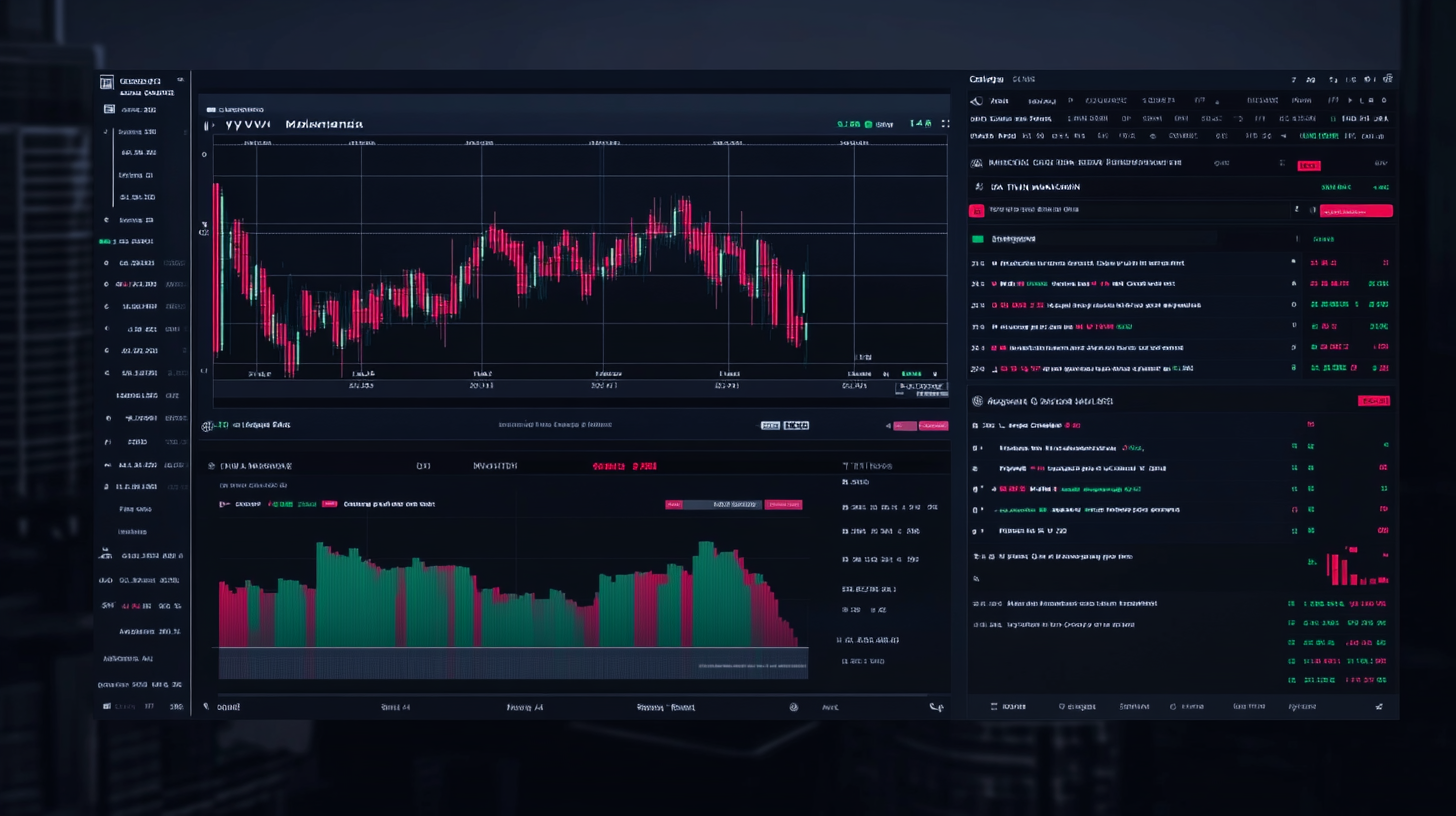
Cedar Trustvex Trading Platform Alternatives 2026: Reliable Options for Online Traders
Leverage can feel like a cheat code—right up until it isn’t. That’s why I treat any CFD-first platform as a systems decision: execution quality, fee transparency, and regulator backstops matter more than a flashy dashboard. Cedar Trustvex sits in the offshore/off-regulated corner of the market (commonly associated with frameworks like the Seychelles FSA), typically offering forex and CFD trading through a proprietary WebTrader plus mobile apps. If that sounds familiar, it’s because this “web + app + high leverage” blueprint shows up again and again in brokers targeting fast onboarding and global reach—often with the U.S. carved out.
For many traders, the problem isn’t that offshore platforms can’t work; it’s that the risk envelope is different. High leverage (often marketed up to 1:500) compresses margin for error. A “from ~2.0 pips” EUR/USD spread on a standard-style account can quietly dominate your P&L if you trade frequently. And if you’re building a repeatable strategy—manual or algorithmic—limitations around execution model, order controls, and reporting can become the bottleneck. This guide to Cedar Trustvex and Cedar Trustvex alternatives is designed for a global audience (US/EU focus) that wants stronger guardrails: tier-1 regulation, clearer disclosures, broader markets, and platforms that scale from casual to pro.
Disclaimer: This article is for informational purposes only and does not constitute investment advice. CFDs and other leveraged products carry a high risk of loss and may not be suitable for all investors.
Key Takeaways (TL;DR)
- If you need real stocks/ETFs (not just CFDs), start with a multi-asset venue like Interactive Brokers or Saxo Bank.
- For active FX/CFD trading, compare “round-turn” trading cost (spread + commission + slippage), not headline leverage.
- Run your migration like a deployment: KYC the new account first, export trade/tax history, then withdraw using the same funding rail where possible.
What Is Cedar Trustvex and How Does Its Trading Platform Work?
Across platforms like Cedar Trustvex, the core proposition is straightforward: a CFD-focused account, a browser-based trading terminal, and mobile access designed for quick execution and monitoring. Based on typical disclosures and what’s commonly observed for offshore providers, Cedar Trustvex is generally positioned around forex and CFDs (often including indices, commodities, and crypto CFDs), with higher-than-EU leverage ceilings (commonly up to 1:500). The audience tends to be retail traders who want simple onboarding, smaller initial funding, and a single place to trade multiple CFD instruments without needing a separate equities account.
Cedar Trustvex Web Trading Platform: Core Features and Tools
The proprietary WebTrader experience usually prioritizes speed to first trade: watchlists, basic-to-mid charting, and an account dashboard that makes deposits/withdrawals and margin metrics easy to find. Charting is typically serviceable rather than institutional—enough indicators and drawing tools for discretionary setups, but not the deep scripting ecosystem you get on MT4/MT5 or cTrader. Order controls often include market and limit orders plus stop-loss/take-profit; advanced order logic (like OCO brackets or sophisticated conditional orders) may be thinner. Mobile parity is a plus—iOS/Android apps commonly mirror the essentials—yet serious traders still care about the “last mile”: fills under volatility, slippage behavior, and the clarity of execution reports.
Trading Fees, Spreads, and Account Types at Cedar Trustvex
Cost structure is where many competitors to Cedar Trustvex win on transparency. A typical standard-style FX spread for EUR/USD in this category is often around “from ~2.0 pips,” with wider effective costs during news or illiquid sessions. Some brokers in this segment advertise a tighter/raw tier (often ~0.0–0.4 pips) paired with a commission in the neighborhood of $6–$7 round-turn, though the real comparison should include average spreads, not just “from” numbers. Beyond spreads, traders should factor swap/overnight financing (especially for multi-day holds), potential withdrawal charges depending on method, and any inactivity policies that can nibble at smaller accounts over time.
When Do Traders Start Looking for Cedar Trustvex Alternatives?
Strategy stress-tests platforms. When you scale trade frequency, tighten stop distances, or automate execution, friction shows up fast—sometimes as cost drift (spread + slippage), sometimes as tooling constraints, sometimes as risk controls that don’t match your jurisdiction. In practice, Cedar Trustvex alternatives become most relevant when you want stronger regulatory cover, more predictable execution, or access to markets beyond a CFD wrapper. And if your capital stack includes long-term investing alongside short-term trading, a single CFD-first account can start to feel like the wrong container for the job.
- You want an investor-protection framework (for example, FCA oversight with FSCS coverage up to £85,000 where applicable) rather than an offshore regime.
- Your system depends on MT4/MT5 or cTrader (EAs, custom indicators, or better order management) and the current WebTrader toolkit can’t keep up.
- You’re paying the “invisible tax” of wider effective spreads—e.g., EUR/USD hovering near ~2.0 pips—on high turnover months.
- You need real shares/ETFs for longer-duration exposure (shareholder rights, lending, tax lots), not stock CFDs that expire into financing costs.
- You’re encountering repeated withdrawal friction (extra verification loops, method restrictions), which is a governance red flag even when funds eventually arrive.
How to Choose a Reliable Alternative to the Cedar Trustvex Trading Platform
I think of broker selection like picking cloud infrastructure: you’re buying uptime, controls, and trust boundaries—not just an interface. For alternatives to the Cedar Trustvex trading platform, map your strategy to constraints first (jurisdiction, leverage limits, asset needs), then compare execution, fees, and protections with the same discipline you’d use for a production system.
Regulation, Safety, and Investor Protection
Start with who regulates the entity you’ll actually onboard with: FCA (UK), ASIC (Australia), CySEC (EU), and NFA/CFTC (US) each impose different conduct rules. Stronger regimes often require segregated client funds and tighter marketing/appropriateness standards. In the UK, eligible clients may have FSCS coverage up to £85,000 if a firm fails; in Cyprus, the ICF can cover up to €20,000 under qualifying conditions. Those safety nets aren’t a trading edge, but they materially change worst-case outcomes.
Available Markets and Instruments
Ask a blunt question: do you need CFDs only, or do you want real ownership? Many brokers similar to Cedar Trustvex concentrate on FX and index/commodity CFDs; that’s fine for short-term macro trades. If your playbook also includes equities/ETFs, options, or futures, you’ll want a multi-asset broker with direct market access (DMA) or exchange routing. Mixing “investing” and “high-leverage trading” in one account can also complicate risk and tax reporting, so separation can be a feature.
Trading Costs: Spreads, Commissions, and Other Fees
Ignore vanity metrics and compute round-turn cost-of-trade: spread + commission + likely slippage. For example, a raw account with ~0.1–0.3 pip spreads plus a clear commission can be cheaper than a “commission-free” account that carries 1.0–1.6 pips on average. Add swap/overnight financing for holds, and watch for non-trading fees (inactivity, deposit/withdrawal charges). Cost is strategy-dependent: scalpers feel spreads immediately; swing traders feel swaps.
Platforms, Tools, and Execution Quality
Your platform stack defines what you can build. MT4/MT5 and cTrader support deeper automation and ecosystem tooling than a typical WebTrader, while proprietary platforms can shine on usability and integrated research. Execution model matters too: market maker setups can be fine, but you need transparent policies around slippage and order handling; STP/ECN/DMA routing is often preferred by traders who measure latency and fills. If you’re comparing Cedar Trustvex against regulated options, ask for execution reporting that goes beyond marketing.
Support, Education, and Overall User Experience
Good support is less about friendliness and more about response time under stress—margin calls, platform outages, or withdrawal questions don’t wait. Check coverage hours that match your trading session, language availability, and whether the broker offers platform training that’s actually actionable (order types, risk tools, margin mechanics). Mobile parity matters for risk management: the ability to reduce exposure, add stops, and monitor margin from a phone is non-negotiable for many active traders.
Cedar Trustvex and Different Asset Classes: When Alternatives May Be Better
Cedar Trustvex Forex and CFD Trading
FX and broad-market CFDs are typically the center of gravity for Cedar Trustvex-style offerings: think ~30–50 forex pairs, ~8–15 indices, and a small shelf of commodities. The leverage headline (often up to 1:500) can look attractive, but leverage is just sensitivity; execution and costs decide whether that sensitivity becomes opportunity or noise. If EUR/USD is effectively around ~2.0 pips on a standard tier, high-frequency strategies bleed quickly. Regulated specialists like Pepperstone or IC Markets are often built for this lane: multiple platforms (MT4/MT5/cTrader), clearer commission schedules on raw accounts, and a tighter focus on execution quality for active traders. In volatile moments, slippage policies and how stops are handled become more important than a few extra instruments.
Cedar Trustvex Stock and ETF Trading
This is where the architecture gap usually shows. Many offshore CFD brokers offer “stocks” mainly as CFDs—synthetic exposure with financing costs, no shareholder rights, and no ability to transfer positions to another custodian. If you’re trying to compound on AI/tech themes over years (my default bias), real equities and ETFs are the cleaner substrate. Interactive Brokers is the obvious heavy hitter here: global equities, ETFs, options, futures, and FX under major regulators, with routing and reporting that feels institutional. Saxo Bank also plays well for multi-asset investors who want a polished experience across listed products. For traders who still want tactical equity CFDs, some regulated CFD brokers offer them—just be clear about what you’re buying.
Cedar Trustvex Crypto Trading
Crypto on CFD platforms is usually “price exposure,” not coin ownership. That means no on-chain withdrawal, no self-custody, and no participation in network mechanics—just a leveraged derivative that can carry wider spreads and weekend gapping risk. Cedar Trustvex-type menus often include ~10–30 crypto CFDs, which can be fine for short-duration positioning, but it’s a different product than spot. If your goal is regulated derivative exposure, IG and Plus500 are common choices in jurisdictions where they offer crypto CFDs, with clearer risk warnings and oversight. If you’re trying to hold assets long term, you may prefer a regulated exchange or custodian route—separate from your CFD broker—so your investment and trading risk don’t share the same failure mode.
Best Cedar Trustvex Alternatives for 2026: Comparison of Top Trading Platforms
Interactive Brokers (IBKR): Key Facts and How It Compares to Cedar Trustvex
Regulation: SEC/FINRA (US), FCA (UK), IIROC (Canada)
Markets: Stocks, ETFs, options, futures, bonds, FX
Fees: FX pricing typically spread + commission (varies by venue/route); equity commissions depend on plan and market
Platform: Trader Workstation (TWS), IBKR Desktop, Client Portal, mobile app, APIs
Best For: Multi-asset investors who want real market access
Pepperstone: Key Facts and How It Compares to Cedar Trustvex
Regulation: FCA (UK), ASIC (Australia), CySEC (EU), DFSA (Dubai)
Markets: FX and CFDs (indices, commodities, some crypto CFDs where permitted)
Fees: Raw-style accounts often pair ~0.0–0.3 pip spreads with a per-trade commission; standard accounts typically wider (~1.0+ pip range)
Platform: MT4, MT5, cTrader, TradingView (availability varies by region)
Best For: Active FX traders optimizing spread + execution
Saxo Bank: Key Facts and How It Compares to Cedar Trustvex
Regulation: FCA (UK), MAS (Singapore), DFSA (Dubai)
Markets: Stocks, ETFs, bonds, options, futures, FX, CFDs
Fees: Tiered pricing by product and activity; FX spreads vary by account level, with tighter pricing for higher tiers
Platform: SaxoTraderGO, SaxoTraderPRO
Best For: Global portfolio builders who still trade tactically
IG: Key Facts and How It Compares to Cedar Trustvex
Regulation: FCA (UK), ASIC (Australia), MAS (Singapore)
Markets: CFDs (FX, indices, commodities, shares), spread betting (UK/IE), some crypto CFDs where permitted
Fees: Costs typically embedded in spread for many CFD markets; FX spreads commonly from ~0.6+ pips depending on pair and conditions
Platform: IG web platform, mobile app, MT4 (region-dependent)
Best For: Macro traders who want broad CFD coverage
IC Markets: Key Facts and How It Compares to Cedar Trustvex
Regulation: ASIC (Australia), CySEC (EU), FSA (Seychelles) (group-level)
Markets: FX and CFDs (indices, commodities, some crypto CFDs where allowed)
Fees: Raw accounts often advertise very tight spreads (~0.0–0.2 pips typical on liquid sessions) plus commission; standard accounts wider (~1.0+ pip range)
Platform: MT4, MT5, cTrader
Best For: Algorithmic traders running EAs and high-frequency setups
Plus500: Key Facts and How It Compares to Cedar Trustvex
Regulation: FCA (UK), CySEC (EU), ASIC (Australia), MAS (Singapore)
Markets: CFDs (FX, indices, commodities, shares), limited crypto CFDs where permitted
Fees: Spread-based pricing; costs vary by instrument and volatility, with no separate dealing commission on many markets
Platform: Plus500 proprietary web platform and mobile app
Best For: Beginners who prefer a clean, app-first CFD workflow
Comparison Summary
| Platform | Regulation | Main Markets | Typical Costs | Best For |
|---|---|---|---|---|
| Interactive Brokers (IBKR) | SEC/FINRA, FCA, IIROC | Real stocks/ETFs, options, futures, bonds, FX | FX spread + commission (varies); equities per-plan pricing | Multi-asset investors who want real market access |
| Pepperstone | FCA, ASIC, CySEC, DFSA | FX + CFDs | Raw: ~0.0–0.3 pips + commission; Standard: ~1.0+ pips | Active FX traders optimizing spread + execution |
| Saxo Bank | FCA, MAS, DFSA | Stocks/ETFs, options, futures, FX, CFDs | Tiered by product/account; tighter at higher tiers | Global portfolio builders who still trade tactically |
| IG | FCA, ASIC, MAS | CFDs across FX/indices/commodities/shares | Mostly spread-based; FX often from ~0.6+ pips | Macro traders who want broad CFD coverage |
| IC Markets | ASIC, CySEC, FSA (Seychelles) (group-level) | FX + CFDs | Raw: ~0.0–0.2 pips + commission; Standard: ~1.0+ pips | Algorithmic traders running EAs and high-frequency setups |
| Plus500 | FCA, CySEC, ASIC, MAS | CFDs (FX, indices, commodities, shares) | Spread-based; instrument-dependent | Beginners who prefer a clean, app-first CFD workflow |
How to Safely Move from Cedar Trustvex to Another Broker
Switching brokers is operational risk, not just a preference change. Treat it like migrating a critical service: verify the new endpoint, stage the rollout, then deprecate the old account. Margin products amplify small mistakes—closing the wrong position or misreading contract specs can turn into real losses—so slow down and execute a clean checklist. If you’re moving off Cedar Trustvex, assume positions won’t transfer and plan for re-entry risk.
- Confirm the new broker’s authorization on the regulator’s public database (FCA Register, ASIC Connect, CySEC register, or NFA BASIC) and make sure the legal entity matches your onboarding documents.
- Open the new account and complete KYC/AML early (government ID + proof of address); approvals often clear quickly, but delays happen at the worst times.
- Review product specs on the new platform—contract size, margin rate, swap rules—so your position sizing doesn’t change unintentionally after you move.
- Flatten or reduce open exposure on the old account first; if you still want the trade, recreate it on the new broker rather than assuming any “transfer” mechanism exists.
- Withdraw funds using the same payment rail used for deposits when possible; many brokers enforce this for anti-money-laundering controls.
- Export statements, trade history, and funding records before you stop using the old account; it’s painful to chase tax documentation after access gets limited.
Ready to Explore Cedar Trustvex?
If you’re still evaluating, check current onboarding rules, regional eligibility, and the exact product set you’ll get under your local entity. Then compare it against the regulated options above using the same yardsticks: execution, total trading cost, and investor protections—not just leverage and a marketing spread.
FAQ: Cedar Trustvex Alternatives and Trading Platforms
What is the best alternative to Cedar Trustvex in 2026?
The best alternative depends on whether you’re trading CFDs only or building a true multi-asset portfolio. For real stocks/ETFs and institutional-grade routing, Interactive Brokers is hard to beat; for FX-focused execution and tight raw pricing, Pepperstone or IC Markets are often better fits. In other words, “best Cedar Trustvex alternatives 2026” isn’t one platform—it’s a short list mapped to your strategy.
Is Cedar Trustvex a safe broker/platform?
Cedar Trustvex is typically associated with an offshore regulatory setup (commonly in the Seychelles FSA category), which generally provides fewer investor-protection layers than FCA/ASIC/CySEC/NFA-regulated firms. That doesn’t automatically mean you can’t trade, but it does mean you should assume weaker compensation schemes and less robust dispute mechanisms. If safety is your primary constraint, prioritize regulated options vs Cedar Trustvex and verify the entity on the regulator’s register.
Can I trade stocks, futures, or crypto with Cedar Trustvex?
Cedar Trustvex-style platforms usually focus on forex and CFDs, and “stocks” are often offered as stock CFDs rather than real shares. Futures are more commonly found at multi-asset brokers like Interactive Brokers or Saxo Bank than at offshore CFD-first venues. Crypto exposure, when available, is typically via crypto CFDs (price exposure only), not on-chain ownership.
What should I check before switching from Cedar Trustvex to another platform?
Before switching, verify regulation (entity + license number), then compare total cost-of-trade (average spread, commission, and swap) against your strategy’s holding period. Next, confirm platform fit—MT4/MT5/cTrader availability, order types, and execution policies on slippage and stop handling. Finally, make sure your funding/withdrawal method works cleanly under AML rules so your migration doesn’t get stuck mid-transfer.
About the Author: Michael Chang is a Stanford-trained CS + MBA investor based in Silicon Valley, obsessed with how systems behave under stress—markets included. He covers trading platforms like a product analyst: incentives, failure modes, and the practical details that determine whether a strategy survives contact with volatility.