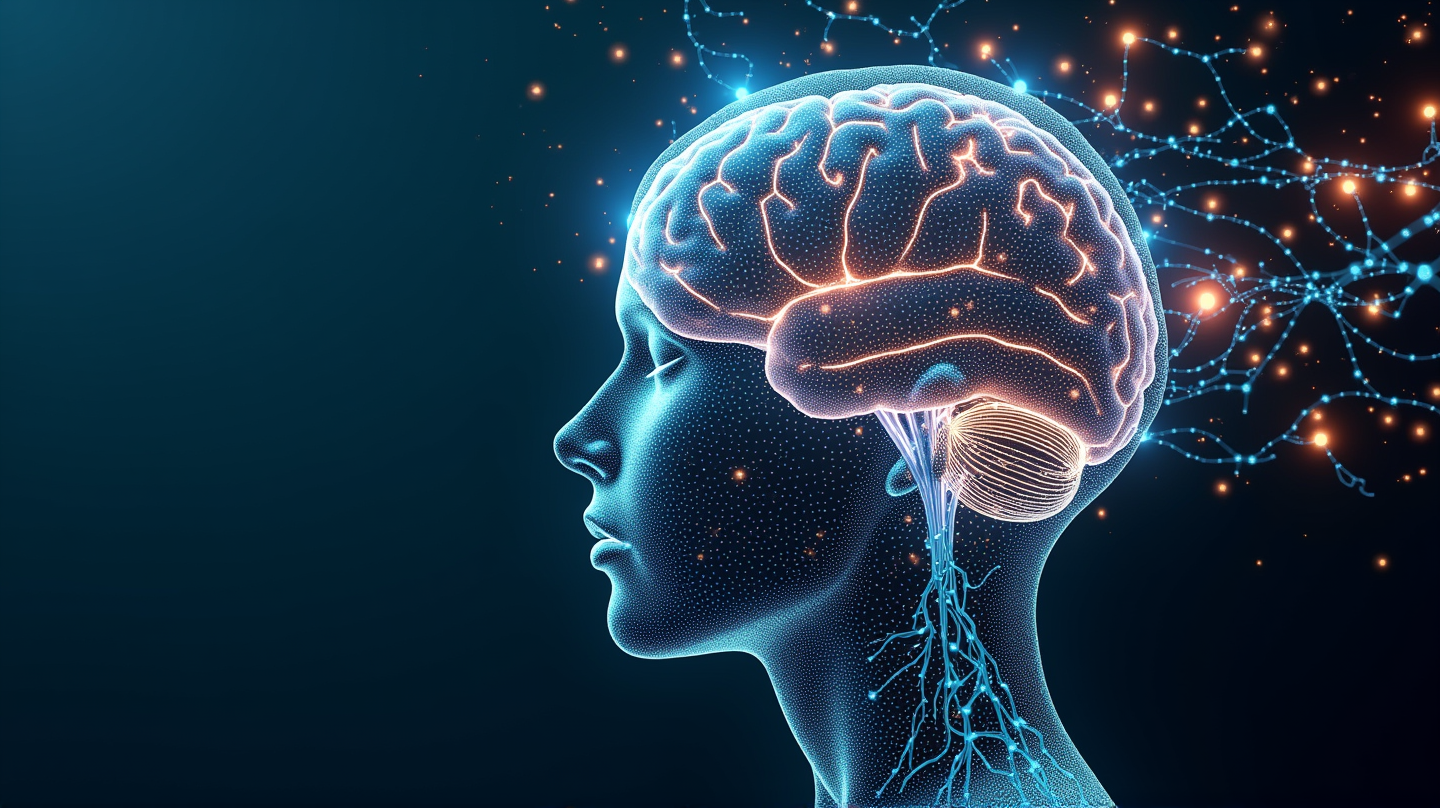
In the world of neuroscience and psychology, the quest for understanding human cognition has reached an unprecedented milestone with the development of a sophisticated computer simulation known as Centaur. This “digital brain” promises to change the landscape of scientific experimentation, allowing researchers to simulate scenarios that are otherwise ethically or logistically impossible with human subjects. According to BBC Science Focus Magazine, Centaur represents a significant leap forward in cognitive modeling.
Building the Digital Brain
Hailing from the Institute for Human-Centred AI at the Helmholtz Centre in Germany, Centaur is the product of collaboration among 40 researchers from across the globe. The project’s foundation lies in leveraging large language models, similar to the famous ChatGPT, to mimic human language and cognition. These models have been trained using a vast dataset known as Psych-101, encompassing millions of human choices from psychology experiments.
The research team meticulously fine-tuned Centaur to behave like participants in psychological studies, crafting a model that can potentially unlock the mysteries of human thoughts and behaviors.
Potential Applications of Centaur
Centaur’s capabilities extend beyond mere simulation. Dr. Marcel Binz, one of the leading researchers, envisions Centaur as a prediction tool to simulate human behavior in ethically challenging experiments, such as those involving children or mental health impact assessments. By integrating processes like memory, reasoning, and learning, Centaur moves closer to mimicking genuine human cognitive functions.
Despite its current limitations, Centaur serves as a pioneering step, with aspirations to incorporate more complex mechanisms corresponding to the intricacies of the human mind.
Controversies and Criticisms
Despite the promising potential of Centaur, skepticism remains. Critics like Dr. Samuel Forbes argue that a machine mimicking human responses doesn’t equate to understanding the underlying cognitive processes. Others, like Dr. Di Fu, caution against the possible misuse of such technology for manipulative purposes outside scientific realms.
However, the Centaur model continues to intrigue the scientific community, offering a unique window into human cognition that traditional neuroscience struggles to achieve.
Taming the Complexity of the Brain
While Centaur’s complexity is both its strength and its Achilles heel, Dr. Binz believes that the sheer detailed control available in a computational model is invaluable. Unlike neuroscience, where precise brain activity measurements are challenging, Centaur allows scientists to track every detail of its processes.
The journey with Centaur is just beginning, and as machine learning technology evolves, so does the potential to integrate more aspects of human cognition into these digital brain models.
As scientists tread carefully on this innovative path, Centaur stands as a testament to the dynamic possibilities that lie ahead in understanding and simulating the human brain.