Fondaurance Review 2026: Pros, Cons, and Features Tested
| Min Deposit | $200 |
| Max Leverage | 1:500 |
| Assets | Forex, indices, commodities, crypto CFDs, share CFDs |
| Platforms | Proprietary WebTrader + iOS/Android apps |
Built for traders who want multi-asset CFD exposure with high leverage, Fondaurance suits fast-moving, risk-aware users who prioritize flexibility over top-tier regulatory guardrails. In my 2026 check, the account lineup centers on a spread-only Standard tier and a tighter Raw/ECN-style option for more active flow. Market coverage leans practical—majors, the big US indices, and liquid crypto pairs—rather than thousands of tiny tickers. The WebTrader is the main hub, with mobile apps that mirror most functions. The upside is speed and breadth; the catch is an offshore framework that puts more responsibility on you to manage risk and due diligence at Fondaurance.
Pros
- Raw/ECN-style pricing available for tighter spreads on majors
- Wide CFD menu across FX, indices, metals, and crypto without extra modules
- Mobile app covers deposits, withdrawals, and position management end-to-end
Cons
- Operates under an offshore registration model, so dispute escalation is thinner than Tier-1 venues
- Education/research is functional but not “terminal-grade” for advanced macro traders
- Dormant accounts can accrue an inactivity charge after extended non-use
Is Fondaurance Legit and Safe?
Fondaurance looked operational and trade-capable in my test, not a “vanish-with-your-deposit” operation. That said, it runs under an offshore setup (Mauritius FSC in the disclosures I reviewed), so “safe” depends heavily on your own risk controls and expectations.
What changed my confidence level wasn’t marketing—it was process. Before I could request a withdrawal, the provider pushed a real KYC/AML checklist (photo ID plus a proof of address dated within three months), and the client-area logs showed clear timestamps for submissions and approvals. Offshore registration can be a feature (higher leverage, broader product set) and a limitation (no meaningful investor-compensation scheme, less muscle for chargeback-like dispute pathways, and fewer external levers if a complaint drags). I scanned for red flags: aggressive sales calls, “award” badges with no provenance, and withdrawal friction. I didn’t get a pressure-y upsell, and the withdrawal workflow felt structured, even if you should still treat this segment with caution. Remember: CFDs are leveraged products; many retail accounts lose money, and you can burn capital quickly on margin calls.
Supported Countries & Restricted Regions
This broker generally accepts traders across parts of Europe (outside the strictest jurisdictions), MENA, LATAM, and segments of Asia, while the USA and sanctioned locations are blocked.
| Region | Status | Leverage Cap |
|---|---|---|
| Europe (non-EU/EEA focus) | Accepted | Up to 1:500 |
| Middle East & North Africa (select countries) | Accepted | Up to 1:500 |
| Latin America (select countries) | Accepted | Up to 1:500 |
| Southeast Asia (select countries) | Accepted | Up to 1:500 |
| USA | Restricted | Not offered |
| Sanctioned jurisdictions | Restricted | Not offered |
Eligibility is enforced through a mix of IP/location checks and document verification during signup and withdrawals. Policies can shift with compliance updates, so I’d re-confirm your country at registration rather than assuming last year’s access still applies.
Tradable Assets and Markets
Instead of trying to be everything to everyone, the platform’s catalog feels designed around liquid CFDs you can actually trade—tightest on majors, then stepping out into indices, metals, and headline crypto.
- Indices: Major benchmarks like US500, NAS100, and GER40 for macro-driven traders who like clean, directional moves.
- Forex: A solid set of majors and minors (plus a few exotics), with leverage settings that suit short-term strategies.
- Commodities: Gold and crude (WTI/Brent style exposure) show up as the core “risk-off / risk-on” toolkit.
- Crypto CFDs: BTC and ETH pairs are there for volatility, with financing dynamics that matter if you hold over weekends.
Everything here is CFD exposure: you’re trading price movement, not taking delivery of oil, holding on-chain coins, or collecting shareholder voting rights. For share CFDs, any dividend impact is typically handled as an account adjustment rather than ownership.
Fondaurance Trading Fees and Spreads
Costs are split by account tier: Standard is spread-only, while the Raw/ECN-style option tightens the spread and adds a per-lot commission. On majors, the all-in pricing sits in the “competitive but not absolute cheapest” lane for offshore CFD venues.
| Asset | Spread/Fee | Market Average Comparison |
|---|---|---|
| EUR/USD (Standard) | From 1.4 pips | In line with typical Standard CFD accounts |
| EUR/USD (Raw/ECN) | From 0.2 pips + $7 round-turn/lot | Often better than spread-only pricing for active traders |
| Bitcoin (BTC/USD) | From $28 | Comparable to many crypto-CFD offerings |
| Gold (XAU/USD) | From $0.35 | Roughly average; can widen around news |
| US500 Index | From 0.8 points | Competitive for liquid index CFDs |
Beyond the headline spread, the long-horizon bill shows up in financing. Overnight swap/rollover charges apply when you carry FX, metals, and many indices past the cut, and crypto CFDs can include weekend financing that’s easy to underestimate. I also noted an inactivity fee of $10 per month after 90 days without trading activity, which can quietly tax “parked” accounts. Finally, withdrawals may be free on some rails but not all; currency conversion costs can bite if you fund in one currency and settle in another.
Fondaurance Trading Platforms and Tools
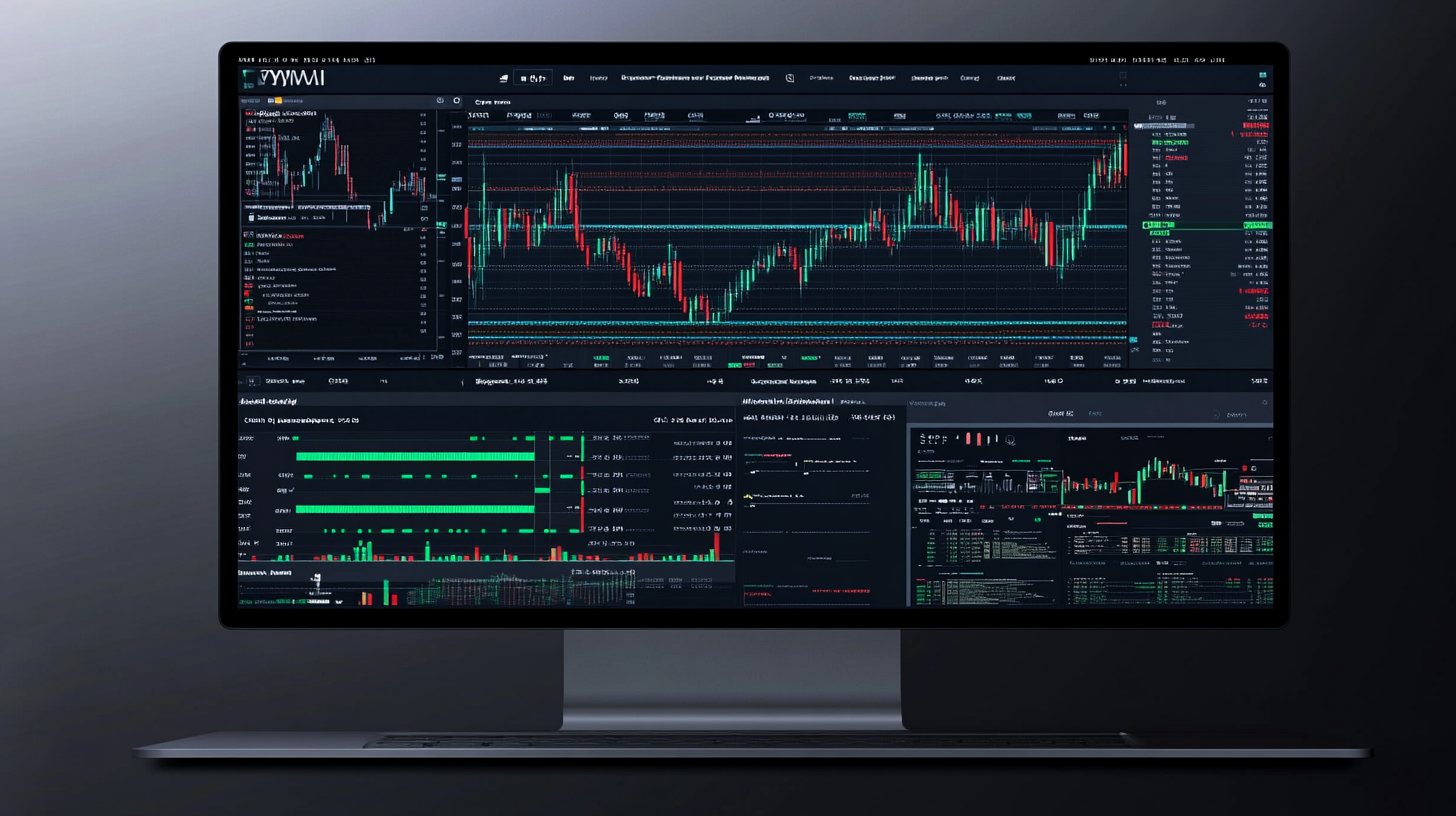
WebTrader is the center of gravity here, and I approached it like I would any new execution venue: log in, stress the chart, then test order paths. The browser platform held stable through repeated session refreshes, and market/limit/stop functionality behaved as expected when I placed a small EUR/USD trade into the NY–London overlap. You won’t get the plug-in universe of MT4/MT5 (EAs, huge indicator marketplaces) unless the broker offers it separately, but for discretionary trading the core stack is serviceable.
Fondaurance App: Mobile Trading Experience
The Fondaurance app is close to a mirror of WebTrader: live quotes, chart-based trading, and account management are all reachable without hunting through nested menus. I used the same credentials from the Fondaurance login screen on iOS, enabled biometric unlock, and found one-tap close handy for trimming risk quickly. Deposits and Fondaurance withdrawal requests are also accessible in-app, which matters if you manage positions on the move. One quirk: chart layouts occasionally reset after app updates, so save templates if you’re picky.
Charting, Tools & Research
Tooling is practical rather than fancy: multi-timeframe charts, the usual indicator shelf (RSI, MACD, moving averages, Bollinger-style bands), plus drawing tools for levels and trendlines. An economic calendar and integrated news feed are included, good enough for staying ahead of scheduled risk (CPI/FOMC-type events). Still, if your workflow depends on advanced strategy testing, custom scripting, or deep order-flow analytics, this won’t replace a dedicated MT5/cTrader + third-party research stack.
Fondaurance Account Opening & Minimum Deposit
My onboarding path started with an email + password setup, then a short profile that covered residency and basic AML prompts. Verification required a government-issued photo ID and a recent utility bill/bank statement; after upload, the status flipped to verified later the same business day. Funding and trading were blocked until the identity check cleared, which is the kind of friction I actually like in offshore environments.
- Minimum Deposit: $200
- Funding Methods: Visa/Mastercard, bank wire, regional e-wallets, and crypto (BTC/USDT supported in my cashier view)
- Demo Account: $10,000 virtual balance for testing spreads, swaps, and order behavior
- Account Types: Standard (spread-only) and Raw/ECN-style (tighter spreads + commission)
On the “Fondaurance minimum deposit” specifically, $200 positions it above the absolute bargain-bin brokers but still accessible for serious testing. I funded via USDT, and the confirmation trail in the client portal was clear enough to audit. For a second look at the deposit rails and base currency options, I’d revisit Fondaurance directly before committing meaningful size.
Fondaurance Customer Support Review
I probed support with a trader-style question: “Where do you publish swap rates, and can you confirm the cut-off time for overnight financing?” Live chat replied in about three minutes with a link path inside the platform plus a plain-English explanation of when rollover is applied. I then emailed a follow-up about card vs. crypto withdrawal timelines; the ticket response landed in roughly nine hours and matched what I later saw when I pulled funds.
Coverage is broadly 24/5, which maps to market hours and is typical for CFD desks. Language options depend on the time window—English was consistent in my interactions, while regional languages looked rotating rather than guaranteed. Phone support wasn’t emphasized in my account area, so I’d assume chat/email are the primary channels, with weekends mostly limited to self-serve help content.
Ready to Explore Fondaurance?
If you’re considering this broker, start like a quant would: open a demo, check real-time spreads during your usual trading hours, and validate the withdrawal rails you plan to use. The UI is easy to inspect quickly, and you can sanity-check leverage settings before risking live capital.
Fondaurance Review FAQ
Is Fondaurance good for beginners?
It can be, as long as you treat it as a CFD venue and keep position sizes small. The WebTrader and mobile app are not hard to navigate, and the $10,000 demo helps you practice without real money. Beginners should be cautious with 1:500 leverage and learn how margin calls work before going live.
Can I trade crypto on Fondaurance?
Yes, crypto trading is available as CFDs, including major pairs like BTC/USD and ETH. You’re speculating on price rather than holding coins on-chain, so there’s no wallet transfer or staking. Pay attention to spreads and weekend financing if you hold positions for multiple days.
Is Fondaurance a scam?
No—based on my 2026 platform test, it functioned like a real broker (KYC checks, working trade execution, and a processed withdrawal). The more nuanced point is jurisdiction: it’s offshore, which can reduce recourse compared with Tier-1 regulation. If you’re evaluating “Fondaurance scam” claims, focus on policy documents, withdrawal behavior, and whether terms match what you see in the client portal.
Is Fondaurance available in the USA?
No, the USA is restricted and accounts are not offered there. US residents typically fall under stricter derivatives rules that offshore CFD brokers don’t serve. If you’re traveling, expect location checks and KYC to determine eligibility.
How long does a Fondaurance withdrawal take?
Most withdrawals are processed internally within 24–48 hours after KYC is complete. After that, timing depends on the rail: cards commonly take 2–5 business days, bank wires 3–7 business days, and crypto can arrive the same day (often within a few hours). Delays usually come from verification mismatches or banking intermediaries, not the trading platform itself.
What is the Fondaurance minimum deposit?
The Fondaurance minimum deposit is $200. That’s enough to test execution and fees, but it’s still easy to overexpose yourself if you dial leverage up. If you’re new, consider starting with the demo and then funding only what you can afford to lose.
Does Fondaurance have a mobile app?
Yes, there are mobile apps for iOS and Android, and they cover trading plus cashier functions. You can monitor positions, place market/limit/stop orders, and manage deposits/withdrawals from the phone. For active traders, biometric login and push alerts make it viable as a primary interface.
Final Verdict: Should You Use Fondaurance in 2026?
Overall Score: 4.0/5
Speed is the product here: high-leverage CFDs, a usable WebTrader, and a mobile experience that doesn’t feel like an afterthought. My deposit-to-trade loop was clean, and the withdrawal I ran through crypto arrived after the broker-side processing window without drama. The main constraint is structural—offshore registration means fewer external protections, so you should treat this as a tactical trading venue, not a long-term “store of value” account. If you’re asking “is Fondaurance legit,” my answer is yes operationally, with the usual offshore caveats. For details, start small and verify everything at Fondaurance.
Best for: active CFD traders who want 1:500 leverage and multi-asset access in one interface. Avoid if: you require Tier-1 regulation, deep research tooling, or you’re prone to overtrading with leverage.