Fondaurance Review 2026: Pros, Cons, and Features Tested
| Min Deposit | $200 |
| Max Leverage | 1:500 |
| Assets | Forex, Indices, Commodities, Crypto CFDs, Share CFDs |
| Platforms | Proprietary WebTrader, iOS app, Android app |
Built for active CFD traders who want multi-asset exposure without enterprise-broker friction, Fondaurance is most compelling when you use higher leverage and tighter pricing—at the cost of operating under an offshore framework. In my Fondaurance review workflow, I noticed two core account tiers (spread-only vs. Raw/ECN-style), with forex and index CFDs feeling like the “home screen” products. The stack is a proprietary WebTrader plus mobile apps rather than a confirmed MT4/MT5 setup. Execution felt snappy on majors during liquid hours, but the safety model is closer to international CFD venues than Tier‑1-regulated incumbents.
Pros
- Two pricing modes: spread-only for simplicity, Raw/ECN-style for cost control
- Broad CFD menu (forex, indices, metals, crypto, selected equities) in one account
- Mobile apps mirror core actions (trading, funding, withdrawals) without forcing desktop
Cons
- Offshore registration means fewer formal dispute/compensation pathways
- WebTrader ecosystem is lighter than full MT5/cTrader plugin communities
- Dormant accounts can incur a monthly inactivity charge after a period of no trading
Is Fondaurance Legit and Safe?
Fondaurance operated like a real, functional CFD broker in my test—account verification was enforced and my withdrawal request was processed. I did not see scam-style blocking behavior, but it’s still an offshore setup, which changes the safety calculus versus a top-tier regulated firm.
What anchored my “legit vs. sketchy” call was operational behavior: the provider asked for standard KYC (photo ID plus proof of address) before letting withdrawals run, and it didn’t push me into a hard-sell loop when I declined a promo offer. The entity I was routed under referenced the Mauritius FSC registration model in its legal footer, which typically allows higher leverage (here up to 1:500) but comes with thinner investor-compensation structures and fewer escalation routes if a dispute turns messy. I also did a quick red-flag sweep—no fake “award wall” popups, no pressure to install remote-control software, and no sudden spread manipulation in the minutes after funding. Language around segregated client funds was present in the documents, though offshore wording isn’t the same as enforceable protections in Tier‑1 jurisdictions. Final reminder: CFDs are leveraged products; margin calls happen fast, and most retail traders lose money.
Supported Countries & Restricted Regions
This broker primarily accepts clients across parts of Europe (outside the strictest regimes), LATAM, MENA, and segments of Asia, while the USA and sanctioned jurisdictions are not supported.
| Region | Status | Leverage Cap |
|---|---|---|
| Latin America | Accepted | Up to 1:500 |
| MENA (select countries) | Accepted | Up to 1:500 |
| Southeast Asia (select countries) | Accepted | Up to 1:500 |
| Europe (non‑EU / select) | Accepted | Up to 1:200 |
| USA | Restricted | Not offered |
| Sanctioned jurisdictions | Restricted | Not offered |
Eligibility isn’t just a dropdown choice—IP checks and document-country matching can override what you pick at signup, and the allowed list can shift as compliance policies evolve.
Tradable Assets and Markets
Fondaurance feels “macro-first”: indices and FX sit front-and-center, with crypto CFDs and share CFDs as satellites for opportunistic setups rather than a deep investing catalog.
- Indices: Major benchmarks like US500 and NAS100 were easy to find, with tight enough quoting for intraday momentum trades.
- Forex: A solid list of majors and minors (I counted 40+ pairs), with EUR/USD and GBP/USD priced competitively on the Raw/ECN-style tier.
- Commodities: Gold and WTI crude were available alongside silver and a few energy contracts, suitable for hedges around CPI/FOMC weeks.
- Crypto CFDs: BTC and ETH headline the lineup, with additional large-cap tokens showing up as CFDs (expect wider weekend financing behavior).
- Share CFDs: A curated selection of US/EU blue chips provides event-driven exposure without building a long-only portfolio here.
Everything here is CFD exposure: you’re trading price movement, not receiving shareholder voting rights, not taking delivery of commodities, and not withdrawing on-chain crypto.
Fondaurance Trading Fees and Spreads
The cost engine is split between a spread-only Standard account and a Raw/ECN-style tier that pairs near-zero spreads with a per-lot commission. On EUR/USD, the Standard pricing starts around 1.6 pips, while the Raw/ECN-style feed hovered near 0.2 pips plus commission—roughly in line with offshore CFD peers focused on active trading.
| Asset | Spread/Fee | Market Average Comparison |
|---|---|---|
| EUR/USD (Standard) | From 1.6 pips | Typical for spread-only offshore accounts |
| EUR/USD (Raw/ECN) | From 0.2 pips + $7 round-turn/lot | Competitive when trading size and frequency |
| Bitcoin (BTC/USD) | From $28 spread (varies by volatility) | In the mid-range for CFD crypto quoting |
| Gold (XAU/USD) | From $0.30 | Reasonable for intraday metals trading |
| US500 Index | From 0.8 points | Close to the segment median |
Non-spread costs to model: Overnight swap/financing can quietly dominate P&L on multi-day holds, especially when you lean into 1:500 leverage. I also noted a $10/month inactivity fee after 90 days without trading, which matters if you treat this service as a “backup account.” Withdrawal rails can introduce third-party charges (bank wire in particular), and funding in a non-USD base currency may trigger conversion costs at your card issuer or payment provider.
Fondaurance Trading Platforms and Tools
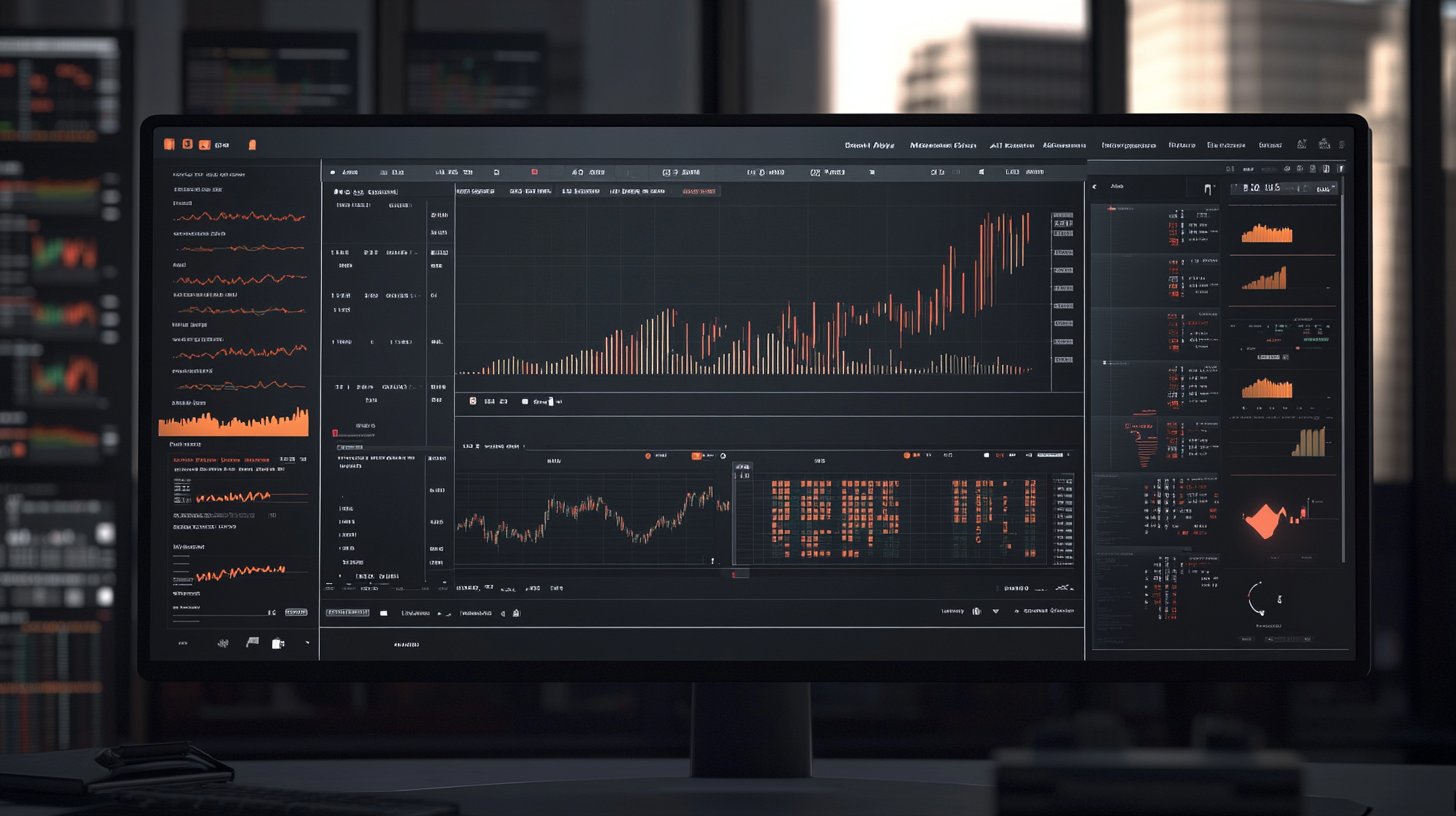
On desktop, the WebTrader behaved like a modern single-page app: watchlists on the left, charts center, tickets that support market/limit/stop, and position management that doesn’t bury the close/modify actions. I stress-tested execution by placing a small EUR/USD market order during the London/NY overlap and then tightening stops as volatility picked up; fills were clean with only minor slippage when liquidity briefly thinned. If you live inside MT4/MT5 indicators and EAs, the gap is ecosystem depth—WebTrader is capable, but it’s not a plugin universe.
Fondaurance App: Mobile Trading Experience
The Fondaurance app felt engineered for quick decisions: real-time quotes streamed smoothly, one-tap position close was available, and deposits/withdrawals were accessible without bouncing to a web portal. Fondaurance login supported biometric unlock on my device, which is the difference between “I’ll check later” and actually managing risk on the move. My only nit: chart workspace is understandably tighter on a phone, so drawing tools are usable but not luxurious for multi-level structure mapping.
Charting, Tools & Research
Tooling is practical: multi-timeframe charts, the expected indicator set (RSI, MACD, moving averages, Bollinger), and basic alerts/watchlists for monitoring levels. There’s an economic calendar plus an integrated news feed, enough to stay aware of CPI/NFP/FOMC timing without running a second terminal. The ceiling shows up if you want advanced strategy testing or institutional-grade analytics; for that, MT5/cTrader-style environments still win.
Fondaurance Account Opening & Minimum Deposit
After creating credentials, the onboarding pushed me into a short profile flow (country, trading experience, and a few AML-style declarations) before it let me access funding. KYC required a government-issued photo ID plus a proof of address dated within three months, and my verification cleared later the same business day. The compliance posture looked “real broker” rather than “anything goes,” which matters if you care about withdrawals not getting stuck at the finish line.
- Minimum Deposit: $200 (this is the Fondaurance minimum deposit I saw at checkout on card funding)
- Funding Methods: Visa/Mastercard, bank wire, regional e-wallets, and crypto deposits (BTC and USDT were listed)
- Demo Account: $10,000 virtual balance for testing spreads, margin behavior, and order types
- Account Types: Standard (spread-only) and Raw/ECN-style (tighter spread + commission)
One onboarding nuance: the base currency choice matters if you plan to fund via card, since external FX conversion can add friction. I ran a small test deposit and then moved directly into trading; the platform didn’t block key functions while waiting for full verification, but withdrawal flows did require KYC to be complete.
Fondaurance Customer Support Review
I used live chat with a very trader-specific question—how swaps were calculated on XAU/USD and whether triple-swap applied mid-week—and got a coherent answer in roughly three minutes, including where to find the rate inside the platform. To sanity-check consistency, I followed up via email asking about Fondaurance withdrawal timing for card vs. crypto; the ticket reply landed in about nine hours with method-by-method estimates and a reminder that KYC must be approved first.
Coverage looked aligned with global CFD norms: live chat runs 24/5, email is always-on but responds fastest during business hours, and phone support appears region-dependent rather than guaranteed. Don’t expect much hand-holding on weekends—crypto markets trade, but staffing tends to thin out compared with Monday–Friday desk hours.
Ready to Explore Fondaurance?
If you’re considering this broker, start by checking spreads on the exact instruments you trade and verifying your region’s eligibility before you commit meaningful capital. Opening a demo first is the cleanest way to pressure-test the WebTrader UX, margin requirements, and overnight costs.
Fondaurance Review FAQ
Is Fondaurance good for beginners?
Yes, for a certain kind of beginner—someone focused on learning CFDs with small size and strict risk limits. The platform UI is approachable, and the $10,000 demo helps you practice without funding pressure. Still, high leverage (up to 1:500) can punish mistakes quickly.
Can I trade crypto on Fondaurance?
Yes, crypto is available as CFDs, with BTC and ETH as the core markets. You’re speculating on price moves rather than buying coins on-chain, so there’s no wallet withdrawal. Expect financing dynamics to differ from forex, especially over weekends.
Is Fondaurance a scam?
No, I didn’t see scam patterns during testing—KYC was enforced and my withdrawal request moved through processing. The more accurate framing is that it’s an offshore-registered CFD broker, so protections aren’t the same as with FCA/ASIC-style oversight. Treat it like a high-risk trading venue and size accordingly.
Is Fondaurance available in the USA?
No, the USA is restricted. When I attempted to select a US address in the profile flow, the system flagged eligibility constraints. If you’re US-based, you’ll need a properly registered domestic broker instead.
How long does a Fondaurance withdrawal take?
A Fondaurance withdrawal typically shows internal processing within 24–48 hours once KYC is approved. After that, cards commonly take 2–5 business days to land, bank wires can run 3–7 business days, and crypto payouts often arrive the same day. Your bank or chain congestion can still add variability.
What is the Fondaurance minimum deposit?
The Fondaurance minimum deposit is $200 based on the funding screen I used. That level is enough to test the Standard vs. Raw/ECN-style pricing, but it’s not enough to safely use high leverage on volatile markets. Start smaller in position size than you think you need.
Does Fondaurance have a mobile app?
Yes, Fondaurance offers iOS and Android apps alongside its WebTrader. You can trade, manage orders, and handle deposits/withdrawals from mobile, and biometric sign-in is supported on compatible devices. For deep chart work, desktop still feels roomier.
Final Verdict: Should You Use Fondaurance in 2026?
Overall Score: 4.1/5
If your goal is fast access to multi-asset CFDs with a clean proprietary terminal, Fondaurance hits the mark—especially on the Raw/ECN-style tier where spreads tighten and costs become more predictable for active traders. The trade-off is structural: offshore registration (Mauritius FSC model) means you’re relying more on the broker’s operational discipline than on heavyweight investor-protection regimes. I’d treat it as a trading account, not a long-term custody solution. Remember: CFDs are leveraged instruments; you can lose more quickly than you expect, so risk controls matter more than platform aesthetics. For details, see Fondaurance.
Best for: active CFD traders who want indices/FX plus crypto CFDs in one place and can manage leverage responsibly. Avoid if: you require Tier‑1 regulation, deep MT4/MT5 automation, or you plan to “set and forget” an account for months.