Formuholm Trading Platform Alternatives 2026: Reliable Options for Online Traders
Silicon Valley teaches you a simple rule: don’t take platform risk when you’re trying to take market risk. Formuholm sits in the “FX/CFD-first” lane—typically a proprietary WebTrader plus mobile apps, higher leverage (often around 1:500), and a product menu centered on forex pairs and CFDs (indices, commodities, and crypto CFDs). That package can feel frictionless at first. The trade-off is that many brokers in this segment operate offshore—commonly under a Seychelles-style framework—where investor protections and dispute resolution can look very different from what US/EU traders expect under the FCA, ASIC, CySEC, or NFA regimes.
If your strategy depends on predictable execution, transparent pricing, and clean withdrawals, the question becomes less “Can I place trades?” and more “What happens when things go wrong?” That’s the core reason people search for Formuholm alternatives. Maybe you need MT4/MT5 or cTrader for automation, tighter all-in costs for a high-frequency approach, real stocks/ETFs instead of equity CFDs, or simply a broker where segregated client funds and negative balance protection are clear and enforceable. This guide is built to help you compare platforms like Formuholm without hype—and with the kind of controls you’d use when deploying capital into anything that can liquidate fast.
Disclaimer: This article is for informational purposes only and does not constitute investment advice. CFDs and other leveraged products carry a high risk of loss and may not be suitable for all investors.
Key Takeaways (TL;DR)
- Prioritize regulatory coverage (FCA/ASIC/CySEC/NFA) and protections like segregated client funds and compensation schemes before you compare leverage or bonuses.
- Cost comparisons should use round-turn trading cost (spread + commission) and include swap/overnight fees—not just “from 0.0 pips” headlines.
- If you want real stocks/ETFs (ownership, voting rights, direct market access), look at multi-asset brokers like IBKR or Saxo rather than CFD-only stacks.
- Migrate safely: open and verify the new account first, then withdraw using the same funding rail to reduce AML-related delays.
What Is Formuholm and How Does Its Trading Platform Work?
From what’s commonly observed in offshore CFD brokerage setups, Formuholm is positioned as a retail trading venue focused on forex and CFDs, with crypto CFDs often included. The operating model in this category is frequently market-maker or hybrid execution, which can be totally workable for casual trading but becomes more sensitive if you’re scalping, running news-driven entries, or using systematic strategies where slippage is the hidden tax. The typical account profile you’ll see here is a $250 minimum deposit, leverage that can reach roughly 1:500, and a catalogue sized for breadth rather than depth (dozens of FX pairs plus a small set of indices, commodities, and crypto contracts). For many traders evaluating competitors to Formuholm, the practical question is whether the platform and protections match the size of the bets they’re planning to place.
Formuholm Web Trading Platform: Core Features and Tools
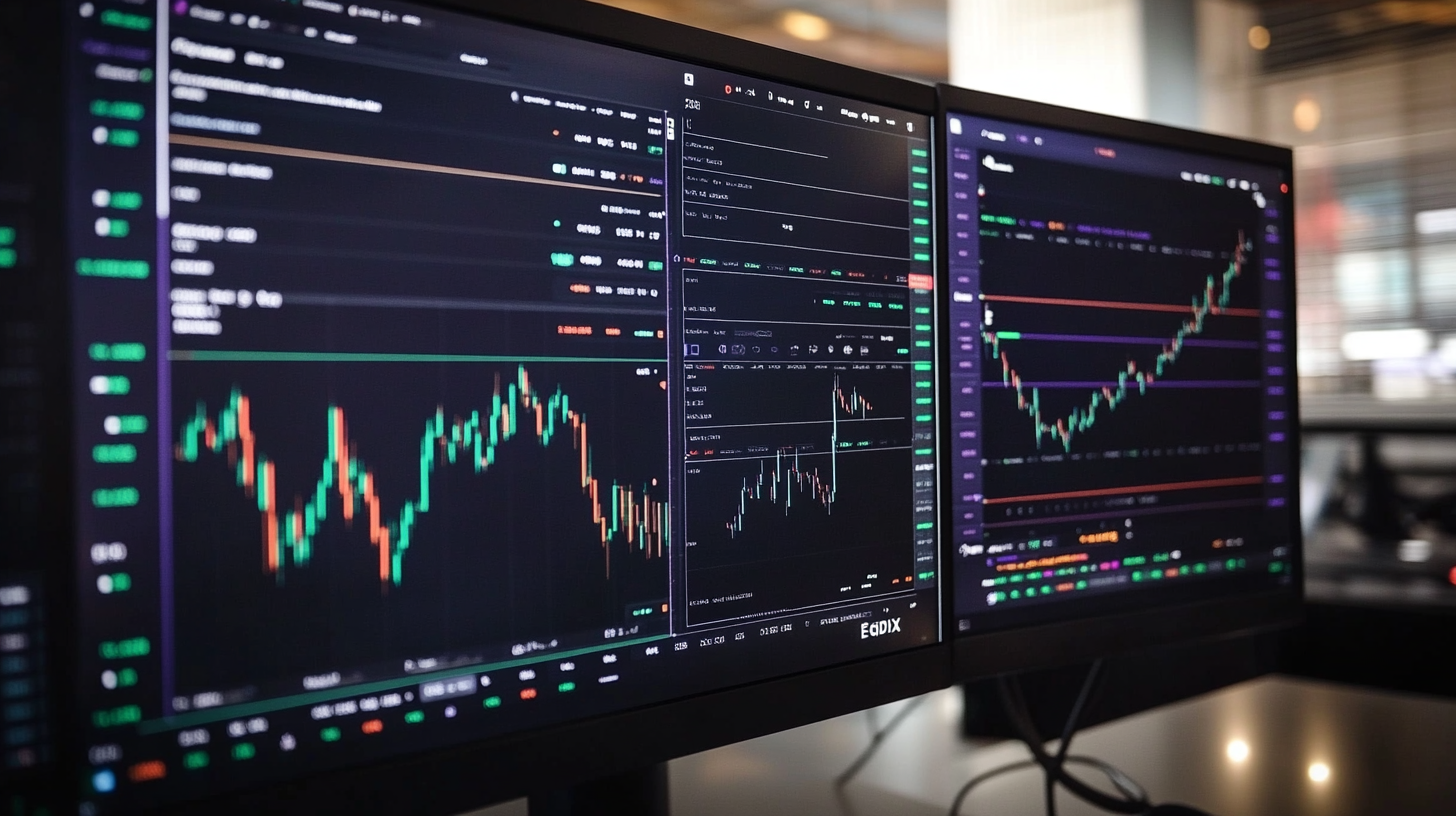
The platform stack is usually a proprietary WebTrader with a companion iOS/Android app—good enough to place orders, monitor margin, and manage positions, but not always built for deep workflow customization. Charting tends to be basic-to-mid tier: common timeframes, a set of standard indicators, and familiar drawing tools, with fewer options for multi-chart layouts and strategy testing than you’d get on MT5 or cTrader. Order entry typically supports market and limit/stop orders, plus take-profit and stop-loss controls, while advanced conditional logic (OCO-style behavior, complex brackets) can be limited. Mobile parity is often decent for monitoring and closing risk, but pro-grade execution diagnostics—fill reports, latency stats, granular slippage tracking—are rarely front-and-center.
Trading Fees, Spreads, and Account Types at Formuholm
Pricing in this segment usually clusters around a “Standard” spread model, with EUR/USD commonly around 2.0 pips on typical accounts. Some offshore brokers also advertise Raw/ECN-style tiers (if offered), where spreads can compress toward 0.0–0.4 pips but commissions land around $5–$8 per round turn—meaning the only honest comparison is the all-in cost. Expect swap/overnight financing on CFD positions, and pay attention to non-trading fees (withdrawal charges, inactivity policies, and currency conversion). For brokers similar to Formuholm, the fee schedule matters as much as the headline leverage, because over a month of active trading, friction compounds.
When Do Traders Start Looking for Formuholm Alternatives?
Strategy has a way of outgrowing tooling. The moment you start measuring outcomes—fills, slippage, overnight carry, and withdrawal timelines—you stop caring about the splashy leverage number and start caring about the plumbing. That’s where Formuholm alternatives enter the conversation: traders aren’t switching for novelty, they’re switching to reduce operational uncertainty and align the broker with how they actually trade. Offshore frameworks can still be functional, but the risk envelope is wider—especially when you’re trading leveraged CFDs where a fast move can trigger a margin call before you get a second chance to think.
- You need MT4/MT5 or cTrader for EAs, custom indicators, or a workflow that the proprietary WebTrader can’t replicate.
- Your trading journal shows that a ~2.0 pip EUR/USD spread is materially dragging performance versus a raw + commission model.
- Withdrawals feel unpredictable (extra verification loops, changing fee expectations, or long settlement windows).
- You want real stocks/ETFs (not stock CFDs) to hold longer-term exposure with clearer corporate-action handling.
How to Choose a Reliable Alternative to the Formuholm Trading Platform
Think of broker selection like picking cloud infrastructure: you’re buying uptime, governance, and predictable behavior under stress. Start by mapping your strategy to non-negotiables (market access, platform stack, and execution model), then layer on the safety rails (regulation, fund segregation, and dispute pathways). The best Formuholm alternatives 2026 aren’t “the fanciest”; they’re the ones whose incentives, protections, and tooling fit your specific risk budget.
Regulation, Safety, and Investor Protection
In the US/EU context, regulatory coverage is the line between “trust me” and “verify me.” Look for oversight from bodies like the FCA (UK), ASIC (Australia), CySEC (Cyprus/EU), or NFA/CFTC (US). These regimes typically require segregated client funds and set conduct rules around disclosures. Compensation mechanisms can matter too: the UK’s FSCS can cover eligible claims up to £85,000, while Cyprus’ ICF can cover up to €20,000 for eligible clients. Not every account qualifies, but the presence of a framework changes the risk profile versus offshore-only venues.
Available Markets and Instruments
Match the broker to what you actually want to own or trade. If your focus is short-horizon FX/indices, a specialist CFD broker may be enough. If you’re building exposure like an investor—stocks, ETFs, options, futures, bonds—you’ll want a multi-asset venue with direct market access where possible. This is where platforms like Formuholm can diverge: offshore CFD menus often look broad, but they’re still mostly derivatives. If you care about dividends, voting rights, or long-term holding mechanics, prioritize real assets over CFDs.
Trading Costs: Spreads, Commissions, and Other Fees
“Low spreads” is not a metric; round-turn cost is. Compare spread-only accounts (e.g., ~1.0–1.6 pips on EUR/USD at some brokers) with raw-spread + commission accounts (often near 0.0–0.3 pips plus a per-lot commission). Then add the quiet costs: swap/overnight fees for CFD holds, conversion fees if your base currency differs, and any inactivity or withdrawal charges. A scalper trading 100 standard lots a month can see performance swing dramatically from a 2.0 pip environment to a tight raw + commission setup.
Platforms, Tools, and Execution Quality
Platform choice is really a choice about tooling and execution transparency. MT4/MT5 and cTrader support automation, advanced order management, and a huge ecosystem—useful if you’re iterating strategies like software. Proprietary WebTraders can be simpler, but they may limit exports, integrations, and analytics. Execution model matters: market maker setups can be fine for many flows, while STP/ECN/DMA approaches may offer more predictable routing and reporting for some instruments. Track slippage during volatile windows; if it widens materially, your edge can evaporate.
Support, Education, and Overall User Experience
Support quality becomes visible only when something breaks—KYC documents, a margin query, a corporate action, or a withdrawal review. Look for clear help channels, multilingual coverage if you need it, and documented response expectations. Education matters less for pros and more for newer traders, but good brokers still provide transparent contract specs, margin rules, and fee tables. Mobile parity is also underrated: if your risk management depends on reacting fast, the app must reliably handle order modification and position close-outs under load.
Formuholm and Different Asset Classes: When Alternatives May Be Better
Formuholm Forex and CFD Trading
Forex and index/commodity CFDs are the core value proposition in platforms like Formuholm: quick access, high leverage (commonly around 1:500), and a menu that might include ~30–50 FX pairs plus a handful of indices and commodities. The catch is that the “headline” trading experience can conceal the true cost structure—particularly if EUR/USD is typically around 2.0 pips on standard pricing. For active traders, that spread is a real drag. By contrast, FX/CFD specialists like Pepperstone and OANDA are built for tighter pricing and stronger regulatory posture, with platform stacks (MT4/MT5/cTrader, plus proprietary options) that make it easier to audit execution and manage risk. If your edge is small, execution quality and predictable fills matter more than maximum leverage.
Formuholm Stock and ETF Trading
Stock and ETF access is where many offshore CFD brokers feel “wide but shallow.” Often, equities show up mainly as stock CFDs, which means you’re speculating on price movement rather than owning the underlying shares—no shareholder rights, and financing costs can bite on longer holds. Traders who want the real thing—cash equities, ETFs, options overlays, and the ability to route into major venues—tend to move toward multi-asset houses like Interactive Brokers (IBKR) or Saxo Bank. Those firms are designed for portfolio-style exposure, with broader market access, more complete reporting, and tooling that resembles an institutional stack. If you’re building a barbell portfolio (AI winners on one side, hedges on the other), real equities and robust risk controls are hard to replace.
Formuholm Crypto Trading
Crypto in this category is usually delivered as crypto CFDs—you get price exposure, not on-chain ownership. That distinction is not academic: there’s no wallet transfer, and holding costs can show up through spreads and overnight financing. Some traders like CFDs for short-term directional bets because margin is built-in; others want spot ownership and custody controls (a different conversation with different risks). If your goal is regulated, risk-managed crypto trading alongside FX/CFDs, brokers such as IG and Plus500 are commonly used in certain regions for crypto CFDs, subject to local rules and product availability. For anyone comparing regulated options vs Formuholm, the key is understanding what you’re actually buying: a derivative contract with leverage and liquidation mechanics.
Best Formuholm Alternatives for 2026: Comparison of Top Trading Platforms
Interactive Brokers (IBKR): Key Facts and How It Compares to Formuholm
Regulation: SEC/FINRA (US), FCA (UK), IIROC (Canada) (entity depends on region)
Markets: Stocks, ETFs, options, futures, bonds, FX, funds (broad global access)
Fees: Varies by market; FX spreads can be very competitive on major pairs, with commissions depending on schedule
Platform: Trader Workstation (TWS), IBKR Mobile, Client Portal; API access available
Best For: Portfolio builders who want real multi-asset access
Pepperstone: Key Facts and How It Compares to Formuholm
Regulation: FCA, ASIC, CySEC, DFSA (jurisdiction varies)
Markets: FX and CFDs (indices, commodities; crypto CFDs where permitted)
Fees: Raw accounts often near ~0.0–0.3 pips on EUR/USD + commission (commonly ~$6–$7 round turn); Standard spreads typically ~1.0+ pips
Platform: MT4, MT5, cTrader, TradingView integrations (availability by entity)
Best For: Systematic FX traders optimizing spread + execution
Saxo Bank: Key Facts and How It Compares to Formuholm
Regulation: FCA, MAS, DFSA (by region/entity)
Markets: Stocks, ETFs, options, futures, bonds, FX, CFDs
Fees: Pricing depends on tier; FX spreads can be competitive on majors, and equity commissions vary by venue
Platform: SaxoTraderGO, SaxoTraderPRO
Best For: Cross-asset investors who trade from one risk dashboard
OANDA: Key Facts and How It Compares to Formuholm
Regulation: CFTC/NFA (US), FCA (UK), ASIC (Australia), IIROC (Canada)
Markets: FX (core); CFDs where available (region dependent)
Fees: Typically spread-based pricing; majors can be around ~0.6–1.2 pips depending on conditions and account type
Platform: OANDA web/mobile, MT4 (availability varies)
Best For: Risk-first FX traders who value strong oversight
IG: Key Facts and How It Compares to Formuholm
Regulation: FCA, ASIC, MAS (entity depends on location)
Markets: CFDs across indices, FX, commodities, shares (product set varies); spread betting in the UK (where eligible)
Fees: Generally spread-led; EUR/USD often around ~0.6–1.0 pips in liquid hours (conditions vary)
Platform: IG web platform, mobile apps; MT4 supported in certain regions
Best For: Macro traders who want broad CFD market coverage
Trading 212: Key Facts and How It Compares to Formuholm
Regulation: FCA, CySEC, FSC Bulgaria (entity depends on residency)
Markets: Stocks and ETFs (invest accounts) plus CFDs (region/product dependent)
Fees: Investing side often positioned as low-fee; CFDs are spread-based with costs varying by instrument
Platform: Proprietary web and mobile apps
Best For: Mobile-first investors mixing ETFs with light CFD use
Comparison Summary
| Platform | Regulation | Main Markets | Typical Costs | Best For |
|---|---|---|---|---|
| Interactive Brokers (IBKR) | SEC/FINRA, FCA, IIROC | Real stocks/ETFs, options, futures, bonds, FX | Market-based commissions; FX typically very competitive on majors | Portfolio builders who want real multi-asset access |
| Pepperstone | FCA, ASIC, CySEC, DFSA | FX + CFDs | Raw: ~0.0–0.3 pips + ~$6–$7 RT; Standard: ~1.0+ pips | Systematic FX traders optimizing spread + execution |
| Saxo Bank | FCA, MAS, DFSA | Multi-asset (stocks/ETFs/options/futures/FX/CFDs) | Tiered pricing; venue-based commissions; competitive FX on majors | Cross-asset investors who trade from one risk dashboard |
| OANDA | CFTC/NFA, FCA, ASIC, IIROC | FX (plus CFDs where offered) | Spread-based; majors often ~0.6–1.2 pips in normal liquidity | Risk-first FX traders who value strong oversight |
| IG | FCA, ASIC, MAS | CFDs across FX/indices/commodities/shares | Spreads vary; EUR/USD often ~0.6–1.0 pips in liquid sessions | Macro traders who want broad CFD market coverage |
| Trading 212 | FCA, CySEC, FSC Bulgaria | Stocks/ETFs + CFDs (product dependent) | Investing: low-fee positioning; CFDs: spread-based by instrument | Mobile-first investors mixing ETFs with light CFD use |
How to Safely Move from Formuholm to Another Broker
Switching brokers is less like changing apps and more like migrating a production system: sequence matters, and mistakes are expensive. Treat the move as a controlled rollout—verify regulation, complete KYC early, and reduce exposure before you touch withdrawals. If you’re actively trading leveraged CFDs, don’t forget that a single volatile session can liquidate positions while you’re mid-migration, so minimize moving parts and keep receipts for every step.
- Confirm the new broker’s license on the regulator’s public database (FCA Register, ASIC Connect, CySEC register, or NFA BASIC) and make sure the entity name matches your account paperwork.
- Open the new account and complete KYC/AML checks first (government ID + proof of address), so you aren’t stuck unable to receive funds later.
- Flatten risk before migrating: close open CFD positions and cancel pending orders rather than assuming they can be transferred between brokers.
- Request a full withdrawal from Formuholm using the same payment method you used to deposit, since many providers enforce “same-rail” AML logic.
- Export statements, trade history, and funding records for taxes and reconciliation before you lose access to the dashboard.
Ready to Explore Formuholm?
If you’re still evaluating your options, review the current onboarding flow, product list, and regional eligibility carefully, then compare that against the regulated substitutes for Formuholm covered above. Focus on execution quality, fee transparency, and the platform stack you’ll actually use day-to-day.
FAQ: Formuholm Alternatives and Trading Platforms
What is the best alternative to Formuholm in 2026?
The best option depends on whether you’re trading CFDs short-term or building a true multi-asset portfolio. For real stocks/ETFs/options/futures access, Interactive Brokers (IBKR) is hard to beat; for FX/CFD execution and platform choice (MT4/MT5/cTrader), Pepperstone is a strong candidate in many regions. In practice, the best Formuholm alternatives 2026 are the ones that match your instruments, your cost sensitivity, and your need for regulatory protections.
Is Formuholm a safe broker/platform?
Formuholm appears consistent with an offshore/unregulated-or-lightly-regulated CFD model, commonly associated with jurisdictions such as the Seychelles framework, which generally provides fewer investor protections than FCA/ASIC/CySEC/NFA oversight. That doesn’t automatically mean you can’t trade, but it does mean you should be more cautious about leverage (often around 1:500), withdrawal processes, and how disputes are handled. If safety is the priority, regulated options vs Formuholm are usually the first place I’d look.
Can I trade stocks, futures, or crypto with Formuholm?
Formuholm is typically aligned with forex and CFDs, and crypto exposure—when offered—is usually through crypto CFDs rather than on-chain ownership. Real futures and real stocks/ETFs are often not the core product in brokers similar to Formuholm, with equities more likely delivered as CFDs. If you want genuine exchange-traded access, consider multi-asset platforms like IBKR or Saxo, or CFD providers like IG for share CFDs depending on your region.
What should I check before switching from Formuholm to another platform?
Before switching, verify the new broker’s regulator entry (FCA/ASIC/CySEC/NFA) and confirm the exact legal entity you’ll be onboarded to. Next, compare round-turn costs (spread + commission), swap/overnight fees, and platform fit (MT4/MT5/cTrader vs proprietary). Finally, plan the operational steps—KYC first, then close positions, then withdraw—so you’re not forced to rush during market volatility, especially if you’re moving funds out of Formuholm.
About the Author: Michael Chang is a Silicon Valley investor with a Stanford CS + MBA background who thinks about trading platforms the way engineers think about systems: failure modes first, features second. He writes as a market practitioner focused on execution, risk controls, and how financial infrastructure behaves under stress—because that’s where most “paper edges” disappear.