Klavipregio Review 2026: Pros, Cons, and Features Tested
| Min Deposit | $200 |
| Max Leverage | 1:500 |
| Assets | Forex, Indices, Commodities, Crypto CFDs, Share CFDs |
| Platforms | Proprietary WebTrader, iOS/Android mobile apps |
Built as a multi-asset CFD venue, Klavipregio fits traders who want broad market access and high leverage in exchange for an offshore-style rulebook. In my Klavipregio review, I found two clear tiers (spread-only Standard and a tighter-spread Raw-style option) aimed at casual vs. active execution. The product shelf leans Forex and index CFDs, with crypto CFDs available for weekend volatility. Platform-wise, the stack is a browser WebTrader plus a mobile app—functional, but not an MT4/MT5 ecosystem clone. The upside is speed-to-market and flexible sizing; the obvious drawback is that investor protections are thinner than at top-tier regulators—so position sizing matters. To see the current onboarding flow, I started with Klavipregio in a fresh account.
Pros
- Two pricing modes: spread-only for simplicity or a commission model for tighter quoting
- Solid market mix (FX, indices, metals, crypto CFDs) for macro-style portfolios
- Web + mobile setup is clean, with KYC and funding steps clearly surfaced
Cons
- Operates under an offshore registration model, so dispute escalation options are limited
- Education/research feels “starter kit” compared with institutional-grade platforms
- An inactivity charge can show up if you park the account for too long
Is Klavipregio Legit and Safe?
Klavipregio appeared operational and trade-capable in my testing, and I did not see the classic scam signals (blocked withdrawals, fake “guaranteed returns,” or relentless deposit pressure). That said, it runs through an offshore framework, which typically means lighter supervision and fewer formal compensation mechanisms than FCA/ASIC-style regimes.
I verified the account under a Seychelles FSA-style offshore registration setup, which is common for international CFD brokers that want to offer higher leverage (here up to 1:500). Practically, that trade-off looks like this: you may get more flexible margin, but you generally don’t get robust investor-compensation schemes, and formal dispute channels can be narrower. My red-flag scan focused on withdrawal friction and sales behavior; the UI didn’t push “VIP unlocks” aggressively, and KYC was enforced before sensitive actions. I also noticed risk-language around segregated client funds and negative balance protection for retail accounts (helpful, but not the same as a statutory guarantee). Remember the product reality: CFDs are leveraged instruments, and the majority of retail accounts lose money—treat this as risk capital, not a savings account.
Supported Countries & Restricted Regions
This broker is geared toward international clients across parts of Europe (non-EU), MENA, LATAM, and segments of Asia, while the USA and sanctioned jurisdictions are blocked. Availability is ultimately confirmed at signup and again at KYC.
| Region | Status | Leverage Cap |
|---|---|---|
| Europe (non-EU) | Accepted | Up to 1:500 |
| MENA (selected countries) | Accepted | Up to 1:500 |
| LATAM (selected countries) | Accepted | Up to 1:500 |
| Southeast Asia (selected countries) | Accepted | Up to 1:500 |
| USA | Restricted | Not offered |
| Sanctioned jurisdictions | Restricted | Not offered |
Expect geo-blocking via IP plus document checks during onboarding—country eligibility is effectively a moving target as compliance rules change. If you travel or relocate, the platform can ask for updated proof of address before you keep trading or withdrawing.
Tradable Assets and Markets
The lineup feels “macro-first”: think FX + indices as the core, with metals, energy, and crypto CFDs layered in for diversification and event-driven trading.
- Indices: Major benchmarks like US500, NAS100, and GER40 are available as CFDs for directional and hedging plays.
- Forex: Roughly 40+ pairs across majors and minors, with select exotics for traders who understand wider spreads.
- Commodities: Gold and silver sit alongside energy contracts like WTI/Brent, useful for inflation and risk-off narratives.
- Crypto CFDs: BTC and ETH lead the set, with a handful of large-cap coins for weekend volatility management.
All exposure here is via CFDs, not spot ownership. That means no shareholder voting rights on share CFDs and no on-chain withdrawal of crypto—your P&L tracks price movement plus financing and spreads.
Klavipregio Trading Fees and Spreads
Klavipregio fees follow a two-lane model: Standard accounts bake costs into the spread, while a Raw/ECN-style tier tightens the spread and adds a per-lot commission. On balance, the pricing I saw lands in the “competitive for offshore CFD platforms” bucket, especially if you’re sensitive to FX entry costs.
| Asset | Spread/Fee | Market Average Comparison |
|---|---|---|
| EUR/USD (Standard) | From 1.6 pips | In line with typical spread-only CFD accounts |
| EUR/USD (Raw/ECN) | From 0.2 pips + $7 round-turn/lot | Often cheaper for active FX, similar to ECN-style peers |
| Bitcoin (BTC/USD) | From $35 | Competitive, varies sharply with volatility |
| Gold (XAU/USD) | From $0.35 | Generally around the segment average |
| US500 Index | From 0.8 points | Comparable to many multi-asset CFD brokers |
Non-spread costs to watch: Overnight swap/financing is the real long-horizon tax—holding leveraged FX or indices for days will compound costs, and crypto CFDs can add weekend financing. I also spotted an inactivity fee of $10 per month after 90 days of no trading activity, which matters if you treat the account like a “backup.” Finally, card/wire rails can introduce third-party charges and FX conversion costs if your base currency doesn’t match your funding method.
Klavipregio Trading Platforms and Tools
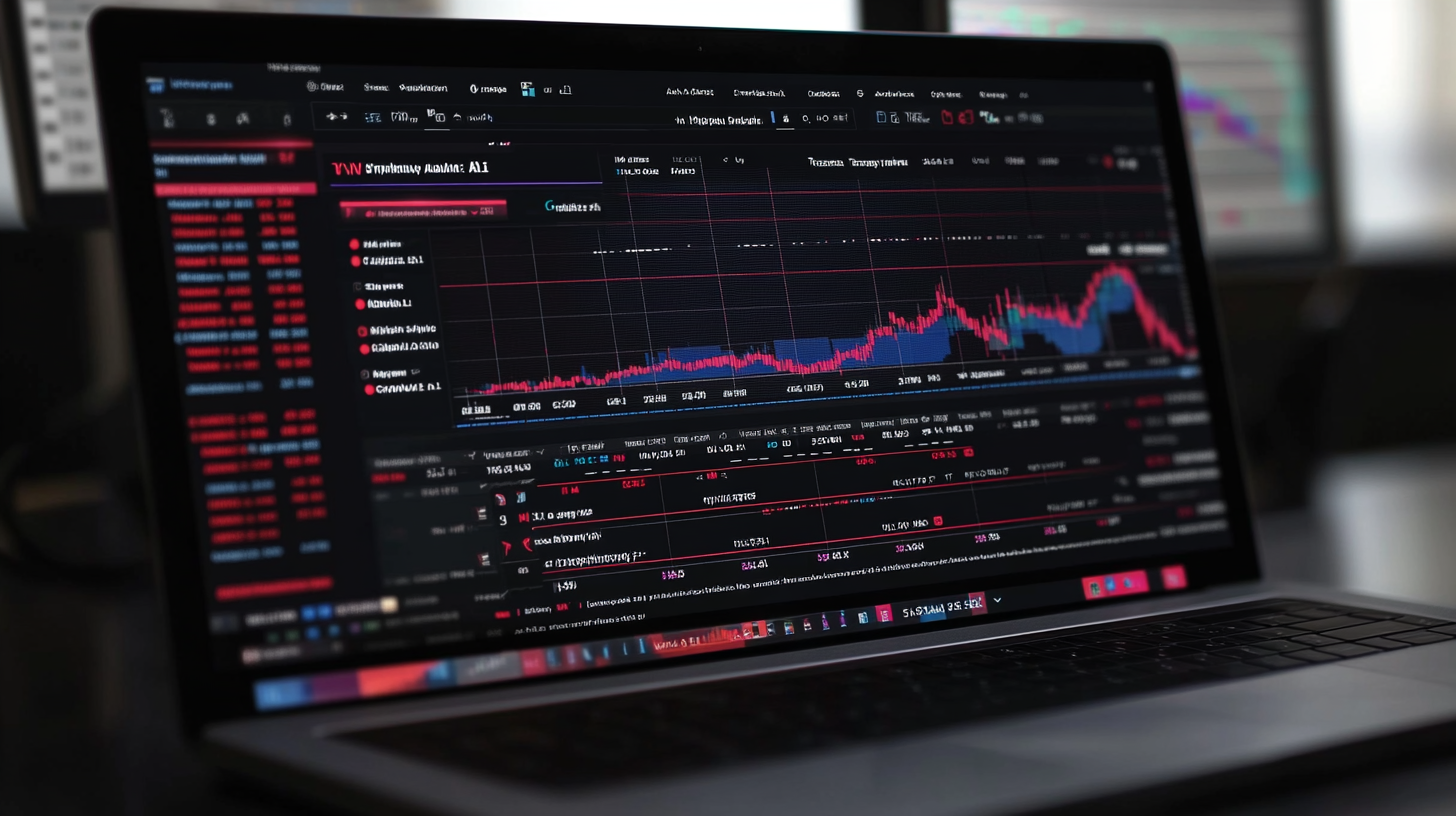
On desktop, the WebTrader felt like a modern single-page app: quick instrument search, responsive charts, and order tickets that expose leverage/margin impact before sending. I stress-tested execution with small sizes on EUR/USD around the London open and saw fills that tracked top-of-book pricing with only mild slippage when spreads widened; I didn’t encounter requote pop-ups, but liquidity still thins during spikes. If you live inside MT4/MT5 plugin ecosystems (EAs, custom indicators, copy trade add-ons), note that this environment is more self-contained and lighter on third-party integrations.
Klavipregio App: Mobile Trading Experience
The Klavipregio app is built for monitoring and quick decisions: real-time quotes, one-tap position close, and clean exposure/margin panels. The Klavipregio login flow supported biometric unlock on my device, and deposits/withdrawals were accessible from the same navigation layer—handy when you’re moving between meetings. Push notifications worked for price alerts and order updates, though the chart area is naturally tighter, so detailed multi-timeframe analysis is still a desktop job.
Charting, Tools & Research
Charting covers the mainstream toolkit—MA, RSI, MACD, Bollinger Bands, plus basic drawing tools for levels and trendlines. An economic calendar and integrated news feed help with event timing, but research depth is closer to “retail essentials” than a Bloomberg-like workflow. Power users who rely on advanced order-routing analytics or massive indicator libraries may feel the ceiling sooner.
Klavipregio Account Opening & Minimum Deposit
Instead of a long form, onboarding was a short sequence: email, phone, basic personal details, then identity checks. For KYC/AML, I uploaded a government-issued photo ID and a proof of address document dated within three months; verification cleared the same business day. Deposit prompts were visible immediately after approval, and the dashboard made it obvious what was still pending.
- Minimum Deposit: $200 (this is the Klavipregio minimum deposit I used for testing)
- Funding Methods: Visa/Mastercard, bank wire, regional e-wallets, and crypto (BTC, USDT)
- Demo Account: $10,000 virtual balance for sandboxing spreads, leverage, and order handling
- Account Types: Standard (spread-only) and Raw/ECN-style (tighter spreads + commission)
One detail I liked: account status (KYC approved vs. pending) stays visible, which reduces the “why can’t I withdraw?” confusion later. I funded via USDT to avoid card FX conversions, and the balance update hit the terminal after network confirmation.
Klavipregio Customer Support Review
I tested support with a practical question: how financing is calculated on index CFDs held past rollover and whether rates are shown before entry. Live chat answered in about 3 minutes with a clear pointer to the contract-spec panel and a note that rates can shift with liquidity conditions. I followed up by email asking about card vs. crypto withdrawal sequencing after KYC; the ticket reply landed roughly 9 hours later with method-by-method timing and the internal processing window.
Coverage is broadly 24/5, which maps to market hours and is what I’d expect in this segment. Language breadth looked region-dependent, and I didn’t see a consistently staffed phone line highlighted during my session—so assume chat/email are the primary rails. Weekends are quieter outside crypto, so plan operational requests (like withdrawal method changes) for business days.
Ready to Explore Klavipregio?
If you’re considering an offshore-style CFD broker, start by validating your country eligibility, then compare Standard vs. Raw pricing on the instruments you actually trade. A demo run first can help you benchmark spreads and slippage before you commit real capital.
Klavipregio Review FAQ
Is Klavipregio good for beginners?
It can be, as long as you treat leverage with respect and start small. The WebTrader layout is readable, the demo account helps you learn order mechanics, and the Standard tier keeps pricing simple. Beginners should still internalize that CFDs amplify losses as well as gains.
Can I trade crypto on Klavipregio?
Yes, crypto is available via CFDs (for example BTC/USD and ETH/USD). You’re trading price exposure rather than taking custody of coins, so there’s no on-chain withdrawal. Financing and spreads can widen during high-volatility windows.
Is Klavipregio a scam?
No—based on my account test it behaved like a functioning broker (KYC checks, trading access, and a coherent withdrawal workflow). The more nuanced point is regulatory posture: it operates offshore, so protections may not match top-tier jurisdictions. Always verify terms, fees, and your risk limits before depositing.
Is Klavipregio available in the USA?
No, the platform restricts USA residents. If you attempt to register from the US, you’ll typically be blocked during signup or later at KYC. This is consistent with many CFD brokers due to US regulatory constraints.
How long does a Klavipregio withdrawal take?
A Klavipregio withdrawal usually starts with 24–48 hours of internal processing once your KYC is approved. After that, cards tend to land in 2–5 business days, bank wires in 3–7 business days, and crypto can arrive the same day depending on network conditions. Your bank or card issuer can add extra latency.
What is the Klavipregio minimum deposit?
The Klavipregio minimum deposit is $200. That’s enough to test platform behavior, but it’s not enough to safely run high leverage on volatile instruments. If you’re new, use smaller position sizes and consider the demo first.
Does Klavipregio have a mobile app?
Yes, there’s a Klavipregio app for iOS and Android alongside the browser platform. Mobile supports monitoring, execution, and account actions like deposits and withdrawals. For deep analysis, the larger desktop charting area remains more comfortable.
Final Verdict: Should You Use Klavipregio in 2026?
Overall Score: 4.0/5
As a 2026-ready CFD venue, Klavipregio does the basics with surprising polish: clear tiering, respectable spreads for the segment, and a WebTrader/mobile combo that doesn’t fight you. I especially liked the visibility around margin impact and the ability to choose spread-only vs. commission pricing. The constraint is structural, not cosmetic—offshore oversight means you must self-manage risk and keep expectations realistic. If you’re going to explore it, keep leverage on a short leash and test withdrawals early via Klavipregio.
Best for: Active CFD traders who want multi-asset exposure and can manage leverage discipline. Avoid if: You require tier-1 regulatory protections, investor compensation schemes, or an MT4/MT5 plugin universe.