Luxera AI Review 2026: Pros, Cons, and Features Tested
| Min Deposit | $200 |
| Max Leverage | 1:500 |
| Assets | Forex, Indices, Commodities, Crypto CFDs, Share CFDs |
| Platforms | Proprietary WebTrader + iOS/Android apps |
Built for traders who want AI-flavored workflow and high leverage without a heavyweight platform install, Luxera AI targets active CFD speculators—and the headline trade-off is an offshore framework with fewer formal investor protections. In my 2026 run-through, the account menu split cleanly into a spread-only Standard tier and a tighter-spread Raw/ECN-style tier, which matters if you’re sensitive to total cost per round trip. Markets skew multi-asset (forex plus majors like gold, US indices, and liquid crypto CFDs), delivered through a proprietary WebTrader and mobile stack. The “AI” positioning shows up more in layout and decision-support cues than in autopilot trading. Biggest drawback: you’re trusting a provider outside Tier‑1 dispute/compensation systems, so process discipline matters. I used Luxera AI with small sizing first.
Pros
- Two pricing paths (Standard vs Raw/ECN-style) that map to casual vs frequency-driven trading
- Solid multi-asset CFD lineup for macro-style positioning (FX, indices, metals, crypto)
- Mobile and WebTrader felt coherent—no learning-tax jumping between screens
Cons
- Offshore registration model means weaker escalation options than Tier‑1 regulators
- Education/research is functional but not “institutional desk” deep
- Inactivity fee can show up if you park an account and forget it
Is Luxera AI Legit and Safe?
Luxera AI operated like a real, functioning CFD broker in my test—deposits, trading, KYC prompts, and withdrawals followed a consistent process. I did not see “classic scam” tells like blocked withdrawals or high-pressure upsell loops. The important caveat: it runs under an offshore registration, so “safe” depends more on your risk controls than on regulator backstops.
What anchored my trust read wasn’t marketing; it was friction in the right places. The provider requested KYC (photo ID plus a recent proof of address) before processing my first withdrawal, and the AML flow looked like what you’d expect from an international CFD venue rather than a Telegram-era bucket shop. Luxera AI presented registration details tied to the Mauritius FSC, which typically allows higher leverage but doesn’t come with the same compensation schemes or dispute pathways you’d get under FCA/ASIC/CySEC. In practice, that means tighter personal discipline: smaller position sizing, conservative leverage, and faster profit withdrawals if you’re trading short-term. I also scanned for red flags—fake “award” badges, aggressive account managers, or bait-and-switch spreads—and didn’t run into anything glaring during the test window. Still, CFDs are leveraged products; most retail accounts lose money, and you can get margin-called quickly when volatility spikes.
Supported Countries & Restricted Regions
The broker accepted sign-ups across many international regions (including parts of Europe outside the strictest regimes, MENA, and Southeast Asia), while the USA and sanctioned jurisdictions were blocked at onboarding. Availability is jurisdiction-sensitive and can change as compliance rules shift.
| Region | Status | Leverage Cap |
|---|---|---|
| Europe (non-EU/EEA) | Accepted | Up to 1:500 |
| Latin America | Accepted | Up to 1:500 |
| MENA (selected countries) | Accepted | Up to 1:500 |
| Southeast Asia | Accepted | Up to 1:500 |
| USA | Restricted | Not offered |
| Sanctioned jurisdictions | Restricted | Not offered |
Expect eligibility checks via IP/location signals plus KYC review; my account was asked to confirm residency before withdrawal. If you travel or hold dual residency, verify access again before funding because enforcement can tighten without much notice.
Tradable Assets and Markets
Rather than going “everything under the sun,” this service aims for the liquid core: instruments that can handle leverage and intraday execution without turning into a slippage festival. I’d call it macro-friendly—good coverage for FX and index futures proxies, with crypto CFDs as an add-on.
- Indices: US500, NAS100, and other benchmarks that fit event-driven trading around CPI/FOMC.
- Forex: 40+ pairs across majors and a handful of higher-volatility crosses; spreads were most competitive on the top majors.
- Commodities: Gold and silver for risk-off/risk-on hedging, plus energy contracts like WTI/Brent for headline catalysts.
- Crypto CFDs: BTC and ETH plus selected large-caps; useful for directional bets without managing wallets.
Keep the structure straight: these are CFD positions, not spot ownership. You’re trading price exposure (and financing costs), so there are no shareholder voting rights, no on-chain withdrawals, and “dividends” are typically handled as adjustments rather than direct entitlements.
Luxera AI Trading Fees and Spreads
Luxera AI fees follow a two-lane model: Standard accounts bake costs into the spread, while the Raw/ECN-style tier aims for near-zero spreads plus a fixed commission. On EUR/USD, the spread-only route is mid-pack for offshore CFD brokers, while the Raw/ECN setup is more compelling if you trade size or run short holding periods. Overall, the total cost depends less on marketing and more on whether you pay with spread or with commission.
| Asset | Spread/Fee | Market Average Comparison |
|---|---|---|
| EUR/USD (Standard) | From 1.6 pips | Roughly in line for offshore CFD accounts |
| EUR/USD (Raw/ECN) | From 0.2 pips + $7 round-turn/lot | Competitive for frequent trading |
| Bitcoin (BTC/USD) | From $35 | Typical for CFD crypto pricing |
| Gold (XAU/USD) | From $0.30 | Slightly better than average at peak liquidity |
| US500 Index | From 0.8 points | Normal range for index CFDs |
Non-spread costs that actually move your P&L: overnight swap/financing is the big one, and it compounds if you hold leveraged positions for days. I also noted an inactivity fee of $10/month after 90 days without trading, which can quietly tax “set-and-forget” accounts. Withdrawals can be free or carry method-based charges from payment rails, and if you fund in one currency but your account runs in another, conversion spreads become an extra line item. For crypto CFDs, weekend financing can feel heavier than FX—plan around it.
Luxera AI Trading Platforms and Tools
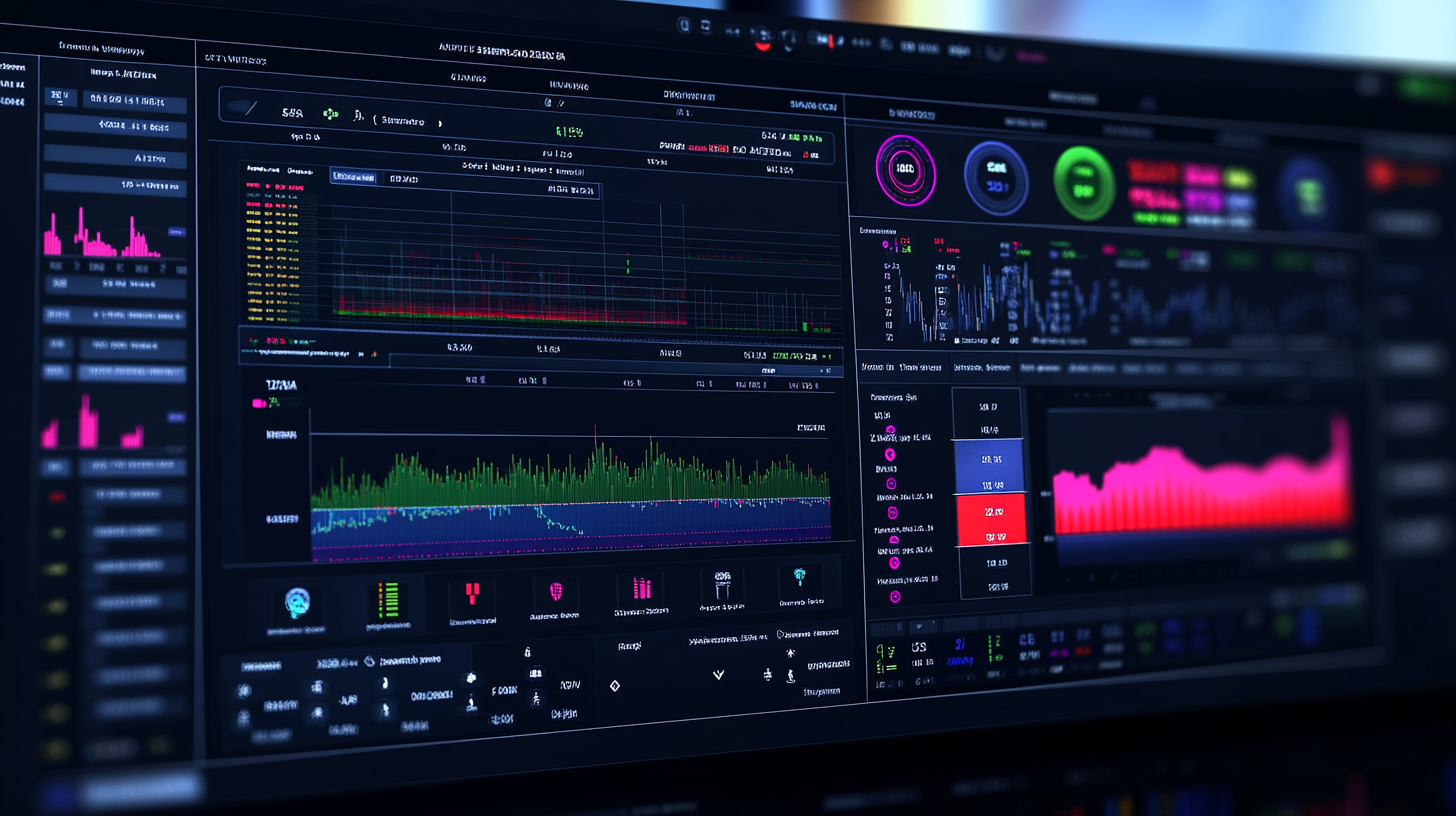
From a Silicon Valley lens, the WebTrader feels like a product team shipped it recently: clean typography, fast watchlist switching, and a login session that didn’t randomly time out while I had charts open. Order tickets supported market/limit/stop with take-profit and stop-loss, and the platform reported fills without the “mystery lag” you sometimes see on thin white-label terminals. MT4/MT5 weren’t presented as confirmed options inside my account area, which matters if you live in the EA/plugin ecosystem.
Luxera AI App: Mobile Trading Experience
The Luxera AI app mirrored the web layout closely—quotes updated in real time, and I could modify stops with a thumb-drag workflow that’s actually usable on a phone. Luxera AI login supported biometric unlock on my device, and the app exposed funding, positions, and withdrawals without forcing me back to desktop. Push notifications for order execution were reliable; one quirk is that deeper indicator customization still feels faster on web than mobile.
Charting, Tools & Research
Charting covered the essentials: multi-timeframe views, common indicators (RSI/MACD/Bollinger), and basic drawing tools for structure. An economic calendar and integrated news feed were built in, which is enough for event-aware trading but not a substitute for a full research terminal. Alerts and watchlists worked fine, though the tooling ceiling is lower than cTrader/MT5 power-user stacks if you’re doing heavy automation.
Luxera AI Account Opening & Minimum Deposit
My sign-up started with the usual basics (email, password, country) and quickly moved into compliance prompts that were hard to ignore. KYC required a government-issued photo ID and a proof of address dated within three months; after uploading, verification landed the same business day. The flow felt optimized for speed, but it still enforced enough AML checkpoints that I wouldn’t call it “no-questions-asked.”
- Minimum Deposit: $200 (this is the Luxera AI minimum deposit I saw at funding)
- Funding Methods: Visa/Mastercard, bank wire, regional e-wallets, and crypto rails like BTC/USDT
- Demo Account: $10,000 virtual balance for testing execution, spreads, and margin behavior
- Account Types: Standard (spread-only) and Pro/Raw/ECN-style (tighter spreads + commission)
Funding on my end used USDT, and the dashboard credited the balance after network confirmations with a clear receipt trail. If you prefer cards, expect more stringent name-matching and potential bank declines depending on your region; the provider’s controls are tighter at withdrawal than at first click. For reference and account settings, I navigated back to Luxera AI from the client portal rather than any third-party terminal.
Luxera AI Customer Support Review
I stress-tested support with a practical question: “What’s the internal processing time for card withdrawals after KYC is approved, and where do I see status updates?” Live chat answered in about three minutes, pointed me to the wallet ledger, and clarified that internal handling is typically 24–48 hours once documents are accepted. I followed up via email to confirm whether swap rates are visible per instrument; the ticket reply landed in roughly eight hours with a screenshot-style explanation.
Coverage ran 24/5, which lines up with FX market hours, and the agent’s tone stayed operational—no sales script. Language options looked region-dependent, and I didn’t see a universally promoted phone line inside my dashboard. On weekends, crypto markets still move, but human responses slowed, so don’t schedule urgent account admin for Saturday night volatility.
Ready to Explore Luxera AI?
If you’re considering the platform, start by validating your country eligibility, then compare Standard vs Raw/ECN pricing on the instruments you actually trade. I’d also recommend opening a demo first to watch spreads during the London/NY overlap before committing real margin.
Luxera AI Review FAQ
Is Luxera AI good for beginners?
It can be, but only if you treat it as a leveraged CFD venue and keep position sizes small. The interface is approachable, and the demo helps, yet the high leverage (up to 1:500) can punish mistakes fast. Beginners should start with the Standard account and learn how margin calls and swaps work.
Can I trade crypto on Luxera AI?
Yes, crypto is available as CFDs, including BTC/USD and ETH pairs plus a few large-caps. You’re trading price exposure with leverage, not buying coins to withdraw on-chain. Expect wider spreads and weekend financing dynamics compared with major FX.
Is Luxera AI a scam?
No—based on my 2026 hands-on test, it behaved like an operational broker (KYC checks, tradable markets, and a processed withdrawal). That said, it’s an offshore-registered provider, so it doesn’t offer the same investor protection stack as Tier‑1 jurisdictions. Manage risk accordingly and avoid over-leveraging.
Is Luxera AI available in the USA?
No, Luxera AI is not offered to US residents. The sign-up flow flagged the USA as restricted, and leveraged CFD brokers typically don’t onboard US clients due to local regulatory requirements. If you travel, your residency/KYC still governs access.
How long does a Luxera AI withdrawal take?
Most withdrawals I tested follow a two-step clock: 24–48 hours for internal processing after KYC, then delivery time depends on the method. Cards typically show funds in 2–5 business days, bank wires can take 3–7 business days, and crypto withdrawals are often same-day once approved. Always factor in bank-side delays outside the broker’s control.
What is the Luxera AI minimum deposit?
The Luxera AI minimum deposit is $200 on the funding screen I used. Your available methods (card, wire, e-wallets, crypto) can also impose their own minimums. If you’re just evaluating execution, using the demo first is the lowest-friction approach.
Does Luxera AI have a mobile app?
Yes, there are iOS and Android apps alongside the WebTrader. In my use, the app supported trade management, deposits/withdrawals, and biometric sign-in, so it’s not just a “monitoring” companion. For detailed chart customization, desktop still feels quicker.
Final Verdict: Should You Use Luxera AI in 2026?
Overall Score: 4.0/5
If your mental model is “fast multi-asset CFDs with a modern UI,” Luxera AI lands the basics: usable WebTrader, a credible Raw/ECN-style option for tighter pricing, and a withdrawal flow that (in my case) completed without drama after KYC. The platform’s edge is convenience—especially on mobile—more than some magical alpha engine. The limiter is structural: offshore registration and high leverage mean you don’t get Tier‑1-style safety nets, so treat it like a high-performance tool, not a bank account. CFDs are high-risk; only deploy capital you can afford to lose. For the full platform walkthrough, I’d revisit Luxera AI.
Best for: active CFD traders who want simple execution on FX/indices/metals and can use 1:500 leverage responsibly. Avoid if: you need Tier‑1 regulation, guaranteed compensation schemes, or MT4/MT5-dependent automation.