Medrascença Trading Platform Alternatives 2026: Reliable Options for Online Traders
Speed is intoxicating in trading—especially when a platform dangles high leverage, a slick WebTrader, and quick account opening. That’s the lane Medrascença appears to play in: a CFD-first experience centered on forex and indices, with crypto CFDs commonly seen in this offshore segment. The tradeoff is that “fast to start” can also mean “harder to verify,” particularly if the firm operates under an offshore framework (here, think Seychelles FSA) and relies on a proprietary browser platform rather than a widely audited, industry-standard ecosystem.
For a US/EU audience in 2026, the question isn’t only “Can I place a trade?” It’s “What happens on my worst day?” Slippage during a macro headline, a margin call that lands mid-sleep, or a withdrawal that suddenly requires extra documentation can turn a small operational gap into a real portfolio event. That’s why traders search for Medrascença alternatives: they want clearer investor protections, more predictable execution, broader market access (real stocks/ETFs vs. only CFDs), and a platform stack that matches their strategy—manual, systematic, or API-driven.
This guide breaks down what Medrascença likely offers (based on commonly observed conditions for offshore CFD providers), then maps out regulated options and a migration path that treats capital as scarce and risk as non-negotiable.
Disclaimer: This article is for informational purposes only and does not constitute investment advice. CFDs and other leveraged products carry a high risk of loss and are not suitable for every investor.
Key Takeaways (TL;DR)
- If you need real stocks/ETFs (not just stock CFDs), multi-asset brokers like Interactive Brokers and Saxo tend to close that gap.
- Compare total “round-turn” trading cost (spread + commission + swaps), not headline leverage—especially if you trade frequently.
- Before withdrawing from one broker and funding another, complete KYC/AML at the new broker first to avoid downtime.
What Is Medrascença and How Does Its Trading Platform Work?
From the outside, Medrascença reads like a classic offshore CFD venue: forex and CFDs at the center, higher leverage marketing, and a streamlined onboarding flow designed for global clients—while typically restricting the USA and other higher-compliance jurisdictions. In this category, access is usually focused on major/minor FX pairs, a handful of commodities and indices, and a menu of crypto CFDs—useful for directional exposure, but structurally different from owning the underlying asset. If you’re comparing brokers similar to Medrascença, the biggest differences often show up in verification (regulatory oversight), execution transparency, and the breadth of instruments beyond CFDs.
Medrascença Web Trading Platform: Core Features and Tools
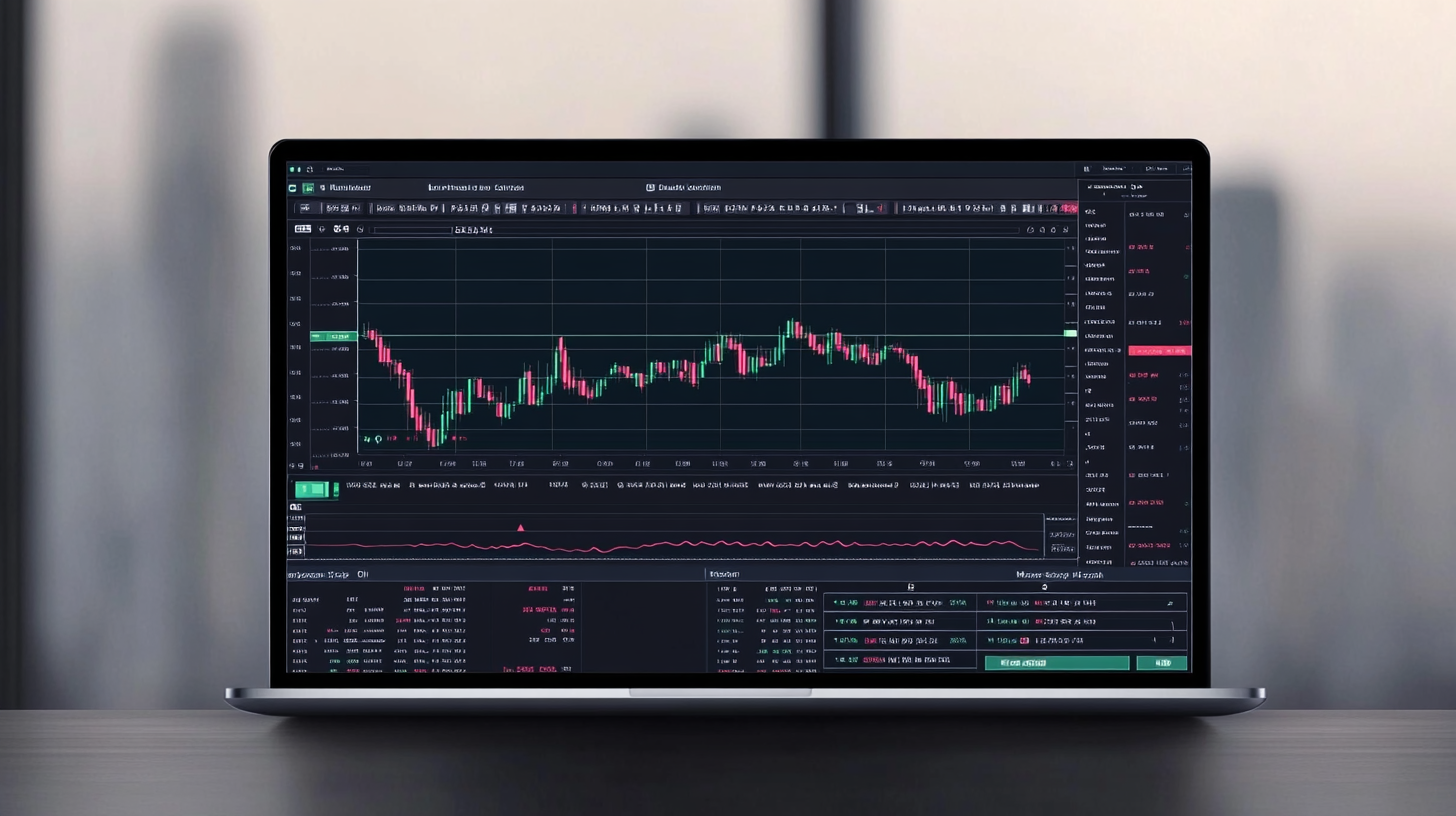
The platform stack is commonly a proprietary WebTrader with an accompanying iOS/Android app—functional, but not always deep. Expect the essentials: basic-to-mid charting, standard indicators, drawing tools, and one-click trading for fast order entry. Typical order types in this tier cover market and limit orders, plus stop-loss/take-profit; advanced conditional logic and granular order-routing are less common than on MT5/cTrader or DMA-style platforms. Mobile parity is usually decent for monitoring, margin checks, and quick exits, though heavy chart work and multi-monitor workflows tend to favor desktop-grade solutions.
Trading Fees, Spreads, and Account Types at Medrascença
Cost structure in offshore CFD setups often starts with a “Standard” pricing model where EUR/USD sits around ~2.0 pips in typical conditions. Some providers also advertise a lower-spread, commission-based tier (often framed as Raw/ECN), where spreads can compress toward ~0.0–0.4 pips plus a round-turn commission in the $6–$8 range. Beyond spreads, the hidden line-items matter: swap/overnight financing (especially on indices and crypto CFDs), potential withdrawal processing fees, and occasional inactivity charges that can surprise low-frequency traders.
When Do Traders Start Looking for Medrascença Alternatives?
Operational friction is the real trigger—more than UI preference. Once you size up, your platform becomes part of your risk system: execution quality, margin mechanics, and withdrawal reliability matter as much as your entry signal. Many traders pursue Medrascença alternatives after realizing that offshore leverage (often marketed up to 1:500 in this segment) can amplify small mistakes into forced liquidations, and that regulatory protections may be thinner than they want for serious capital.
- You want regulator-backed guardrails (segregated client funds, stronger dispute channels) instead of an offshore-only framework.
- Your strategy needs MT4/MT5 or cTrader for EAs, custom indicators, or lower-latency workflow than a browser-first WebTrader can deliver.
- You’re trying to invest in real US/EU equities or ETFs, and you don’t want “stocks” to mean “stock CFDs with no shareholder rights.”
- You’ve felt cost drag from wider spreads and swaps, and you’re ready to optimize round-turn trading cost for your volume.
How to Choose a Reliable Alternative to the Medrascença Trading Platform
I treat broker selection like picking cloud infrastructure: assume outages happen, assume edge cases happen, and design for survivability. For alternatives to the Medrascença trading platform, that means matching your strategy to a venue with verifiable oversight, the right instruments, and execution you can audit through fills, re-quotes, and slippage patterns—not just marketing copy.
Regulation, Safety, and Investor Protection
Start with jurisdiction and the regulator’s enforcement posture. FCA (UK), ASIC (Australia), CySEC (EU), and NFA/CFTC (US) are the reference points many traders trust because the rules around disclosures, complaints, and capital requirements are meaningfully tighter. In the UK, FCA oversight can connect to the FSCS investor compensation scheme (often cited up to £85,000 in eligible cases); in Cyprus, the ICF is commonly referenced (often up to €20,000 for eligible clients). Also look for segregated client funds and (where applicable) negative balance protection.
Available Markets and Instruments
Define what you actually want to trade, then reverse-engineer the broker. FX and index CFDs can be enough for a short-term macro trader; a long-horizon builder mindset often wants real stocks/ETFs, options, and sometimes futures. Multi-asset platforms can provide cash equities and futures (with exchange routing), while CFD-first brokers may only mirror those markets synthetically. If your plan includes AI/tech exposure via US growth stocks, “real shares” versus CFDs is not semantics—it changes custody, rights, and sometimes tax reporting.
Trading Costs: Spreads, Commissions, and Other Fees
Spreads are the visible layer; the full cost stack includes commission, swaps, and non-trading fees. A clean comparison uses round-turn cost: what it takes to enter and exit at your typical size. If you scalp, a 0.8–1.2 pip difference can dominate P&L over a month more than platform UX ever will. For swing positions, swap/overnight fees can be the slow leak that quietly turns a “right call” into a mediocre trade.
Platforms, Tools, and Execution Quality
Platform choice is strategy choice. MT4/MT5 and cTrader support automation, custom studies, and a mature ecosystem; proprietary WebTraders can be fine for discretionary execution but may offer fewer knobs. Execution model matters too: market maker versus STP/ECN/DMA affects how orders are filled, when slippage appears, and whether liquidity conditions are transparent. If you’re currently using Medrascença, try journaling slippage and fill speed around high-volatility events—then compare that data against a regulated venue.
Support, Education, and Overall User Experience
When something breaks, support is your last line of defense. Look for coverage hours that match your trading session, multilingual support if you need it, and response times that don’t turn urgent margin questions into email threads. Education also signals maturity: solid brokers tend to publish risk explanations (margin calls, order types, swaps) that reduce user error. Finally, check whether mobile mirrors the web/desktop experience for alerts, position management, and account security controls like 2FA.
Medrascença and Different Asset Classes: When Alternatives May Be Better
Medrascença Forex and CFD Trading
The core value proposition in platforms like Medrascença is straightforward: quick access to FX and index CFDs, often paired with high headline leverage (commonly up to 1:500 in offshore lineups). The counterweight is cost and execution visibility. If EUR/USD pricing is around ~2.0 pips on a standard tier, active traders may find their edge taxed before strategy even shows up. Regulated FX/CFD specialists such as Pepperstone or OANDA are often chosen for tighter pricing structures (including commission-based accounts) and more mature platform stacks (MT4/MT5/cTrader or robust proprietary tools). Execution-wise, ask how the broker handles fast markets: partial fills, slippage, and stop execution quality matter more than a leverage headline that can also accelerate losses.
Medrascença Stock and ETF Trading
If your 2026 thesis includes “own the picks-and-shovels of AI,” you’ll likely want real equities and ETFs, not just a synthetic CFD wrapper. Many offshore CFD venues either don’t offer cash equities at all or present “stocks” primarily as CFDs—no voting rights, no direct participation in corporate actions the way shareholders expect, and different risk dynamics under extreme gaps. This is where competitors to Medrascença diverge sharply. Interactive Brokers is built for broad, direct market access across US/EU venues (stocks, ETFs, options, futures, bonds), and Saxo is a strong multi-asset alternative for traders who want a unified portfolio view with professional-grade tools. If your strategy spans long-term holdings plus tactical hedges, these venues reduce product mismatch risk.
Medrascença Crypto Trading
Crypto exposure is another place where the product label can mislead. In offshore CFD environments, “crypto trading” often means crypto CFDs: price exposure without on-chain ownership, no wallet withdrawals, and typically higher financing costs when held overnight. That can be totally rational for short-term speculation or hedging, but it’s a different instrument than holding spot crypto. For regulated options vs Medrascença, brokers like IG (in permitted jurisdictions) are known for offering crypto CFDs alongside other CFD markets, with a more established compliance posture. If you want a single risk book that includes FX, indices, and crypto CFDs, a regulated CFD venue can simplify controls—just remember that leverage plus crypto volatility can compound drawdowns fast.
Best Medrascença Alternatives for 2026: Comparison of Top Trading Platforms
Interactive Brokers (IBKR): Key Facts and How It Compares to Medrascença
Regulation: SEC/FINRA (US), FCA (UK), IIROC (Canada) (entity depends on region)
Markets: Stocks, ETFs, options, futures, bonds, FX (spot), funds (availability varies by country)
Fees: FX priced via tight spreads plus commission model (varies by volume); equities typically commission-based with tiered schedules
Platform: Trader Workstation (TWS), IBKR Desktop/Web, mobile; API access
Best For: Multi-asset investors building a serious, long-term portfolio
Pepperstone: Key Facts and How It Compares to Medrascença
Regulation: FCA (UK), ASIC (Australia), CySEC (EU), DFSA (Dubai)
Markets: FX and CFDs (indices, commodities; product list varies by entity)
Fees: Standard spreads often around ~1.0+ pip on EUR/USD; Razor/Raw-style pricing commonly targets ~0.0–0.3 pips + commission (varies by region)
Platform: MT4, MT5, cTrader, TradingView integration (where offered)
Best For: Systematic traders optimizing spreads and execution
Saxo Bank: Key Facts and How It Compares to Medrascença
Regulation: FCA (UK), MAS (Singapore), DFSA (Dubai) (entity depends on region)
Markets: Stocks, ETFs, options, futures, bonds, FX, CFDs (availability varies by jurisdiction)
Fees: Pricing varies by account tier; FX spreads generally competitive on major pairs, with clearer institutional-style reporting on some setups
Platform: SaxoTraderGO, SaxoTraderPRO
Best For: Global macro traders who want one dashboard across asset classes
OANDA: Key Facts and How It Compares to Medrascença
Regulation: CFTC/NFA (US), FCA (UK), ASIC (Australia), IIROC (Canada)
Markets: Primarily FX; CFDs available in certain non-US regions (indices/commodities depending on entity)
Fees: Often spread-only pricing on core FX products, with spreads that can be competitive on majors; costs vary by region and account type
Platform: OANDA web/mobile platforms; MT4 support in certain regions
Best For: FX-first traders prioritizing compliance and transparency
IG: Key Facts and How It Compares to Medrascença
Regulation: FCA (UK), ASIC (Australia), MAS (Singapore)
Markets: CFDs (indices, FX, commodities, shares), spread betting (UK/IE), crypto CFDs (where permitted)
Fees: CFD spreads vary by market; FX spreads on majors often competitive; overnight financing applies on leveraged positions
Platform: IG web platform, mobile app; MT4 available in some regions
Best For: Active CFD traders who need broad market coverage
Trading 212: Key Facts and How It Compares to Medrascença
Regulation: FCA (UK), CySEC (EU), FSC Bulgaria
Markets: Stocks and ETFs (investing accounts), CFDs (where offered; product availability varies)
Fees: Investing accounts often emphasize low explicit dealing costs; CFD trading embeds costs in spread and overnight financing
Platform: Proprietary web and mobile apps
Best For: Mobile-first investors mixing long-term holdings with light trading
Comparison Summary
| Platform | Regulation | Main Markets | Typical Costs | Best For |
|---|---|---|---|---|
| Interactive Brokers (IBKR) | SEC/FINRA, FCA, IIROC (by entity) | Real stocks/ETFs, options, futures, bonds, FX | Commission schedules vary; FX often tight + commission | Multi-asset investors building a serious, long-term portfolio |
| Pepperstone | FCA, ASIC, CySEC, DFSA | FX + CFDs (indices/commodities) | Std ~1.0+ pip; Raw ~0.0–0.3 pip + commission (varies) | Systematic traders optimizing spreads and execution |
| Saxo Bank | FCA, MAS, DFSA (by entity) | Stocks/ETFs, options, futures, FX, CFDs | Tiered pricing; competitive majors; financing on leverage | Global macro traders who want one dashboard across asset classes |
| OANDA | CFTC/NFA, FCA, ASIC, IIROC | FX (plus CFDs in some regions) | Often spread-only; majors typically competitive (region-dependent) | FX-first traders prioritizing compliance and transparency |
| IG | FCA, ASIC, MAS | CFDs across many markets; crypto CFDs (where allowed) | Market-based spreads; overnight financing on leveraged trades | Active CFD traders who need broad market coverage |
| Trading 212 | FCA, CySEC, FSC Bulgaria | Stocks/ETFs (real), plus CFDs (where offered) | Investing: low explicit fees; CFDs: spread + overnight cost | Mobile-first investors mixing long-term holdings with light trading |
How to Safely Move from Medrascença to Another Broker
Switching brokers is less like “downloading a new app” and more like migrating a production system: sequence matters, and mistakes show up as downtime or unexpected losses. If you’re moving off Medrascença, treat the process as a controlled cutover—verify the destination, reduce exposure before transfer, and test execution with small size. Remember: leveraged CFDs can move faster than support queues, so keep risk low during the transition window.
- Confirm the new broker’s authorization on the regulator’s public database (FCA Register, ASIC Connect, CySEC register, or NFA BASIC), and match the legal entity name—not just the brand.
- Open the new account and complete KYC/AML first (government ID + proof of address). Many brokers clear verification quickly, but don’t assume same-day approval.
- Export your trade history, statements, and funding records from the old platform for tax and audit trails before you change anything else.
- Reduce or close open positions, then re-establish them on the new broker if needed. Position transfers between unrelated brokers are typically not a thing for retail CFDs.
- Withdraw funds using the same rails you deposited with when possible (card-to-card, bank-to-bank, wallet-to-wallet) to avoid anti-money-laundering delays and extra documentation loops.
Ready to Explore Medrascença?
If you’re still evaluating fit, review the current onboarding flow, funding methods, and product list in your region, then compare it directly against the top substitutes for Medrascença in this guide. Small details—like swap rates, stop execution, and platform tooling—tend to matter more than headline leverage.
FAQ: Medrascença Alternatives and Trading Platforms
What is the best alternative to Medrascença in 2026?
The best option depends on whether you want CFDs-only trading or a full multi-asset portfolio. For real stocks/ETFs plus derivatives, Interactive Brokers is a strong benchmark; for FX/CFD execution and automation, Pepperstone is often a better match. If your focus is FX with a compliance-first posture (including US eligibility for FX), OANDA is a practical choice.
Is Medrascença a safe broker/platform?
Medrascença appears consistent with an offshore/unregulated setup (commonly associated with jurisdictions such as Seychelles FSA), which usually means fewer investor-protection layers than FCA/ASIC/CySEC-regulated firms. That doesn’t automatically imply wrongdoing, but it does raise the bar for your due diligence around withdrawals, dispute resolution, and safeguards like segregated client funds. If safety is your top variable, regulated Medrascença alternatives are typically the higher-confidence route.
Can I trade stocks, futures, or crypto with Medrascença?
Medrascença is generally positioned around forex and CFDs, with crypto exposure commonly offered as crypto CFDs rather than on-chain ownership. Real stocks/ETFs and exchange-traded futures are often not the focus in this offshore CFD model; if “stocks” exist, they may be CFDs only. Traders who need real equities or futures access typically move to alternatives like Interactive Brokers or Saxo.
What should I check before switching from Medrascença to another platform?
Before switching, verify the new broker’s license on the regulator’s public register and confirm the correct legal entity for your country. Next, complete KYC at the new broker, export statements from Medrascença, then withdraw using the same payment method used to fund the account to reduce AML friction. Finally, test execution and platform stability with small size before you redeploy full risk.
About the Author: Michael Chang is a Silicon Valley investor with a Stanford CS + MBA background who approaches trading platforms the way builders approach infrastructure: security, incentives, and failure modes first. He focuses on pragmatic, risk-aware analysis of markets and tooling—especially where leverage, execution quality, and regulation intersect.