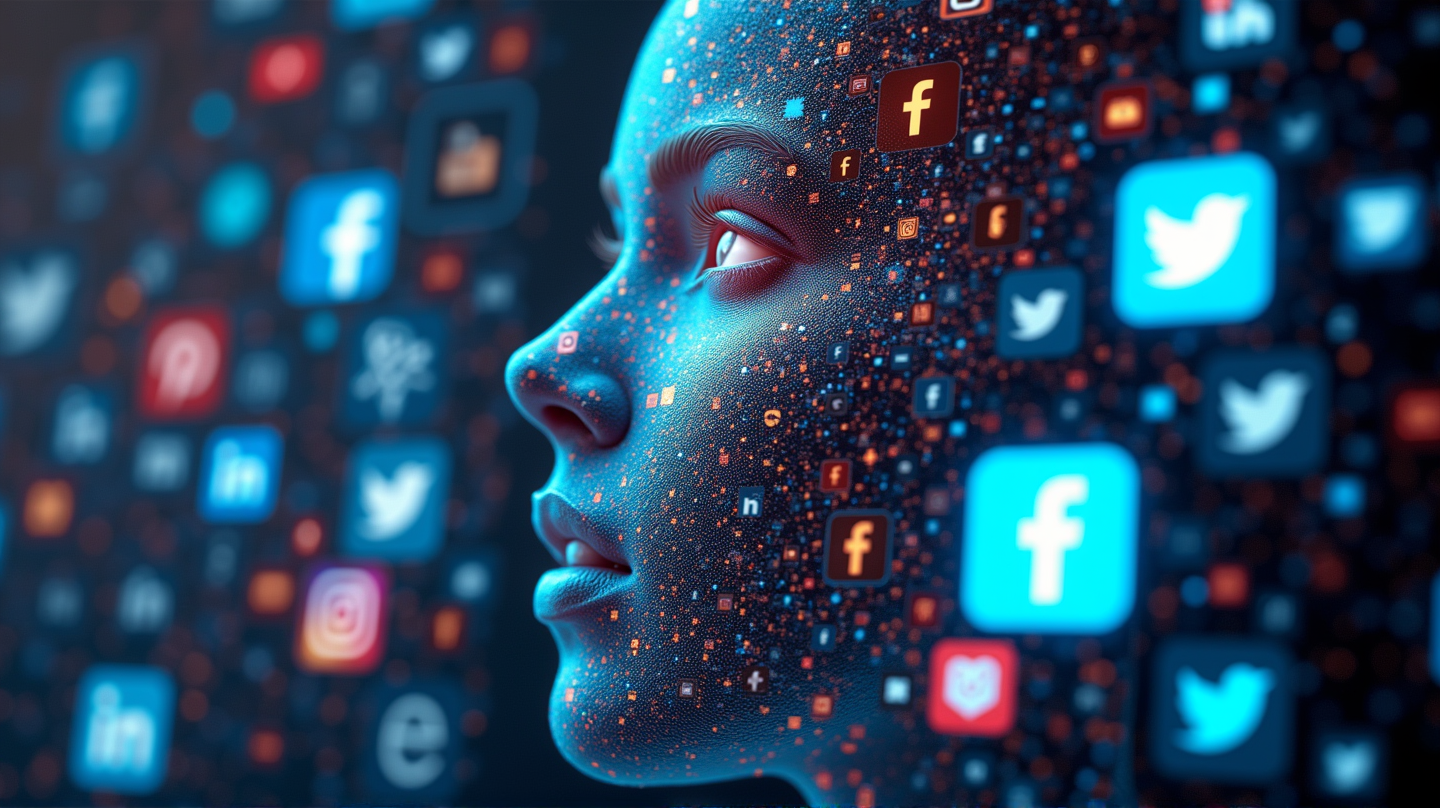
AI-powered content creation is rapidly altering the landscape of social media. Once a domain populated by user-generated authenticity and creativity, platforms like TikTok, YouTube, and Meta are now inundated with AI-produced, made-for-advertising (MFA) content. This shift poses substantial challenges for advertisers aiming to uphold brand integrity and maximize engagement.
The Rise of AI-Induced MFA Content
Generative AI’s capabilities have made producing content alarmingly cheap and quick. This efficiency has spurred an unprecedented surge in MFA materials, transitioning from obscure websites to the heart of social media. In this dynamic ecosystem, advertisers must remain vigilant to ensure their investments aren’t squandered on deceitful imitations masquerading as genuine creator contributions.
Advertiser Concerns: Waste and Trust
The infiltration of MFA content into social media isn’t just a superficial nuisance. It’s a pressing concern impacting brand safety, media quality, and ultimately, consumer trust. Advertisers find their budgets mistakenly channeled towards AI-generated content that lacks meaningful interaction and dilutes the shared cultural narrative.
The Core Issues
- Ineffective Engagement: Advertisers face dwindling returns as their content accompanies videos engineered for algorithm exploitation rather than consumer connection.
- Media Quality Erosion: Authentic creators are sidelined as AI-crafted content clogs digital real estate, diminishing overall media quality.
- Consumer Trust Erosion: Associating ads with shallow, misleading content can degrade brand reputation.
Social media platforms are acutely aware of these issues, yet their efforts alone may not suffice to stem the tide of AI spam. According to AdExchanger, advertisers must now partner with platforms to cultivate more discerning criteria for AI content.
Empowering Advertisers: Strategic Steps
For advertisers, the solution lies in proactive engagement and clear boundaries concerning the AI content their brands align with:
- Rigorous Verification: Beyond accepting platform reports, advertisers should incorporate third-party verification to ascertain where their ads appear.
- Defining AI Limits: Collaborate with brand-suitability specialists to draw clear lines between creative AI expressions and disruptive AI-manufactured junk.
- Smart Utilization of AI: Harness AI technological advancements judiciously, ensuring automation serves to enhance brand authenticity and quality.
Embracing the Inflection Point
The advertising world has navigated similar challenges during the initial growth of programmatic advertising, learning crucial lessons along the way. As AI content continues to rise, it’s vital for marketers to distinguish between value-added AI contributions and algorithm-manipulating MFA content. Only with precise definitions and robust verification can advertisers preserve trust, safeguard budgets, and thrive in this evolving AI-driven landscape.
In conclusion, advertisers who adapt swiftly by establishing meticulous standards and nurturing strategic collaborations will outpace competitors and captivate audiences with genuine, resonant content. The future of advertising depends not just on leveraging AI, but refining its application to uphold integrity and cultural enrichment. As stated in AdExchanger, preserving media authenticity in the AI era is not just a necessity, but an opportunity for brands to differentiate and elevate their voice amidst the digital cacophony.