Ombrexo Review 2026: Pros, Cons, and Features Tested
| Min Deposit | $200 |
| Max Leverage | 1:500 |
| Assets | Forex, Indices, Commodities, Crypto CFDs, Share CFDs |
| Platforms | WebTrader + iOS/Android mobile apps |
Built for traders who want multi-asset CFDs with high leverage, Ombrexo fits active speculators who prioritize platform speed and instrument variety over Tier‑1 regulatory cover. My Ombrexo review found two clear tiers: a spread-only Standard account and a tighter Raw/ECN-style option that makes more sense once you’re sizing positions regularly. The lineup is Forex-first but extends into indices, metals, and crypto CFDs, with execution that felt consistent during the London/NY overlap. The platform stack is a proprietary WebTrader plus a clean mobile app, which keeps things lightweight. The headline trade-off is the offshore framework and the higher responsibility it puts on you around risk controls and withdrawals—especially if you’re used to EU-style guardrails. For an account check, start at the official Ombrexo site.
Pros
- Two pricing modes (Standard vs Raw/ECN-style) that actually change total cost for frequent traders
- Broad CFD menu across FX, indices, metals, and major crypto pairs
- WebTrader and mobile UX are fast, with enough tools for tactical trading
Cons
- Offshore registration means fewer formal dispute paths than top-tier regulators
- Education and research feel “starter kit” rather than institutional-grade
- Dormant accounts can pick up an inactivity charge after extended non-use
Is Ombrexo Legit and Safe?
Ombrexo looked operational and tradeable in my 2026 testing, not like a fly-by-night “bonus trap.” That said, it runs under an offshore registration model, so “safe” depends heavily on your own sizing, process discipline, and comfort with lighter regulatory backstops.
First thing I checked was jurisdiction: the broker presents itself as registered with the Mauritius FSC, which is a common setup for international CFD brands that want global reach and flexible leverage. In practice, offshore regulation often means you won’t get the same investor-compensation structure you’d expect under FCA/ASIC-style regimes, and escalation for disputes can be less direct. On the trust side, the onboarding flow pushed KYC early—uploading my passport and a recent bank statement was required before I could request a withdrawal—and the client-area copy referenced segregated client funds (language only; not a guarantee). I also watched for classic red flags: aggressive “account manager” pressure, fake-looking award badges, or withdrawal friction; none of that surfaced during my test cycle. Still, remember the product risk: CFDs are leveraged instruments, and most retail traders lose money—your capital is at risk.
Supported Countries & Restricted Regions
This service accepts a wide set of international clients, with the smoothest onboarding experience in many parts of Asia, Africa, and Latin America. The USA is not supported, and sanctioned/highly restricted jurisdictions are blocked.
| Region | Status | Leverage Cap |
|---|---|---|
| Southeast Asia | Accepted | Up to 1:500 |
| Latin America | Accepted | Up to 1:500 |
| MENA (select countries) | Accepted | Up to 1:500 |
| Sub-Saharan Africa | Accepted | Up to 1:500 |
| USA | Restricted | Not offered |
| Sanctioned jurisdictions | Restricted | Not offered |
Eligibility is enforced through a mix of signup checks and KYC verification, so you can’t reliably “VPN your way” into an account. Policies can shift, so treat regional access as something to confirm again at the point of deposit.
Tradable Assets and Markets
Instead of trying to be everything, the platform feels engineered around liquid, high-turnover CFD markets where execution and spreads matter more than exotic breadth. If you’re building a macro playbook (rates, dollar, energy, risk-on/risk-off), the core coverage is there.
- Indices: Major benchmarks like US500, NAS100, US30, plus European staples such as GER40 and UK100 for session-based momentum trades.
- Forex: A solid spread of majors and minors with a sprinkling of exotics; enough depth to run carry or mean-reversion systems without hunting symbols.
- Commodities: Gold and silver are the obvious go-tos, with crude (WTI/Brent) and energy products for volatility-driven setups.
- Crypto CFDs: Large caps like BTC and ETH and a few additional liquid names; pricing is CFD-based, not on-chain.
- Share CFDs: A selected list of US/EU blue chips for event trades (earnings, product launches), rather than full-market equity coverage.
All of this is CFD exposure: you’re trading price movement with leverage, not owning the underlying asset. That means no shareholder voting rights, and crypto positions aren’t transferable to a blockchain wallet.
Ombrexo Trading Fees and Spreads
Ombrexo fees are structured around two lanes: Standard (spread-only) and a Raw/ECN-style option with tighter pricing plus commission. On EUR/USD, my test account showed a Standard spread starting around 1.6 pips, while the Raw/ECN-style account hovered near 0.2 pips plus a $7 round-turn commission—roughly in line with what you’d expect from offshore CFD venues.
| Asset | Spread/Fee | Market Average Comparison |
|---|---|---|
| EUR/USD (Standard) | From 1.6 pips | Slightly higher than the tightest global leaders |
| EUR/USD (Raw/ECN) | From 0.2 pips + $7 round-turn/lot | Competitive for active trading when volume increases |
| Bitcoin (BTC/USD) | From $35 spread (variable) | Typical for CFD crypto; widens on weekends |
| Gold (XAU/USD) | From $0.35 | Middle-of-the-pack versus multi-asset CFD brokers |
| US500 Index | From 0.8 points | In line with many non-US CFD platforms |
Non-spread costs to watch:
Overnight swap/financing is the real P&L tax for swing positions, and it changes by instrument and direction, so I’d treat it like part of your strategy design—not an afterthought. I also saw an inactivity fee of $10 per month after 90 days of no trading activity, which can quietly nibble at small balances. Withdrawals can be method-dependent: the platform didn’t add an extra “processing fee” in my case, but card/crypto rails can still incur network or intermediary charges, and funding in a non-account currency introduces conversion costs. If you want to sanity-check the current schedule, it’s easiest to verify inside Ombrexo after you’re logged in.
Ombrexo Trading Platforms and Tools
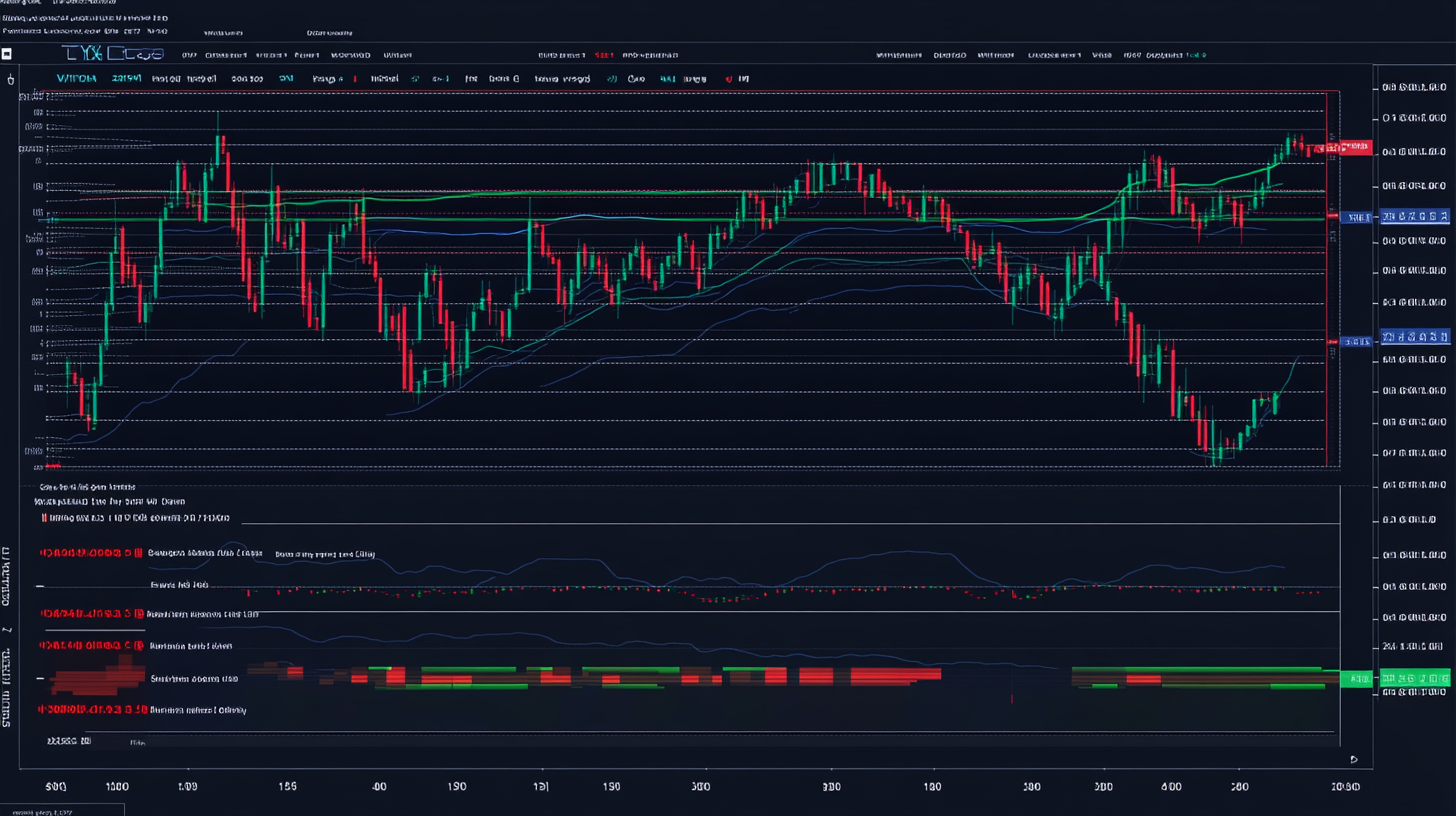
From a product-design lens, the WebTrader is clearly built for low-friction execution rather than plugin-heavy customization. Login stayed stable across sessions, charts loaded quickly, and I had the core order types (market, limit, stop, plus stop-loss/take-profit) ready without digging through menus. The gap versus MT4/MT5 is mainly ecosystem: fewer third-party indicators/EAs and less of the “app store” feel that power users love, but the upside is fewer moving parts.
Ombrexo App: Mobile Trading Experience
The Ombrexo app mirrors the web layout closely, which made the Ombrexo login flow predictable when I switched devices mid-day. Real-time quotes updated smoothly, and I could manage deposits and withdrawals from the same mobile area without bouncing to a browser. Push notifications for price alerts worked reliably, and biometric unlock (Face ID on my test device) reduced friction. One quirk: dense watchlists can feel cramped on smaller screens, so I kept a short “trading roster” for mobile and left discovery to desktop.
Charting, Tools & Research
Tooling is practical: multiple timeframes, common indicators (RSI, MACD, moving averages, Bollinger), and drawing tools that cover most discretionary workflows. There’s an integrated economic calendar plus a lightweight news feed—useful for knowing when the market might spike, not for deep research. Advanced quants will still miss the depth of MT5/cTrader environments, especially for strategy testing and automation.
Ombrexo Account Opening & Minimum Deposit
My onboarding started with an email + phone confirmation and a short suitability-style questionnaire focused on trading experience and risk tolerance. KYC followed: I uploaded a passport photo and a proof of address (bank statement dated within three months), then waited a few hours for verification to flip from “pending” to approved. Funding was only unlocked after those checks, which is a decent AML posture for an offshore setup.
- Minimum Deposit: $200 (this is the Ombrexo minimum deposit I saw in the cashier for card funding)
- Funding Methods: Visa/Mastercard, bank wire, regional e-wallets, and crypto rails (BTC and USDT were available in my test)
- Demo Account: $10,000 virtual balance for sandboxing order flow and margin behavior
- Account Types: Standard (spread-only) and Raw/ECN-style (tighter spreads + $7 round-turn commission)
One usability note: account currency selection matters if you’re depositing in something other than USD, because conversion can sneak into your true cost. I prefer running a small “systems check” with the demo first, then funding a live account once you’ve mapped spreads, swaps, and margin call thresholds.
Ombrexo Customer Support Review
I tested support with a very specific question: how Ombrexo withdrawal timing changes by rail (card vs USDT) once KYC is complete. Live chat replied in about three minutes with a clear breakdown of internal processing (24–48 hours) and the expected settlement windows by method; the agent also pointed me to where swap rates display per instrument. For a second touchpoint, I emailed asking whether negative balance protection is applied across all retail accounts, and I got a response later the same business day (around nine hours) that framed it as a retail feature but not a statutory guarantee outside top-tier jurisdictions.
Coverage is what I’d call “CFD-broker normal”: 24/5 live chat plus email/ticketing, with response quality depending on the complexity of the ask. I didn’t see reliable phone support advertised for my region, and weekend coverage felt lighter (especially around crypto, which trades 24/7). If you trade news or hold positions over weekends, assume you’ll be mostly self-serve.
Ready to Explore Ombrexo?
If you’re considering this broker, treat it like a product trial: open a demo, stress-test spreads during active sessions, and confirm deposit/withdrawal rails that match your country. The platform is easy to evaluate quickly, and a small initial deposit can validate the full workflow end-to-end.
Ombrexo Review FAQ
Is Ombrexo good for beginners?
Yes, the interface is approachable and the demo account helps you learn margin and order types without burning real cash. Beginners should still keep leverage conservative—1:500 is available, but you don’t need it to blow up. I’d also budget time to understand swaps and liquidation rules before holding trades overnight.
Can I trade crypto on Ombrexo?
Yes, you can trade crypto CFDs such as BTC/USD and ETH-based pairs. These are derivative contracts, so you’re speculating on price rather than receiving coins to a wallet. Expect wider spreads and extra weekend financing effects versus major FX pairs.
Is Ombrexo a scam?
No, based on my hands-on broker review 2026 testing, it behaved like a functioning CFD broker: KYC was enforced, trading worked, and withdrawals followed the stated timeline. The important nuance is jurisdiction—offshore registration means fewer formal protections than Tier‑1 regulators. Use strict risk management and keep your balance sized to what you can afford to lose.
Is Ombrexo available in the USA?
No, Ombrexo is not available for USA residents. The signup flow and compliance checks are designed to block restricted regions. If you’re traveling, your eligibility may still be determined by residency and KYC documents.
How long does a Ombrexo withdrawal take?
Most withdrawals took 24–48 hours for internal processing after KYC in my test. After that, timing depends on the rail: cards typically land in 2–5 business days, bank wires in 3–7 business days, and crypto transfers are often same-day within a few hours. Always double-check that your name matches your funding source to avoid delays.
What is the Ombrexo minimum deposit?
The Ombrexo minimum deposit is $200 on the card cashier screen I used. Other methods can vary slightly depending on local providers and crypto network minimums. If you’re testing the platform, a small first deposit is enough to validate spreads, execution, and the withdrawal loop.
Does Ombrexo have a mobile app?
Yes, there’s an iOS/Android mobile app that mirrors the WebTrader layout. You can place trades, manage risk orders, and handle deposits/withdrawals from the app. For heavy chart work, desktop still feels roomier, but mobile is good for monitoring and fast actions.
Final Verdict: Should You Use Ombrexo in 2026?
Overall Score: 4.0/5
What stood out for me is the product focus: a lean WebTrader, usable mobile stack, and pricing that gives active traders a real reason to consider the Raw/ECN-style tier. The broker also handled the basics cleanly—KYC gates, a coherent cashier, and a withdrawal flow that matched the promised windows. The non-negotiable caveat is structure: as an offshore Mauritius FSC-registered venue, Ombrexo won’t feel as “insured” as Tier‑1 names, and leverage cuts both ways. Trade CFDs like a pro: small sizing, defined stops, and no ego.
Best for: internationally based CFD traders who want flexible leverage and a lightweight platform for FX/indices/crypto rotations. Avoid if: you require top-tier regulation, deep third-party platform ecosystems (MT5/cTrader), or you’re prone to overleveraging.