Quotavìgor Trading Platform Alternatives 2026: Reliable Options for Online Traders
Leverage is a seductive product feature: it compresses time, magnifies conviction, and—when you’re wrong—accelerates regret. That’s why the first question I ask when someone mentions an offshore CFD venue isn’t “what’s the spread?” It’s “what’s the safety envelope?” Quotavìgor appears to sit in that offshore/unregulated bucket (commonly associated with jurisdictions like Seychelles), typically offering a proprietary WebTrader and mobile app aimed at fast onboarding and broad access to forex and CFDs. Based on what’s commonly observed in this segment, you’ll often see a minimum deposit around $250, headline leverage up to 1:500, and a EUR/USD spread that can land near ~2.0 pips on a standard-style account.
For some traders, that’s “good enough” until it isn’t. The moment you care about execution model transparency (market maker vs STP/ECN/DMA), want investor-protection frameworks like FSCS or CySEC’s ICF, or need deeper tooling (MT4/MT5/cTrader, API workflows, better reporting), you start mapping out Quotavìgor alternatives. This guide is built for 2026 realities: tighter regulatory scrutiny in the EU/UK, broker platform consolidation, and the rising importance of audit trails for taxes, risk, and compliance. We’ll walk through what Quotavìgor likely offers, what gaps tend to appear, and which regulated brokers can be smarter counterparts—without turning this into a hype deck.
Disclaimer: This article is for informational purposes only and does not constitute investment advice. Trading leveraged products (including CFDs) involves a high risk of loss and may not be suitable for all investors.
Key Takeaways (TL;DR)
- Offshore-style platforms can advertise high leverage (often up to ~1:500), but investor protection and dispute resolution typically look very different than FCA/ASIC/CySEC/NFA venues.
- Compare costs using an all-in, round-turn lens (spread + commission + swap) rather than a single “from 0.0 pips” headline.
- If you want real stocks/ETFs (not stock CFDs), start your shortlist with multi-asset brokers like IBKR or Saxo Bank.
- Switching is a process: complete KYC at the new broker first, then unwind old positions, withdraw via the original funding rails, and only scale capital after testing execution and withdrawals.
What Is Quotavìgor and How Does Its Trading Platform Work?
In practice, Quotavìgor presents as a CFD-first trading venue built around forex and index/commodity CFDs, with crypto CFDs often included for trend-chasing exposure. The setup is typically optimized for speed to first trade: streamlined account opening, a web-based terminal, and a mobile app that covers the basics. Traders who mainly want directional bets with leverage can find that appealing, but the trade-off is usually less clarity around governance: offshore frameworks (often linked to places like Seychelles) generally don’t mirror the protections you’d expect from FCA, ASIC, CySEC, or the NFA.
For investors used to institution-grade rails—segregated client money practices, robust best-execution policies, and transparent product governance—brokers similar to Quotavìgor can feel lightweight. That doesn’t automatically make them “bad,” but it does shift more responsibility onto the trader: monitoring margin, managing counterparty risk, and documenting everything for compliance and taxes.
Quotavìgor Web Trading Platform: Core Features and Tools
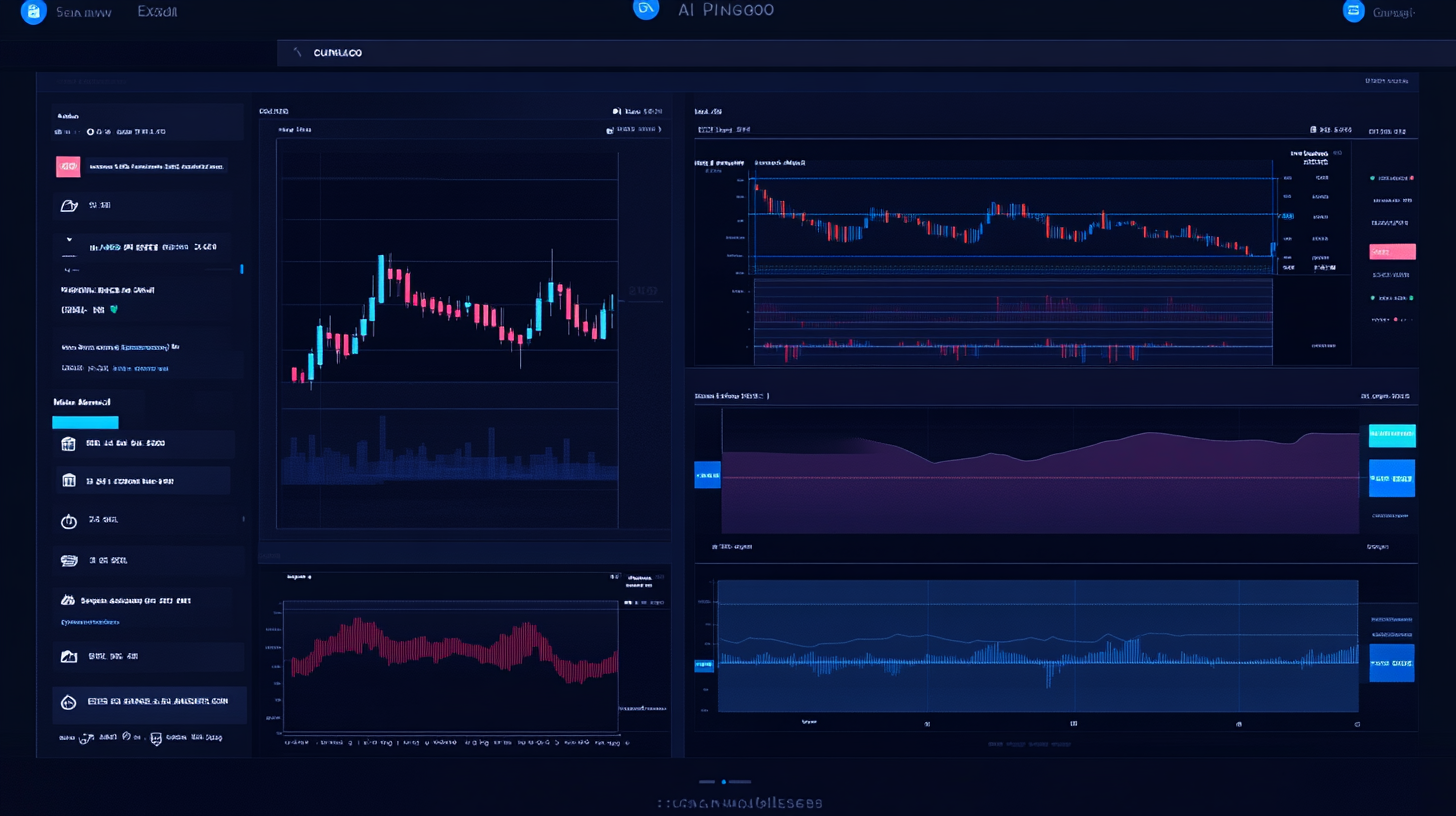
The Quotavìgor platform stack is usually positioned around a proprietary WebTrader paired with iOS/Android apps, designed to be approachable rather than deeply programmable. Expect functional charting with a standard set of indicators and drawing tools, plus basic order controls (market/limit/stop) and a watchlist-driven workflow. Execution “feels” fast in calm markets, but in the CFD world the real test is slippage during volatility and how orders are handled around news spikes. Mobile parity tends to be decent for monitoring, adjusting stops, and managing positions, while heavier analysis still leans on desktop screens.
One practical tell: the more your edge depends on automation—EAs, custom indicators, advanced order management—the more you’ll value MT4/MT5 or cTrader support and detailed execution reporting that proprietary terminals don’t always prioritize.
Trading Fees, Spreads, and Account Types at Quotavìgor
Cost structure in this category generally centers on a spread-only “Standard” account, with EUR/USD often landing around ~2.0 pips in typical conditions. Some brokers in the same segment advertise a tighter, raw-style tier where spreads can compress toward 0.0–0.4 pips, then add a commission (commonly in the neighborhood of $5–$8 round-turn per standard lot). Beyond the headline, look for the quiet fees: swap/overnight financing (especially on indices and crypto CFDs), potential withdrawal charges depending on method, and inactivity fees if you step away for a quarter.
Those details matter because the most expensive trade is the one you didn’t price correctly: a “free” platform with wide spreads can cost more than a commission model once you scale volume.
When Do Traders Start Looking for Quotavìgor Alternatives?
Strategy maturity is usually the trigger. The first month is often about “can I place trades?” Month six becomes “can I trust my fills, reconcile my statements, and manage risk at scale?” That’s where Quotavìgor alternatives enter the conversation—especially if your priorities shift from high leverage to predictable execution, transparent governance, and clean reporting. For US/EU traders, the regulatory wrapper is not a footnote; it’s the architecture that determines what happens when something breaks (slippage disputes, chargebacks, or withdrawal friction).
Sometimes the catalyst is simple math: a 1–2 pip difference in all-in FX costs can overwhelm your expected edge if you trade frequently. Other times, it’s operational: you want better KYC/AML clarity, or you need a broker that’s comfortable with professional-grade workflows.
- You need MT4/MT5 or cTrader because your process uses EAs, custom indicators, or systematic backtesting workflows.
- Your trading journal shows execution drift (slippage around news, stop fills that surprise you), and you want clearer best-execution policies.
- You’re trying to buy real shares/ETFs for long-term exposure—without the constraints of stock CFDs (no shareholder rights, different financing mechanics).
- Withdrawals become unpredictable (extra verification loops, changing payment rails), and you want a broker with stronger operational transparency.
How to Choose a Reliable Alternative to the Quotavìgor Trading Platform
Think of broker selection like choosing cloud infrastructure: you’re not paying for a UI, you’re paying for reliability under stress. Regulated options vs Quotavìgor tend to win on governance, reporting, and investor protections—but you still need fit-to-strategy. Build a shortlist, then score each broker on safety, instruments, total cost, platform stack, and execution quality. That’s how you avoid optimizing for the wrong variable.
Regulation, Safety, and Investor Protection
Start with the regulator’s public register—FCA (UK), ASIC (Australia), CySEC (Cyprus/EU), or NFA/CFTC (US FX)—and confirm the exact legal entity. Under FCA oversight, the FSCS can cover eligible clients up to £85,000 in certain failure scenarios; under CySEC, the ICF can cover eligible claims up to €20,000. Also check whether the broker states segregated client funds and negative balance protection (common in the UK/EU retail context). That scaffolding is a major differentiator versus offshore structures.
Available Markets and Instruments
Match the instrument set to your actual objectives. If your plan includes owning equities/ETFs, you’ll want a multi-asset venue with access to exchanges—not just stock CFDs. If you’re FX-first, deep liquidity and robust margining can matter more than a long menu of symbols. Options and futures are a separate category entirely: they require different permissions, disclosures, and a platform built for derivatives workflows. Crypto exposure is another fork—CFD price exposure isn’t the same as on-chain ownership.
Trading Costs: Spreads, Commissions, and Other Fees
Ignore “from” pricing and compute the round-turn: spread + commissions + expected slippage + swap. For example, a raw account at ~0.1–0.3 pips plus a $6–$7 round-turn commission can be cheaper than a spread-only account at ~1.2–1.8 pips once you trade size. Add the less obvious line items: overnight financing, guaranteed stop premiums (where offered), data fees for certain markets, and inactivity charges. Cost is a system, not a sticker.
Platforms, Tools, and Execution Quality
Platform choice is really a workflow choice. MT4/MT5 and cTrader are popular for automation, custom tooling, and standardized trade logs; proprietary terminals can be clean but less extensible. Execution model matters too: market maker setups may internalize flow, while STP/ECN/DMA-style routing focuses on external liquidity and can change your slippage profile. If you’ve been trading on Quotavìgor, replicate a few core strategies on a demo or micro size first and compare fills during the same market windows.
Support, Education, and Overall User Experience
When something goes wrong, response time becomes a cost. Look for 24/5 (or broader) support coverage, multilingual service if you’re in the EU, and documented escalation paths for disputes. Education should be practical—margin call mechanics, swap math, platform tutorials—not motivational content. Finally, evaluate mobile parity: can you manage risk (stops, position sizing, margin monitoring) from your phone without guessing? UX isn’t fluff; it’s operational resilience.
Quotavìgor and Different Asset Classes: When Alternatives May Be Better
Quotavìgor Forex and CFD Trading
In the offshore CFD tier, the headline pitch is usually leverage (often up to ~1:500) plus “easy” access to FX majors and popular indices. Quotavìgor likely fits that mold: around 30–50 FX pairs, a handful of commodities, and a core set of index CFDs. The question for 2026 isn’t whether you can click buy/sell—it’s whether your expected edge survives the full stack of costs and execution behavior. A ~2.0 pip EUR/USD spread can be workable for swing trading, but it’s heavy for high-frequency styles once you account for round-turn friction.
If you want a more institutional feel, Pepperstone and IC Markets are often chosen by traders who care about tight pricing and platform flexibility (MT4/MT5/cTrader). For a broader, heavily regulated CFD venue with robust tooling and disclosures, IG is a common reference point in the UK/EU ecosystem. The core advantage of these regulated alternatives isn’t “more leverage”; it’s clearer rules of the road when markets gap, margin tightens, or a dispute lands in your inbox.
Quotavìgor Stock and ETF Trading
Here’s the gap that surprises newer traders: “stock trading” inside CFD venues frequently means stock CFDs, not ownership of the underlying shares. That means no voting rights, different financing mechanics, and a product that behaves more like a leveraged bet than an investment position. Quotavìgor is unlikely to be the best home for long-duration exposure to US/EU equities or ETF allocations if your goal is to actually hold assets, collect dividends in the normal way, and access a deep universe of tickers.
Interactive Brokers (IBKR) is the obvious closer for real multi-market access—stocks, ETFs, options, futures, bonds, and FX—especially if you’re building a barbell between long-term holdings and tactical hedges. Saxo Bank is another strong alternative for multi-asset investors who want a polished platform and broad market coverage under well-known regulators. If your “platforms like Quotavìgor” shortlist doesn’t include at least one real multi-asset broker, you may be solving the wrong problem.
Quotavìgor Crypto Trading
Crypto inside CFD-first brokers is typically exposure to price moves via crypto CFDs—useful for short-term trading, but not the same as owning coins on-chain or moving assets to a wallet. That distinction matters: with CFDs, you’re taking counterparty exposure to the broker and the derivative contract terms (including weekend pricing, spreads, and financing). Quotavìgor likely offers a menu of roughly 10–30 crypto CFD symbols, but the real variables are spreads during volatility and how margin rules change when the market gets jumpy.
For regulated crypto CFD access in the CFD universe, IG and Plus500 are frequently used in regions where those products are permitted, with strong disclosures and risk controls compared with offshore venues. If crypto is a sidecar to FX/indices, these can be cleaner substitutes for Quotavìgor than an unregulated provider. If crypto is your core strategy, consider whether CFDs are even the right wrapper—many serious participants separate trading exposure from custody and keep risk compartments distinct.
Best Quotavìgor Alternatives for 2026: Comparison of Top Trading Platforms
Interactive Brokers (IBKR): Key Facts and How It Compares to Quotavìgor
Regulation: SEC/FINRA (US), FCA (UK), IIROC (Canada)
Markets: Stocks, ETFs, options, futures, FX, bonds
Fees: FX spreads can be very tight on major pairs (often well below 1 pip in liquid hours) with commission-based pricing; equities pricing varies by venue and plan
Platform: Trader Workstation (TWS), IBKR Mobile, Client Portal API tools
Best For: Multi-asset investors who want real market access and pro-grade tooling
Pepperstone: Key Facts and How It Compares to Quotavìgor
Regulation: FCA (UK), ASIC (Australia), CySEC (EU), DFSA (UAE)
Markets: FX, CFDs (indices, commodities, some crypto CFDs depending on region)
Fees: Standard spreads often around ~1.0+ pip on EUR/USD; Razor/Raw-style pricing commonly pairs ~0.0–0.3 pip spreads with a commission (varies by platform/region)
Platform: MT4, MT5, cTrader, TradingView integration (where available)
Best For: Systematic FX/CFD traders optimizing for platform choice and execution
IG: Key Facts and How It Compares to Quotavìgor
Regulation: FCA (UK), ASIC (Australia), MAS (Singapore)
Markets: CFDs (FX, indices, commodities, shares), spread betting (UK)
Fees: Typical FX spreads often start around ~0.6+ pips on major pairs in normal conditions; share CFD pricing varies by market
Platform: IG Trading Platform, MT4 (in supported regions)
Best For: Risk-aware CFD traders who want strong disclosures and broad market coverage
Saxo Bank: Key Facts and How It Compares to Quotavìgor
Regulation: FCA (UK), MAS (Singapore), DFSA (UAE)
Markets: Stocks, ETFs, options, futures, FX, bonds, CFDs
Fees: Pricing depends on tier and product; FX spreads on majors can be competitive (often around ~0.8 pips or lower on tighter tiers), with commissions on many exchange-traded products
Platform: SaxoTraderGO, SaxoTraderPRO
Best For: Global portfolio builders who trade across exchanges and derivatives in one account
OANDA: Key Facts and How It Compares to Quotavìgor
Regulation: CFTC/NFA (US), FCA (UK), ASIC (Australia), IIROC (Canada)
Markets: FX (and CFDs in certain jurisdictions)
Fees: Spreads vary by pair and region, commonly around ~1.0+ pip on EUR/USD in standard pricing; commissions may apply on certain account types
Platform: OANDA web/mobile, MT4 (supported regions), API access (availability varies)
Best For: FX-first traders who value transparent pricing and strong regulatory footprint
Plus500: Key Facts and How It Compares to Quotavìgor
Regulation: FCA (UK), CySEC (EU), ASIC (Australia), MAS (Singapore)
Markets: CFDs (FX, indices, commodities, shares, some crypto CFDs depending on region)
Fees: Primarily spread-based pricing; typical spreads vary by instrument and volatility (major FX often from around ~0.6+ pips)
Platform: Plus500 proprietary WebTrader and mobile apps
Best For: UI-driven traders who want a simple, regulated CFD experience
Comparison Summary
| Platform | Regulation | Main Markets | Typical Costs | Best For |
|---|---|---|---|---|
| Interactive Brokers (IBKR) | SEC/FINRA, FCA, IIROC | Stocks/ETFs, options, futures, FX, bonds | Commission-based; tight FX pricing in liquid hours | Multi-asset investors who want real market access and pro-grade tooling |
| Pepperstone | FCA, ASIC, CySEC, DFSA | FX, CFDs (indices/commodities; some crypto CFDs) | Standard ~1.0+ pip; Raw ~0.0–0.3 pip + commission | Systematic FX/CFD traders optimizing for platform choice and execution |
| IG | FCA, ASIC, MAS | CFDs across FX/indices/commodities/shares | FX spreads often from ~0.6+ pips; product-dependent fees | Risk-aware CFD traders who want strong disclosures and broad market coverage |
| Saxo Bank | FCA, MAS, DFSA | Stocks/ETFs, options, futures, FX, bonds, CFDs | Tiered pricing; FX spreads often ~0.8 pips or lower on tighter tiers | Global portfolio builders who trade across exchanges and derivatives in one account |
| OANDA | CFTC/NFA, FCA, ASIC, IIROC | FX (plus CFDs in some regions) | Often ~1.0+ pip on EUR/USD in standard pricing; varies by region | FX-first traders who value transparent pricing and strong regulatory footprint |
| Plus500 | FCA, CySEC, ASIC, MAS | CFDs (FX/indices/commodities/shares; some crypto CFDs) | Spread-based; majors often from ~0.6+ pips | UI-driven traders who want a simple, regulated CFD experience |
How to Safely Move from Quotavìgor to Another Broker
Switching brokers is less “account transfer” and more “controlled cutover,” like migrating production systems without downtime. You’re managing counterparty exposure, operational risk, and the very real possibility that markets move while you’re mid-transition. Keep position risk small during the handoff, and treat every step as reversible until funds land in the new account. If you’re exiting Quotavìgor, prioritize documentation and withdrawal hygiene over speed.
- Confirm the new broker’s exact legal entity on the regulator’s site (FCA Register, ASIC Connect, CySEC listings, or NFA BASIC) before you upload documents or fund an account.
- Open the new account and complete KYC/AML verification first (government ID + proof of address). Many reputable brokers clear this within about one business day, but plan for delays.
- Recreate your watchlists, sizing rules, and risk limits on the new platform in demo mode, then place a few small live trades to observe spreads, slippage, and stop behavior.
- Close open positions at the old broker rather than assuming any transfer mechanism. Most retail brokers do not port positions between firms; you typically exit and re-enter.
- Withdraw funds using the same payment method you used to deposit wherever possible. That’s a common AML constraint, and it reduces back-and-forth with support.
- Export statements, trade history, and funding records for taxes and audit trails before you deactivate anything. Future-you will thank you when reconciliation season hits.
Ready to Explore Quotavìgor?
If you’re still evaluating your options, review the current onboarding flow, product list, and regional eligibility directly—then compare it against the regulated substitutes above on execution, fees, and investor protections. The goal isn’t to “pick a platform,” it’s to pick the risk framework you can live with.
FAQ: Quotavìgor Alternatives and Trading Platforms
What is the best alternative to Quotavìgor in 2026?
The best alternative depends on whether you want real multi-asset access or mainly FX/CFDs. For real stocks/ETFs plus options and futures, Interactive Brokers (IBKR) is usually the strongest step up; for FX/CFDs with MT4/MT5/cTrader, Pepperstone is a common choice. If you prefer a regulated, broad CFD lineup with strong disclosures, IG is often a good match for EU/UK traders.
Is Quotavìgor a safe broker/platform?
Quotavìgor appears to operate under an offshore framework commonly associated with jurisdictions like Seychelles rather than top-tier regulators such as the FCA, ASIC, CySEC, or NFA. That doesn’t automatically imply fraud, but it typically means weaker investor-protection mechanisms (for example, no FSCS-style coverage) and less formal dispute resolution. If safety is your priority, focus your shortlist on regulated options vs Quotavìgor and verify the broker’s entity on the regulator’s public register.
Can I trade stocks, futures, or crypto with Quotavìgor?
With Quotavìgor, exposure is most likely centered on forex and CFDs, with crypto often offered as crypto CFDs rather than on-chain ownership. Stocks and ETFs, if available, are typically offered as CFDs (not direct exchange ownership), and futures access is generally not a core feature in this category. If you need real stocks/ETFs and listed futures, Interactive Brokers or Saxo Bank are better-aligned alternatives.
What should I check before switching from Quotavìgor to another platform?
Before switching, verify the new broker’s regulator and legal entity, then complete KYC so you’re not stuck mid-withdrawal. Next, compare round-turn costs (spread + commission + swap) and test execution with small trades to observe slippage and stop fills. Finally, export statements and funding records from Quotavìgor so your tax and performance reporting stays intact.
About the Author: Michael Chang is a Stanford-trained CS+MBA investor and former active trader who covers markets like a systems problem: incentives, plumbing, and failure modes. He focuses on how platform design, execution quality, and regulation shape real-world outcomes for traders across the US and Europe.