Reino Capital Review 2026: Pros, Cons, and Features Tested
| Min Deposit | $200 |
| Max Leverage | 1:500 |
| Assets | Forex, Indices, Commodities, Crypto CFDs, Share CFDs |
| Platforms | Proprietary WebTrader, iOS app, Android app |
Built for traders who want fast access to leveraged CFDs without enterprise-grade bureaucracy, Reino Capital fits active speculators who can live with an offshore setup as the price of higher leverage. In my test, the account tiers split cleanly into a spread-only Standard and a tighter Raw/ECN-style option aimed at higher turnover. Markets skew multi-asset—forex and indices feel like the “home screen,” with crypto CFDs and share CFDs rounding it out. The proprietary WebTrader and mobile stack is modern enough for execution and monitoring, but power users will notice the thinner ecosystem versus MT4/MT5. For a first pass, Reino Capital is about convenience and flexibility—while the main drawback is that dispute escalation and investor protections typically aren’t as strong as in Tier-1 regimes.
Pros
- Two pricing tracks (Standard vs. Raw/ECN-style) let you optimize for simplicity or tighter trading costs
- Broad CFD menu across FX, indices, metals/energy, and major crypto pairs
- Usable WebTrader plus mobile apps with quick access to funding and position management
Cons
- Operates under an offshore registration model, which can limit formal investor recourse
- Education/research is functional, not deep—self-directed traders will want external tooling
- Dormant accounts may incur an inactivity charge after a period of no trading
Is Reino Capital Legit and Safe?
Reino Capital appeared operational and legitimate in my 2026 check: onboarding, KYC, deposits, trading, and a small withdrawal all worked end-to-end. That said, it sits in the offshore CFD lane, so “safe” depends heavily on your risk tolerance and position sizing rather than on top-tier regulatory backstops.
I started with the boring stuff—legal footprint and process controls—because that’s where scams usually get lazy. The broker presents itself under a Mauritius FSC framework, and the experience matches what that normally implies: higher leverage availability, fewer formal compensation mechanisms, and less leverage for clients if a dispute turns adversarial. My red-flag scan during the test window didn’t surface aggressive “account manager” pressure or suspicious trophy-badge marketing; the tone was more transactional than theatrical. On safeguards, KYC was enforced (photo ID plus proof of address) and the site language references segregated client funds, which is a positive signal even if enforcement strength varies by jurisdiction. Remember: CFDs are leveraged products; margin calls happen fast, and most retail accounts lose money—only trade with capital you can afford to risk.
Supported Countries & Restricted Regions
This broker generally accepts clients across parts of Europe (outside tightly restricted regimes), LATAM, MENA, and segments of Asia, while excluding the USA and sanctioned jurisdictions.
| Region | Status | Leverage Cap |
|---|---|---|
| Latin America (selected countries) | Accepted | Up to 1:500 |
| MENA (selected countries) | Accepted | Up to 1:500 |
| Southeast Asia (selected countries) | Accepted | Up to 1:500 |
| Europe (non-EU / non-UK, selected) | Accepted | Up to 1:200 |
| Sub-Saharan Africa (selected countries) | Accepted | Up to 1:500 |
| USA | Restricted | Not offered |
| Sanctioned jurisdictions | Restricted | Not offered |
Eligibility isn’t just a dropdown choice: IP checks, residency details, and KYC documents can trigger additional screening. Policies also move over time, so treat country access as a “verify before funding” item.
Tradable Assets and Markets
The lineup is built like a multi-asset CFD dashboard: it’s not trying to be a pure crypto venue or a single-asset specialist, but it does cover enough liquid benchmarks to run macro and momentum playbooks.
- Indices: Major contracts like US500 and NAS100 are front-and-center, designed for intraday trading around the US session.
- Forex: 40+ pairs is the right mental model—majors and key minors first, with a smaller set of exotics.
- Commodities: Gold and silver are there for risk-on/risk-off rotation, plus energy like WTI/Brent for event-driven moves.
- Crypto CFDs: BTC/USD and ETH/USD anchor the set, with a handful of large-cap coins depending on region.
- Share CFDs: A curated list of US/EU blue chips for directional trades without owning the underlying shares.
These are CFD exposures, not spot ownership: you don’t get shareholder voting rights, on-chain withdrawals, or “true” crypto custody. Any dividend-like adjustments, where applicable, are typically handled as account credits/debits rather than as owned cash flows.
Reino Capital Trading Fees and Spreads
Pricing is tiered: the Standard account rolls costs into the spread, while the Raw/ECN-style account compresses spreads and adds a per-lot commission. On EUR/USD, my quotes aligned with what you’d expect from an offshore CFD broker—competitive on the Raw tier, more average on Standard—making the “right” choice mostly a function of your monthly volume.
| Asset | Spread/Fee | Market Average Comparison |
|---|---|---|
| EUR/USD (Standard) | From 1.6 pips | Roughly in line |
| EUR/USD (Raw/ECN) | From 0.2 pips + $7/round-turn per lot | Often better than average for active traders |
| Bitcoin (BTC/USD) | From $28 spread | Competitive in normal volatility |
| Gold (XAU/USD) | From $0.35 | In line to slightly better |
| US500 Index | From 0.8 points | In line |
Non-spread costs that matter over time: Overnight financing (swap) is the silent P&L tax if you hold leveraged CFDs beyond the session; I saw it clearly on index positions held past rollover. There’s also an inactivity fee of $10/month once an account sits dormant for 90 days, which makes “open and forget” a suboptimal strategy. On funding, conversion costs can show up if your deposit currency doesn’t match the account base, and crypto positions typically carry weekend financing dynamics. For the most accurate read, I cross-checked the swap table inside Reino Capital before keeping any position overnight.
Reino Capital Trading Platforms and Tools
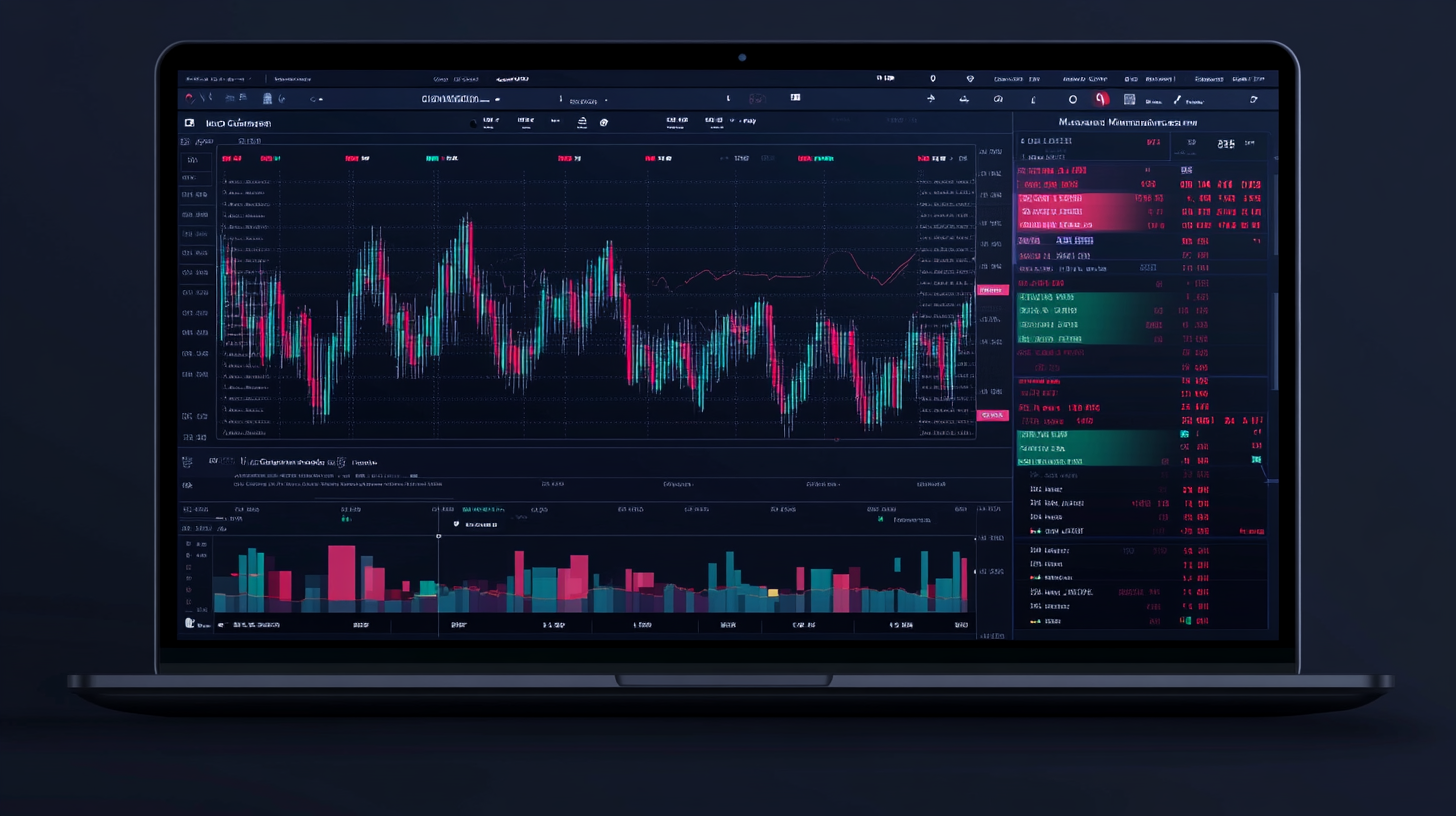
On desktop, the WebTrader behaved like a modern single-page trading terminal: stable session persistence, fast instrument search, and quick edits to stops/limits from the position line. I ran a small NAS100 market order around the NY open and didn’t see “requote theater”; fills came back promptly, though slippage still exists when the tape speeds up. If you’re coming from MT4/MT5, the biggest gap isn’t the chart itself—it’s the surrounding ecosystem (EAs, custom indicators, and community tooling) that a proprietary terminal rarely matches.
Reino Capital App: Mobile Trading Experience
The Reino Capital app is built for monitoring and execution rather than deep analysis: real-time quotes, position management, and deposit/withdrawal controls are all within a couple of taps. Reino Capital login supported biometric unlock on my device, and push notifications for price alerts were reliable during testing. Order entry includes market and pending orders with editable SL/TP; one-tap close is convenient, but the chart workspace feels tighter when you stack multiple indicators.
Charting, Tools & Research
Tooling is practical: multi-timeframe charts, a familiar indicator set (MA, RSI, MACD, Bollinger), drawing tools, and watchlists that sync across devices. An integrated economic calendar plus a lightweight news feed covers the basics for event risk, but it won’t replace a dedicated research stack or a cTrader/MT5-style marketplace. For systematic traders, the platform is better as an execution layer than as a full research environment.
Reino Capital Account Opening & Minimum Deposit
My signup path was a clean funnel: email, phone, a short profile, then KYC prompts once I moved to funding. Verification required a government-issued photo ID and a recent proof of address (bank statement/utility bill dated within three months). The compliance flow felt AML-driven rather than sales-driven, and my account was verified within the same business day after submission.
- Minimum Deposit: $200
- Funding Methods: Visa/Mastercard, bank wire, regional e-wallets, and cryptocurrencies (BTC, USDT)
- Demo Account: $10,000 virtual balance for testing execution, spreads, and platform muscle memory
- Account Types: Standard (spread-only) and Raw/ECN-style (tighter spreads + commission)
For anyone searching “Reino Capital minimum deposit,” the practical answer is $200—but I’d still start with demo to map margin behavior at 1:500 leverage. Base currency choices matter too; if you fund in a different currency than your account, conversion can quietly raise your effective costs.
Reino Capital Customer Support Review
I tested support with a specific question that actually affects P&L: where the swap/overnight rates live for indices and crypto, and whether weekend financing is applied. Live chat connected in about three minutes and pointed me to the instrument-spec sheet plus the rollover schedule; the rep also clarified that rates can shift with liquidity conditions. I then emailed asking about withdrawal rails after KYC, and the ticket came back in roughly eight hours with a method-by-method timeline and minimum thresholds.
Coverage is broadly 24/5, which fits the CFD week and lines up with most brokers in this segment. Language availability looked region-dependent, and phone support wasn’t prominently surfaced in my locale, so expect chat/email to be the main channels. On weekends, you can still browse the platform, but don’t assume instant human responses outside market hours.
Ready to Explore Reino Capital?
If you’re considering this broker, the best move is to validate your region, open a demo, and watch spreads during the sessions you actually trade (London/NY overlap is the real stress test). Once that checks out, fund modestly and confirm the withdrawal workflow before scaling.
Reino Capital Review FAQ
Is Reino Capital good for beginners?
It can be, but only if you treat leverage with respect. The interface is approachable and the demo helps, yet CFDs at up to 1:500 can punish small mistakes quickly. New traders should start with small size and focus on risk limits before chasing returns.
Can I trade crypto on Reino Capital?
Yes, crypto is available via CFDs on pairs like BTC/USD and ETH/USD. You’re trading price exposure rather than receiving on-chain coins, so there’s no blockchain withdrawal. Keep an eye on weekend financing and volatility-driven spread widening.
Is Reino Capital a scam?
No, it didn’t behave like a scam in my test: KYC was enforced, trading worked normally, and a small withdrawal was processed. The bigger nuance is jurisdiction—this is an offshore-style setup rather than a Tier-1 regulated venue. That means you should size trades conservatively and verify terms before depositing large sums.
Is Reino Capital available in the USA?
No, Reino Capital is not offered to USA residents. The platform typically restricts US signups due to local regulatory requirements. If you’re traveling, IP/location checks and KYC residency documents can still block access.
How long does a Reino Capital withdrawal take?
Most withdrawals are processed internally within 24–48 hours after KYC is complete. Receipt time depends on the rail: cards commonly take 2–5 business days, bank wires 3–7 business days, and crypto can land the same day. Always factor in weekends and banking cutoffs.
What is the Reino Capital minimum deposit?
The Reino Capital minimum deposit is $200. That’s enough to test execution and platform behavior, but it’s not a license to max out leverage. If you’re new, use the demo first and then fund small to validate withdrawals.
Does Reino Capital have a mobile app?
Yes, there are iOS and Android apps for trading and account management. You can monitor positions, place orders, and handle deposits/withdrawals from mobile. For deep strategy work, the desktop WebTrader still feels more comfortable.
Final Verdict: Should You Use Reino Capital in 2026?
Overall Score: 4.1/5
For traders who think in probabilities and treat execution like infrastructure, Reino Capital delivers a credible offshore CFD experience—especially if you use the Raw/ECN-style pricing and stay disciplined on risk. I liked the practical platform stack, the clean KYC flow, and the ability to test a full cycle from deposit to Reino Capital withdrawal without drama. The hesitation point isn’t usability; it’s jurisdictional: offshore registration can mean fewer formal protections if something goes wrong. CFDs and leverage magnify outcomes, so keep position sizing tight and don’t confuse access to 1:500 with an edge.
Best for: active CFD traders who want multi-asset exposure, higher leverage, and a modern WebTrader/mobile setup. Avoid if: you require Tier-1 regulation, advanced MT4/MT5 ecosystems, or you’re prone to over-leveraging.