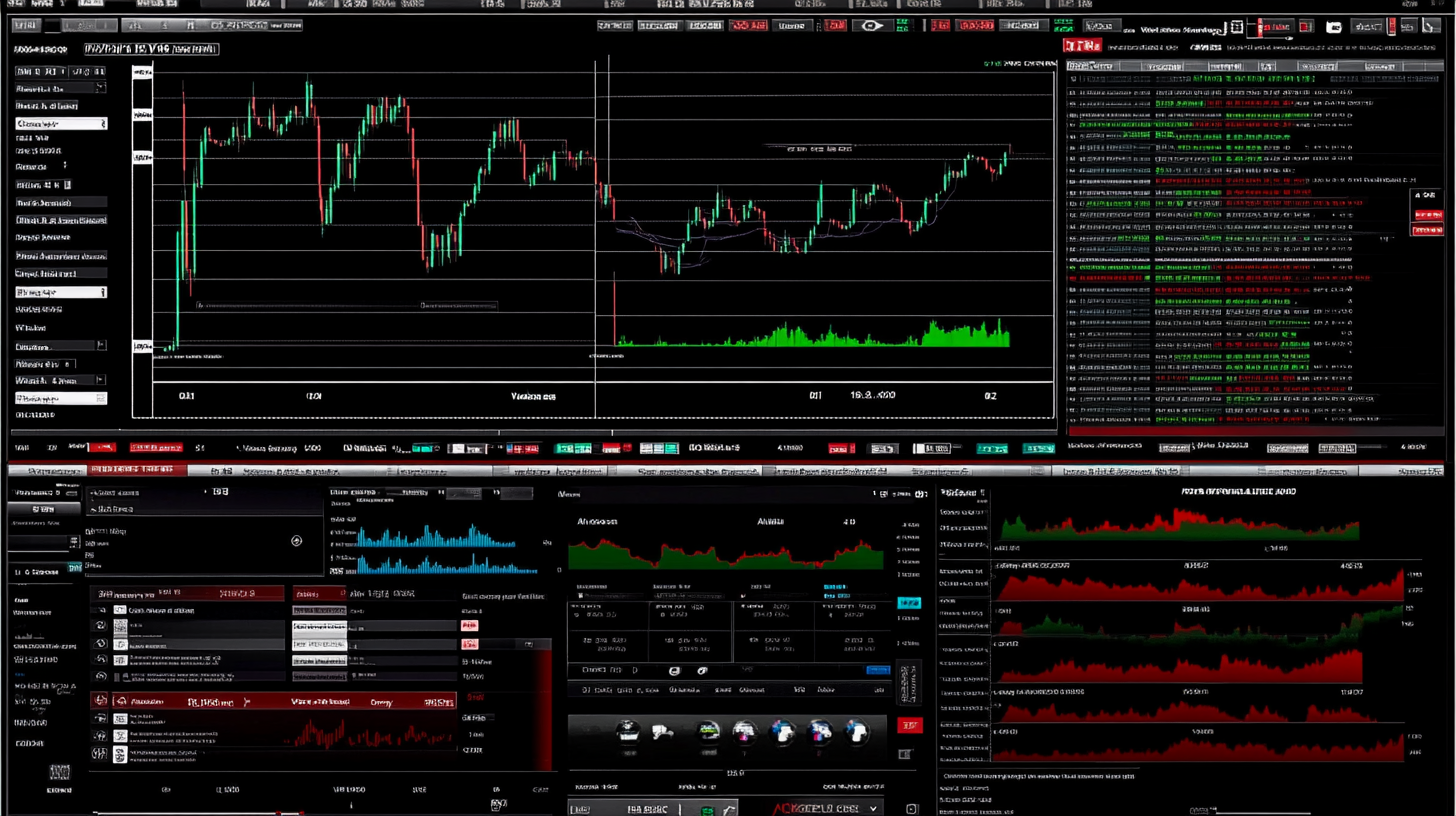
Slide Embolex Trading Platform Alternatives 2026: Reliable Options for Online Traders
Speed is addictive in trading—fast onboarding, a clean WebTrader, leverage that looks like a cheat code. That’s the vibe many offshore CFD venues sell, and it’s also the context in which Slide Embolex tends to show up on traders’ radars: a proprietary browser platform plus mobile apps, a relatively low minimum deposit (commonly around $250 in this segment), and headline leverage that can run up to roughly 1:500. The catch is that convenience doesn’t equal protection. If a platform sits outside top-tier regulators, every operational detail matters more: how withdrawals behave under AML rules, how margin calls are handled during volatility, and whether client funds are truly segregated in practice.
This guide is built for 2026 decision-making: a risk-first shortlist of Slide Embolex alternatives, with a US/EU lens. I’m not here to dunk on any brand; I’m here to reduce surprise. You’ll see what “regulated” means in real terms (FCA/ASIC/CySEC/NFA), why execution model and slippage can matter more than marketing spreads, and which brokers are better fits depending on whether you want FX/CFDs, real stocks/ETFs, options, or futures. If you’re considering a switch, the goal isn’t to find a “perfect” broker—it’s to pick a structure where the rules are clear before your capital is at risk.
Disclaimer: This article is for informational purposes only and does not constitute investment advice. CFDs and other leveraged products carry a high risk of loss and may not be suitable for all investors.
Key Takeaways (TL;DR)
- Offshore-style leverage (e.g., ~1:500) can amplify losses fast; prioritize enforceable regulation and negative balance protection over headline features.
- Cost comparisons should use all-in, round-turn trading cost (spread + commission) plus swaps—especially if you hold positions overnight.
- If you want real stocks/ETFs (not CFDs), multi-asset brokers like IBKR or Saxo are typically the cleanest upgrade path.
- Migration works best when you KYC the new broker first, then withdraw using the original funding rails to avoid AML friction.
What Is Slide Embolex and How Does Its Trading Platform Work?
From what’s commonly observable with offshore CFD-first operators, Slide Embolex presents as a retail trading venue focused on Forex and CFDs rather than a full multi-asset brokerage. The typical footprint for this category includes an offshore registration (often under Seychelles-style frameworks), a global marketing posture with the USA restricted, and account tiers that push higher leverage and “VIP” support as you deposit more. The target user is usually a short-term trader who wants quick access to FX pairs, indices, commodities, and crypto CFDs—without the heavier compliance experience you’d encounter at a US or EU broker.
Slide Embolex Web Trading Platform: Core Features and Tools
On the product side, the center of gravity is usually a proprietary WebTrader: login, watchlists, basic-to-mid charting, and order tickets that cover the essentials (market, limit, stop). Charting tends to be “good enough” for discretionary setups—common indicators, drawing tools, timeframe controls—but it often trails MT4/MT5 or cTrader for automation workflows and deep customization. Mobile apps (iOS/Android) typically mirror the web experience, with the biggest gaps showing up in multi-chart layouts, alert logic, and fast navigation between instruments during high-volatility moments. Execution “feels” acceptable in calm markets, yet slippage and requotes are the real test when liquidity thins.
Trading Fees, Spreads, and Account Types at Slide Embolex
Costs in platforms like Slide Embolex are usually spread-led on a Standard-style account—think EUR/USD commonly around ~2.0 pips, with financing (swap/overnight fees) applying if you hold past rollover. Some firms in this lane also advertise a Raw/ECN-style tier with tighter spreads (often ~0.0–0.4 pips) plus a commission that can land in the ballpark of $6 round-turn, but the real comparison is your all-in cost per trade after commissions and typical slippage. Watch for non-trading charges too: withdrawal fees, currency conversion markups, and inactivity policies can matter more than a half-pip headline difference if you’re not trading daily.
When Do Traders Start Looking for Slide Embolex Alternatives?
The “switch” moment often arrives when the risks stop being theoretical—usually around withdrawals, platform limitations, or a strategy that needs tighter execution. For many traders, the search for Slide Embolex alternatives begins after realizing that high leverage and a slick WebTrader don’t compensate for weak investor safeguards or unclear dispute resolution pathways. Add in regional restrictions (the US is typically out), and suddenly the opportunity cost of staying put shows up as missed market access, higher all-in costs, or operational uncertainty when you most need predictability.
- You want MT4/MT5 or cTrader for an EA/automation workflow, but the proprietary platform can’t replicate your tooling or backtest process.
- A withdrawal takes longer than expected, or you’re asked for repeated documentation beyond standard KYC/AML norms.
- You need real stock/ETF ownership (with standard custody and reporting), not equity exposure delivered only as CFDs.
- News volatility exposes slippage you can’t model—stops fill worse than expected and risk metrics drift.
- You’re scaling size and care more about regulatory recourse, segregated client funds, and formal complaint channels than extra leverage.
How to Choose a Reliable Alternative to the Slide Embolex Trading Platform
I treat broker selection like picking infrastructure, not an app: align it with your strategy, your jurisdiction, and your tolerance for operational tail risk. Competitors to Slide Embolex range from simple CFD apps to institutional-grade multi-asset firms; the right move depends on whether you trade FX intraday, hedge equity exposure, or build a longer-horizon portfolio with options and futures. Start with safety and execution, then optimize for costs and tools.
Regulation, Safety, and Investor Protection
In the US/EU, regulation isn’t a badge—it’s a rulebook with enforcement. FCA (UK), ASIC (Australia), CySEC (EU/Cyprus), and NFA/CFTC (US) each impose capital standards, conduct rules, and client money handling expectations, often including segregated client funds. Some jurisdictions also have compensation frameworks: the UK’s FSCS can cover up to £85,000 in certain insolvency scenarios, and CySEC’s ICF can cover up to €20,000 for eligible clients. If you’re comparing regulated options vs Slide Embolex, verify the broker entity on the regulator’s public register—not just the logo on a website.
Available Markets and Instruments
Make the asset list match your intent. FX and index CFDs are fine if you’re tactically trading macro, but investors building exposure to AI and tech equities often want real stocks/ETFs, options, and sometimes futures for hedging. Multi-asset brokers can provide broader access (including exchanges and routing choices), while CFD-first shops may only offer synthetic exposure. If your plan includes portfolio-style risk control—think covered calls or futures overlays—choose a broker built for that stack.
Trading Costs: Spreads, Commissions, and Other Fees
Spreads are only the visible part of the iceberg. For active traders, the better comparison is round-turn cost: spread + commission, plus the average slippage you experience around events. Then layer in swap/overnight fees if you hold positions, and non-trading fees (inactivity, withdrawals, FX conversion). A “raw” account with 0.1–0.3 pips can still be expensive if commissions are high and execution degrades under load.
Platforms, Tools, and Execution Quality
Platform choice is a strategy constraint. MT4/MT5 and cTrader support automation ecosystems, custom indicators, and standardized workflows; proprietary platforms can be smoother for basic execution but narrower for advanced tooling. Execution model matters too: market maker, STP, ECN, or DMA each comes with different tradeoffs in pricing and fills. If you’re leaving Slide Embolex, run a sanity test at the new broker: measure spreads during your trading hours and compare stop-loss fill quality during a known volatility window.
Support, Education, and Overall User Experience
Support becomes critical exactly when the market is least forgiving. Look for clear service hours across time zones, language coverage relevant to you, and response channels that don’t bottleneck during events. Education is secondary for experienced traders, but high-quality brokers usually provide transparent margin policies, platform guides, and clear fee schedules. Mobile parity matters if you manage risk on the go; you don’t want your risk controls trapped behind a desktop-only interface.
Slide Embolex and Different Asset Classes: When Alternatives May Be Better
Slide Embolex Forex and CFD Trading
For FX/CFD trading, Slide Embolex-style venues generally offer a workable list—often a few dozen FX pairs, a handful of indices and commodities, and leverage that can reach about 1:500. The tradeoff is that cost and execution quality can be harder to audit: EUR/USD around ~2.0 pips on a standard tier is a meaningful drag if you trade frequently, and slippage can quietly dominate your P&L during CPI/NFP-type volatility. FX specialists like Pepperstone or IC Markets are typically engineered for tighter all-in pricing, with Raw-style accounts where spreads can be near zero and commissions are explicit. If your edge depends on predictable fills, the combination of transparent pricing, modern platforms (MT4/MT5/cTrader), and clearer execution disclosures is often the real upgrade—not a bigger leverage number.
Slide Embolex Stock and ETF Trading
Equities are where the gap usually shows up. Many offshore CFD-first platforms offer “stocks” as CFDs—price exposure without ownership, shareholder rights, or standard custody reporting. For a Silicon Valley-style playbook—building exposure to innovative companies, managing concentration risk, and occasionally writing options—brokers like Interactive Brokers and Saxo Bank are in a different category. IBKR is built for breadth (global stocks/ETFs, options, futures, bonds) and granular order routing, while Saxo tends to shine in a polished multi-asset experience with strong research and risk tooling. If your goal is to own shares or run options strategies, a regulated multi-asset account is usually the cleanest substitute for Slide Embolex platform-style equity CFDs.
Slide Embolex Crypto Trading
Crypto access on CFD platforms is often CFD exposure rather than on-chain ownership—useful for short-term directional trades, but not equivalent to holding coins in a wallet. In that setup, you’re trading a derivative with leverage and overnight financing, and you can’t withdraw crypto to an address because you don’t possess the underlying asset. Regulated CFD brokers like IG or Plus500 can offer crypto CFDs in certain regions, with clearer risk disclosures and tighter controls around leverage. If you want spot crypto ownership, you’re typically looking outside traditional CFD brokers entirely (and into regulated exchanges/custodians), but that’s a different risk model. For traders focused on hedging or tactical exposure, regulated crypto CFD access can be a safer operational match than offshore crypto CFD menus.
Best Slide Embolex Alternatives for 2026: Comparison of Top Trading Platforms
Interactive Brokers (IBKR): Key Facts and How It Compares to Slide Embolex
Regulation: SEC/FINRA (US), FCA (UK), IIROC (Canada) (entity depends on region)
Markets: Stocks, ETFs, options, futures, FX, bonds, funds (product access varies by jurisdiction)
Fees: FX pricing varies by size; equity commissions are generally low with tiered/fixed schedules (check your region); financing and data fees may apply
Platform: Trader Workstation (TWS), IBKR Desktop, web portal, mobile app, APIs
Best For: Global multi-asset investors who want real market access
Pepperstone: Key Facts and How It Compares to Slide Embolex
Regulation: FCA (UK), ASIC (Australia), CySEC (EU), DFSA (Dubai)
Markets: FX and CFDs (indices, commodities; availability varies by entity)
Fees: EUR/USD often ~0.0–0.3 pips on Razor/Raw-style + commission; ~1.0+ pip typical on Standard (conditions vary)
Platform: MT4, MT5, cTrader, TradingView integration (where available)
Best For: FX traders optimizing for tight spreads and automation
Saxo Bank: Key Facts and How It Compares to Slide Embolex
Regulation: FCA (UK), MAS (Singapore), DFSA (Dubai) (entity depends on region)
Markets: Stocks, ETFs, options, futures, FX, bonds, CFDs (product access varies)
Fees: Pricing depends on tier; FX spreads can be competitive for larger accounts; commissions apply on exchange-traded products
Platform: SaxoTraderGO, SaxoTraderPRO
Best For: Portfolio builders who want a premium, research-led platform
IG: Key Facts and How It Compares to Slide Embolex
Regulation: FCA (UK), ASIC (Australia), MAS (Singapore)
Markets: CFDs (FX, indices, commodities, shares), spread betting (UK/IE), some regions offer share dealing
Fees: CFD spreads vary by market; FX spreads are often competitive on majors; overnight financing applies for leveraged positions
Platform: IG web platform, mobile apps, MT4 (where available)
Best For: Risk-aware CFD traders who value a long-standing regulated venue
IC Markets: Key Facts and How It Compares to Slide Embolex
Regulation: ASIC (Australia), CySEC (EU), FSA Seychelles (group-level, entity varies)
Markets: FX and CFDs (indices, commodities, crypto CFDs in some regions)
Fees: Raw spreads often ~0.0–0.3 pips on EUR/USD + commission; Standard typically ~1.0+ pip equivalent (varies)
Platform: MT4, MT5, cTrader
Best For: High-frequency and scalping styles needing fast execution
Plus500: Key Facts and How It Compares to Slide Embolex
Regulation: FCA (UK), CySEC (EU), ASIC (Australia), MAS (Singapore)
Markets: CFDs (FX, indices, commodities, shares, ETFs, crypto CFDs where permitted)
Fees: Spread-only CFD pricing; costs vary by instrument; overnight funding and currency conversion charges may apply
Platform: Plus500 proprietary WebTrader and mobile apps
Best For: Simplicity-first traders who want regulated CFD access
Comparison Summary
| Platform | Regulation | Main Markets | Typical Costs | Best For |
|---|---|---|---|---|
| Interactive Brokers (IBKR) | SEC/FINRA, FCA, IIROC | Stocks/ETFs, options, futures, FX, bonds | Low commissions on many products; FX pricing varies; data/financing may apply | Global multi-asset investors who want real market access |
| Pepperstone | FCA, ASIC, CySEC, DFSA | FX + CFDs | Raw ~0.0–0.3 pips + commission; Standard ~1.0+ pip typical | FX traders optimizing for tight spreads and automation |
| Saxo Bank | FCA, MAS, DFSA | Stocks/ETFs, options, futures, FX, CFDs | Tiered pricing; commissions on exchange products; FX spreads vary by tier | Portfolio builders who want a premium, research-led platform |
| IG | FCA, ASIC, MAS | CFDs (broad), spread betting (UK/IE), share dealing in some regions | Market-dependent spreads; overnight financing on leveraged positions | Risk-aware CFD traders who value a long-standing regulated venue |
| IC Markets | ASIC, CySEC, FSA Seychelles | FX + CFDs | Raw ~0.0–0.3 pips + commission; Standard ~1.0+ pip equivalent | High-frequency and scalping styles needing fast execution |
| Plus500 | FCA, CySEC, ASIC, MAS | CFDs across FX/indices/commodities/shares; crypto CFDs where allowed | Spread-only; overnight funding and conversion costs can be material | Simplicity-first traders who want regulated CFD access |
How to Safely Move from Slide Embolex to Another Broker
Switching brokers is less about “finding a better UI” and more about controlling operational risk while you’re in transit. The safest migrations treat capital like production data: staged, logged, and reversible where possible. If you’re moving away from Slide Embolex, assume positions won’t transfer and plan for a period where you’re flat or lightly exposed. Remember: leverage cuts both ways, and a rushed transition during volatility can turn into avoidable losses.
- Confirm the new broker’s exact legal entity on the regulator’s public register (FCA Register, ASIC Connect, CySEC listings, or NFA BASIC) and match the website domain to the registered firm details.
- Open the new account and complete KYC/AML before touching the old one—government ID and proof of address are the common blockers that slow down “same-day” moves.
- Reduce complexity by closing open positions first; if you want the same exposure, re-enter on the new broker rather than assuming any position porting is possible.
- Export statements, trade history, and funding records from the old platform for taxes and audits; don’t wait until after access changes or account closure.
- Withdraw using the original deposit method where feasible (card-to-card, bank-to-bank, same wallet rails) because many brokers enforce source-of-funds rules tightly.
- Start at the new broker with a small deposit, place a few low-size trades, and observe spreads, swaps, and order fills during your typical trading hours before scaling.
Ready to Explore Slide Embolex?
If you’re still evaluating, review current eligibility for your country, compare the platform stack you actually need (WebTrader vs MT4/MT5/cTrader), and read the latest fee schedule end-to-end—including swaps and withdrawals. A few minutes of verification now can save you days of friction later.
FAQ: Slide Embolex Alternatives and Trading Platforms
What is the best alternative to Slide Embolex in 2026?
The best option depends on whether you’re trading CFDs tactically or building a multi-asset portfolio. For real stocks/ETFs plus options and futures, Interactive Brokers is usually the strongest upgrade; for FX/CFD performance, Pepperstone or IC Markets are common picks due to platform choice and transparent all-in pricing. If you want regulated simplicity with a proprietary app, Plus500 is often closer to the “WebTrader-first” experience.
Is Slide Embolex a safe broker/platform?
Slide Embolex appears to operate in the offshore/unregulated-to-top-tier category often associated with Seychelles-style frameworks rather than FCA/NFA-level oversight. That doesn’t automatically mean “scam,” but it does mean you typically have less formal investor protection and weaker recourse if a dispute occurs. If safety is your priority, compare regulated options vs Slide Embolex and verify licensing directly on the regulator’s register.
Can I trade stocks, futures, or crypto with Slide Embolex?
With brokers similar to Slide Embolex, “stocks” are often provided as CFDs rather than real share ownership, and exchange-traded futures are frequently not offered. Crypto access, when present, is usually via crypto CFDs—price exposure with leverage and financing, not on-chain coins you can withdraw. If you need real stocks/ETFs or listed futures, a multi-asset broker like IBKR or Saxo is typically a better fit.
What should I check before switching from Slide Embolex to another platform?
Before switching, confirm the new broker’s entity and license on FCA/ASIC/CySEC/NFA registers, then read the margin rules, negative balance protection terms, and full fee schedule (spreads, commissions, swaps, withdrawals). Next, test execution with small trades and observe slippage during a known high-volatility window. Finally, export your statements and funding history so your records remain complete even after you stop using the old platform.
About the Author: Michael Chang is a Silicon Valley investor and former engineer who approaches trading platforms like mission-critical infrastructure—security model first, then performance. He holds a Stanford CS degree and an MBA, and he focuses on separating marketing claims from verifiable mechanics (regulation, execution quality, and true all-in costs) before capital is deployed.