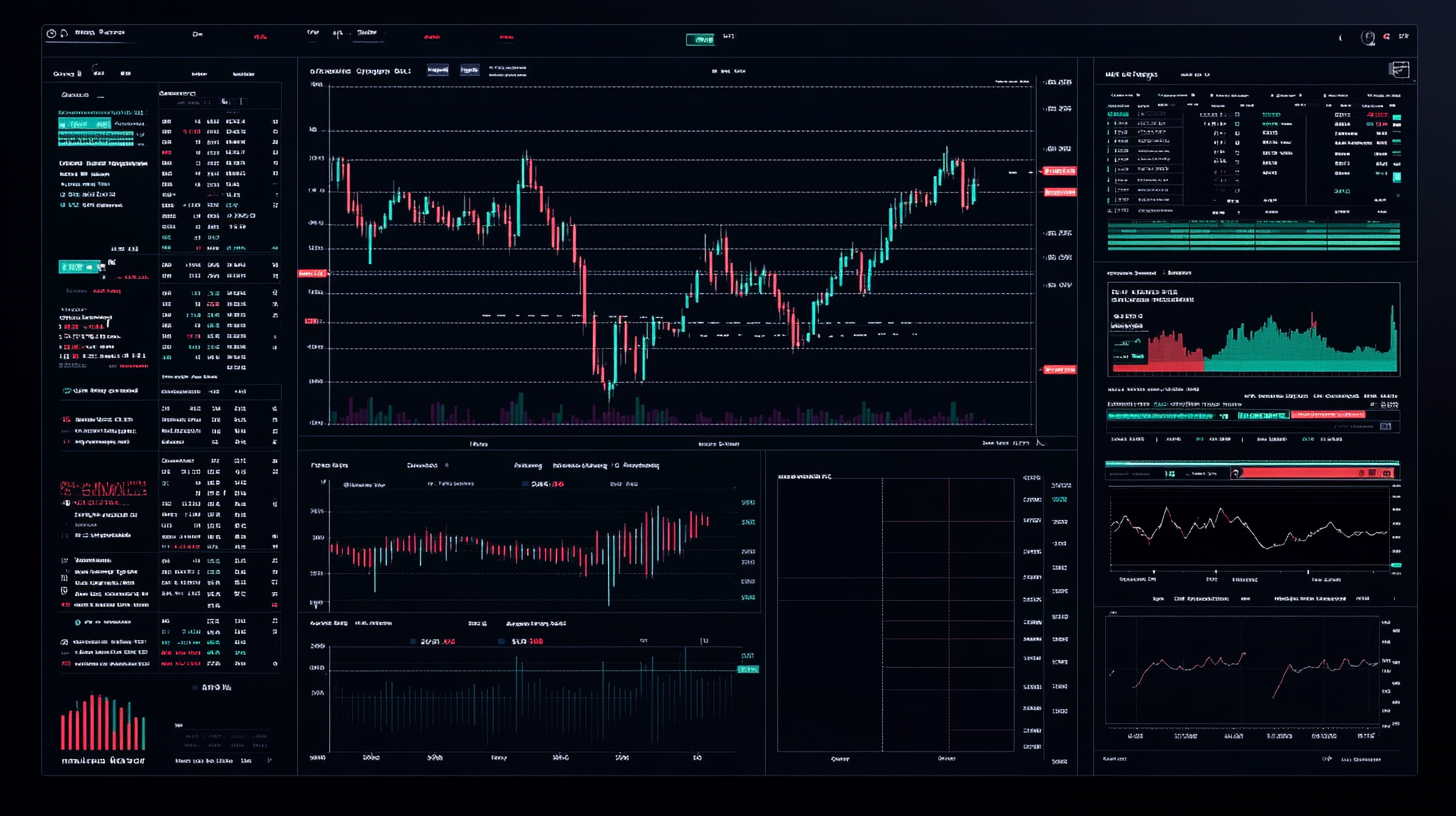
Sten Zinsvik Trading Platform Alternatives 2026: Reliable Options for Online Traders
Speed is intoxicating in markets—especially when you’re trading leveraged CFDs and your P&L can swing faster than an AI model’s learning curve. That’s the attraction with platforms positioned like Sten Zinsvik: a clean WebTrader workflow, mobile access, and broad “one-login” exposure to FX and CFDs. The trade-off, in my experience, is that convenience can mask structural risk—things like offshore oversight, limited transparency on execution quality, and terms that get painful only after you scale.
From what’s typically observed in this offshore CFD segment, Sten Zinsvik looks geared toward retail traders who want straightforward forex and CFD access (often including crypto CFDs), with a proprietary browser platform and a companion iOS/Android app. Expect features that cover the basics—charts, common indicators, stop-loss/take-profit—but not necessarily the deeper tooling active traders rely on (advanced order logic, robust algorithmic support, or detailed execution reporting). Add high maximum leverage (often around 1:500 in this category) and you’ve got a setup that can amplify both wins and mistakes.
This guide is built for a global audience with a US/EU focus, and it’s engineered to be practical: what to look for, how to compare true cost-of-trade, and which regulated brokers can be smarter Sten Zinsvik alternatives depending on whether you’re trading FX, indexing macro, or building a longer-horizon portfolio alongside tactical CFDs.
Disclaimer: This article is for informational purposes only and does not constitute investment advice. CFDs and other leveraged products carry a high risk of loss and may not be suitable for all investors.
Key Takeaways (TL;DR)
- If you care about investor protection, prioritize FCA/ASIC/CySEC/NFA-regulated brokers with clear client-funds segregation and compensation frameworks (where applicable).
- Compare “all-in” round-turn trading cost (spread + commissions) rather than headline leverage; for frequent traders, a 0.8 pip difference compounds fast.
- Before moving funds, open and verify the new account first—KYC/AML checks can block withdrawals if your paperwork timing is off.
What Is Sten Zinsvik and How Does Its Trading Platform Work?
In practice, Sten Zinsvik appears positioned as an offshore-style CFD-first venue—focused on forex and CFDs rather than true multi-asset investing with direct exchange access. The public footprint of brokers in this bucket commonly points to oversight in jurisdictions like Seychelles (often via the Seychelles FSA), which is not the same thing as being supervised under FCA, ASIC, CySEC, or NFA rules. That distinction matters when you’re thinking about complaint resolution, negative balance protection norms, and what happens operationally when markets gap. For traders comparing brokers similar to Sten Zinsvik, the key question is whether the platform is designed for light, occasional trading—or can support repeatable execution at scale.
Sten Zinsvik Web Trading Platform: Core Features and Tools
The platform stack is usually a proprietary WebTrader with a matching mobile app. Expect usable charting with common timeframes, a baseline set of indicators, and drawing tools for levels and trendlines. Order entry typically covers market and pending orders plus stop-loss/take-profit, but the edge cases—partial fills, advanced conditional orders, granular order audit trails—are where proprietary platforms often feel thin. Mobile parity tends to be decent for monitoring and simple entries, while research and deep analytics are usually lighter than what you’ll find at tier-1 brokers. Account dashboards often include margin, equity, and open-position summaries, though execution reporting can be less transparent than DMA-style venues.
Trading Fees, Spreads, and Account Types at Sten Zinsvik
Cost structures in this segment usually lean on spread-based pricing. A typical reference point is EUR/USD “from ~2.0 pips” on a standard-style account, with higher costs visible during volatile sessions. Some brokers in this category also advertise a Raw/ECN-style tier (commonly ~0.0–0.4 pips plus a round-turn commission in the ~$5–$8 range), though the real question is consistency—slippage, re-quotes, and how the execution model behaves when liquidity thins. Minimum deposits are often around $250, and maximum leverage frequently runs high (often around 1:500). Also watch for swap/overnight financing on CFDs, plus potential withdrawal and inactivity fees—small line items that matter once you’re active month after month.
When Do Traders Start Looking for Sten Zinsvik Alternatives?
Capital tends to move the moment a platform stops matching a trader’s strategy—or their risk tolerance. For many people, Sten Zinsvik alternatives become relevant when “easy onboarding” runs into real-world frictions: proving execution quality, getting comfortable with offshore oversight, or discovering that the platform tooling caps out right when you start trading size. Another common catalyst is realizing that leverage is not a feature; it’s a multiplier on risk, and the broker’s rules around margin calls and stop-outs dictate survival during fast markets.
- You want a regulator-backed framework (FCA/ASIC/CySEC/NFA) with clearer client-money segregation rules than offshore venues typically provide.
- Your playbook requires MT4/MT5 or cTrader for automation, strategy testing, or advanced order management that a basic WebTrader doesn’t handle well.
- You’re scaling frequency and notice that spreads and slippage—not your “strategy idea”—are eating the edge.
- You need access to real stocks/ETFs (not just CFDs) to combine long-term investing with tactical hedges.
How to Choose a Reliable Alternative to the Sten Zinsvik Trading Platform
I treat broker selection like choosing infrastructure. You’re not just picking a UI—you’re selecting a risk envelope: legal protections, execution plumbing, and the rules that govern margin, withdrawals, and disputes. Use a fit-to-strategy lens: what you trade (FX vs equities), how you trade (manual vs automated), and how sensitive your edge is to spreads and slippage.
Regulation, Safety, and Investor Protection
Start with the regulator and verify it on the official register (FCA Register, ASIC Connect, CySEC list, NFA BASIC). FCA-authorized firms may fall under FSCS coverage up to £85,000, and CySEC investment firms may be tied to ICF protection up to €20,000—details vary by entity and client classification. Look for segregated client funds, clear negative balance protection policies where required, and transparent legal-entity disclosures.
Available Markets and Instruments
Match instruments to intent. If you’re primarily trading macro swings, FX and index CFDs might be enough. If you’re building a core portfolio—think US/EU equities, ETFs, options, and futures—you’ll want a true multi-asset venue with exchange routing, not a CFD wrapper. Many platforms like Sten Zinsvik skew CFD-first, which can be fine for short-term exposure but doesn’t provide shareholder rights or the same product breadth as a multi-asset broker.
Trading Costs: Spreads, Commissions, and Other Fees
Ignore marketing numbers and compute round-turn cost-of-trade: spread (in pips) + commissions + expected slippage. For active FX traders, the difference between ~2.0 pips and ~0.6–1.0 pip equivalents is material over dozens of lots per month. Add swap/overnight fees for positions held beyond a session, and don’t forget non-trading fees like inactivity charges or withdrawal costs—small drips that compound over time.
Platforms, Tools, and Execution Quality
Platform choice is strategy choice. MT4/MT5 and cTrader matter if you rely on EAs, custom indicators, or granular order control; proprietary platforms can be simpler but harder to extend. Execution model also shapes outcomes: market makers internalize flow, while STP/ECN/DMA-style routing aims to pass orders to liquidity providers or venues. Either can work, but you should demand clarity on re-quotes, typical slippage, and how the broker behaves during news spikes—exactly the conditions that separate survivable execution from surprise losses.
Support, Education, and Overall User Experience
Operational quality is underrated. Check support hours in your timezone, language coverage, and whether there’s a meaningful help center (platform walkthroughs, margin policy explanations, and fee schedules). Mobile parity matters if you manage risk on the go—alerts, order modification, and account funding should be stable. Finally, assess onboarding friction: solid KYC/AML is a feature, not a bug, because it usually correlates with tighter controls around client accounts.
Sten Zinsvik and Different Asset Classes: When Alternatives May Be Better
Sten Zinsvik Forex and CFD Trading
For FX and CFD trading, the typical Sten Zinsvik setup is “broad enough” on paper: roughly 30–50 forex pairs, a handful of commodities, and 8–15 major indices, often paired with leverage around 1:500. The potential issue isn’t access—it’s the quality of the trade lifecycle: spreads that commonly start near ~2.0 pips on EUR/USD, execution transparency, and what happens to fills during volatility. If you run a systematic strategy or scalp around liquid sessions, brokers like Pepperstone and IC Markets are often preferred because they support MT4/MT5/cTrader and offer raw-style pricing where spreads can be near zero plus commission. That structure makes it easier to model expected costs and stress-test slippage, which is hard to do on a simple WebTrader with limited reporting.
Sten Zinsvik Stock and ETF Trading
Here’s the clean dividing line: do you want to own assets or just trade price exposure? Offshore CFD-first brokers frequently offer stocks/ETFs only as CFDs, which means no shareholder rights and different fee mechanics (spreads, financing, and sometimes wider gap risk on open). For US/EU investors building a barbell—long-term equities plus tactical hedges—Interactive Brokers is the obvious workhorse because it provides access to real stocks, ETFs, options, and futures with exchange routing. Saxo Bank is another strong option for multi-asset coverage with a platform stack built for serious portfolio management. If your goal is “trade the move” rather than “own the asset,” CFD-focused venues like IG can sit in the middle: regulated, deep index/stock CFD menus, and tooling that’s materially more mature than most proprietary offshore platforms.
Sten Zinsvik Crypto Trading
Crypto is where definitions matter. In this broker category, what’s commonly offered is crypto CFDs—synthetic exposure to coins like BTC or ETH without on-chain ownership, no wallet withdrawals, and financing costs that can bite if you hold positions. That can be perfectly rational for short-term hedging or tactical trades, but it’s not the same as spot crypto custody. Among regulated options, IG and Plus500 are well-known for crypto CFD availability in eligible regions (rules vary across the UK/EU and are not available everywhere). The practical advantage of regulated alternatives is governance: clearer risk disclosures, more consistent margin rules, and stronger expectations around client-money handling. If you’re evaluating competitors to Sten Zinsvik for crypto CFDs, prioritize transparent contract specs (spread behavior, trading hours, and overnight fees) over flashy coin counts.
Best Sten Zinsvik Alternatives for 2026: Comparison of Top Trading Platforms
Interactive Brokers (IBKR): Key Facts and How It Compares to Sten Zinsvik
Regulation: SEC/FINRA (US), FCA (UK), IIROC (Canada)
Markets: Stocks, ETFs, options, futures, FX, bonds
Fees: Generally low, product-dependent; FX pricing varies by venue and size rather than simple “from X pips” marketing
Platform: Trader Workstation (TWS), IBKR Desktop, web and mobile apps, API access
Best For: Multi-asset portfolio builders who also trade tactically
Pepperstone: Key Facts and How It Compares to Sten Zinsvik
Regulation: FCA (UK), ASIC (Australia), CySEC (EU), DFSA (UAE)
Markets: FX, CFDs (indices, commodities, some crypto CFDs in eligible regions)
Fees: Raw accounts often near ~0.0–0.3 pips on EUR/USD + commission; Standard accounts typically around ~1.0+ pip equivalent
Platform: MT4, MT5, cTrader, TradingView integration (availability varies), mobile apps
Best For: Cost-sensitive FX traders running automation
IG: Key Facts and How It Compares to Sten Zinsvik
Regulation: FCA (UK), ASIC (Australia), MAS (Singapore)
Markets: CFDs (indices, FX, commodities, shares), spread betting (UK/IE where permitted)
Fees: Spread-led pricing; majors often start around ~0.6+ pips in normal conditions, with costs widening in fast markets
Platform: IG proprietary web platform, mobile apps; MT4 supported in many regions
Best For: Macro CFD traders who want a regulated, research-heavy setup
Saxo Bank: Key Facts and How It Compares to Sten Zinsvik
Regulation: FCA (UK), MAS (Singapore), DFSA (UAE)
Markets: Stocks, ETFs, options, futures, FX, bonds, CFDs
Fees: Pricing depends on product and tier; FX spreads can be competitive for larger balances, while investing fees vary by exchange and order type
Platform: SaxoTraderGO, SaxoTraderPRO, mobile apps
Best For: Active investors who want pro-grade analytics and global market access
OANDA: Key Facts and How It Compares to Sten Zinsvik
Regulation: CFTC/NFA (US), FCA (UK), ASIC (Australia), IIROC (Canada)
Markets: FX, CFDs (availability depends on region)
Fees: Typically spread-based; majors often around ~0.8–1.4 pips depending on market conditions and account type
Platform: OANDA web and mobile platforms; MT4 support in many regions
Best For: US-eligible FX traders prioritizing strong oversight
Plus500: Key Facts and How It Compares to Sten Zinsvik
Regulation: FCA (UK), CySEC (EU), ASIC (Australia), MAS (Singapore)
Markets: CFDs (FX, indices, commodities, shares, crypto CFDs in eligible regions)
Fees: Spread-based; typical costs vary by instrument, plus overnight funding for held CFD positions
Platform: Plus500 proprietary web platform and mobile app
Best For: Mobile-first CFD traders who value simplicity over customization
Comparison Summary
| Platform | Regulation | Main Markets | Typical Costs | Best For |
|---|---|---|---|---|
| Interactive Brokers (IBKR) | SEC/FINRA, FCA, IIROC | Stocks/ETFs, options, futures, FX, bonds | Product-based pricing; generally low for active users | Multi-asset portfolio builders who also trade tactically |
| Pepperstone | FCA, ASIC, CySEC, DFSA | FX and CFD suite | Raw ~0.0–0.3 pips + commission; Standard ~1.0+ pip equiv. | Cost-sensitive FX traders running automation |
| IG | FCA, ASIC, MAS | CFDs across FX/indices/commodities/shares | Spreads often ~0.6+ pips on majors (conditions apply) | Macro CFD traders who want a regulated, research-heavy setup |
| Saxo Bank | FCA, MAS, DFSA | True multi-asset + CFDs | Tiered pricing by product; competitive for larger accounts | Active investors who want pro-grade analytics and global market access |
| OANDA | CFTC/NFA, FCA, ASIC, IIROC | FX (plus CFDs in some regions) | Often ~0.8–1.4 pips on majors, spread-based | US-eligible FX traders prioritizing strong oversight |
| Plus500 | FCA, CySEC, ASIC, MAS | CFDs (broad, app-centric) | Spread pricing + overnight funding on held positions | Mobile-first CFD traders who value simplicity over customization |
How to Safely Move from Sten Zinsvik to Another Broker
Switching brokers is less “account closing” and more “operational migration.” Treat it like a controlled deployment: verify compliance first, reduce exposure second, move capital third. Most blow-ups during broker changes aren’t about markets—they’re about process errors (withdrawal routing, KYC mismatches, or forgetting to export tax records). And remember: leveraged CFDs can move against you quickly, so don’t migrate while running oversized margin.
- Confirm the new broker’s legal entity on the regulator’s public database (FCA Register, ASIC Connect, CySEC register, or NFA BASIC) and match the website domain to the registered firm.
- Open the new account and complete KYC (ID + proof of address) before you initiate any major withdrawals; approval often clears within a business day, but delays happen.
- Flatten risk on your existing account by closing open CFD positions rather than assuming you can “transfer” them; in most retail setups, positions don’t port between brokers.
- Withdraw funds from Sten Zinsvik using the same rails you used to deposit (card/bank/e-wallet), since AML policies frequently require method consistency.
- Export trade history, statements, and fee records for accounting and taxes before you stop using the old portal; you don’t want to chase documents later.
Ready to Explore Sten Zinsvik?
If you’re still evaluating whether the current platform fits your style, review the onboarding flow, funding methods, and instrument list in your region—then compare those details against the Sten Zinsvik trading platform alternatives 2026 discussed above. A few minutes of verification can save weeks of friction later.
FAQ: Sten Zinsvik Alternatives and Trading Platforms
What is the best alternative to Sten Zinsvik in 2026?
The best option depends on whether you’re trading CFDs tactically or building a real multi-asset portfolio. For “own the asset” access (stocks/ETFs/options/futures), Interactive Brokers is hard to beat; for tight FX/CFD pricing and automation, Pepperstone is a strong pick. If you want a regulated CFD-first experience with deep research, IG is often the most straightforward upgrade among the best Sten Zinsvik alternatives 2026.
Is Sten Zinsvik a safe broker/platform?
Sten Zinsvik appears consistent with offshore/unregulated-or-lightly-regulated CFD providers (commonly aligned with jurisdictions such as Seychelles), which generally offer fewer investor protections than FCA/ASIC/CySEC/NFA frameworks. That doesn’t automatically imply fraud, but it does change your risk profile around dispute resolution, transparency, and client-money safeguards. If safety is the priority, regulated options vs Sten Zinsvik are usually the cleaner starting point.
Can I trade stocks, futures, or crypto with Sten Zinsvik?
Sten Zinsvik is typically positioned around forex and CFDs, and stock exposure—if present—is usually via CFDs rather than owning shares directly. Futures trading is often not offered in CFD-first setups; traders needing listed futures usually move to brokers like IBKR or Saxo. Crypto access in this segment is commonly crypto CFDs (price exposure, not on-chain ownership), which differs meaningfully from holding spot crypto in a wallet.
What should I check before switching from Sten Zinsvik to another platform?
Before switching, verify the new broker’s legal entity on the regulator’s official register and confirm your regional eligibility (US rules are especially strict for CFDs). Next, model total trading costs (spread + commission + swap + expected slippage) so you’re not surprised after migrating. Finally, align platforms and execution model with your strategy—MT4/MT5/cTrader for automation, or DMA-style access if you’re stepping beyond the typical platforms like Sten Zinsvik.
About the Author: Michael Chang is a Silicon Valley investor with a Stanford CS + MBA background who approaches trading platforms the way engineers evaluate infrastructure: incentives, failure modes, and measurable execution quality. He focuses on risk-aware, data-driven comparisons—especially where leverage, platform design, and regulation intersect with real capital at stake.