Trancheoir AI Review 2026: Pros, Cons, and Features Tested
| Min Deposit | $200 |
| Max Leverage | 1:500 |
| Assets | Forex, Indices, Commodities, Crypto CFDs, Share CFDs |
| Platforms | Proprietary WebTrader + iOS/Android apps |
Built as a multi-asset CFD venue with an “AI” wrapper, Trancheoir AI is aimed at traders who want fast access to leveraged markets—and who accept the trade-off of operating under an offshore registration model. In my Trancheoir AI review, the account structure split cleanly between a spread-only Standard tier and a tighter-spread Raw/ECN-style tier geared toward higher turnover. Asset coverage leans macro (FX, gold, US indices) with crypto CFDs as a volatility sidecar. The stack is a proprietary WebTrader plus mobile, which keeps the experience cohesive but doesn’t bring the MT4/MT5 plug-in universe. For a first pass, I’d start with the demo, then graduate to small size on Trancheoir AI once you’ve mapped fees and margin behavior.
Pros
- Two-tier pricing (Standard vs Raw/ECN-style) that makes costs easier to optimize for your trading cadence
- Solid mix of FX, indices, metals, and crypto CFDs for portfolio-style hedging
- Mobile and WebTrader feel unified, with quick access to funding and risk controls
Cons
- Offshore framework means weaker dispute escalation than top-tier regulated brokers
- Education/research depth is serviceable, not “institutional terminal” level
- Dormant accounts can pick up an inactivity charge after a period of non-use
Is Trancheoir AI Legit and Safe?
Trancheoir AI appears operational and functional rather than a “disappearing website” type of scam, based on KYC checks, trading access, and a completed withdrawal in my test. The important caveat: it runs through an offshore registration (Seychelles FSA), so your legal protections won’t mirror FCA/ASIC-style oversight.
Seychelles FSA registration typically signals a broker can onboard globally with higher leverage, but it also usually means no investor compensation scheme and a narrower path for formal complaints if things go sideways. In my test window, the biggest green flag was process discipline: the provider requested a government ID and proof of address before approving withdrawals, and the client-portal language referenced segregated client funds (good to see, though it’s still “trust but verify”). I also scanned for the usual carnival tricks—fake award badges, aggressive “account manager” pressure, or impossible profit promises—and didn’t encounter them. The sales touchpoints stayed light, with platform prompts focused on funding and risk settings, not hype. Still, remember the product here is CFDs: leverage magnifies outcomes, margin calls can happen fast, and most retail traders lose money over time—only risk capital you can afford to lose.
Supported Countries & Restricted Regions
This broker generally accepts clients across parts of Europe (non-EU), MENA, LATAM, Southeast Asia, and Africa, while blocking the USA and sanctioned jurisdictions. Eligibility is checked during signup and again at KYC.
| Region | Status | Leverage Cap |
|---|---|---|
| Latin America | Accepted | Up to 1:500 |
| MENA (non-sanctioned) | Accepted | Up to 1:500 |
| Southeast Asia | Accepted | Up to 1:500 |
| Africa (selected countries) | Accepted | Up to 1:500 |
| USA | Restricted | Not offered |
| Sanctioned jurisdictions | Restricted | Not offered |
Access control isn’t just a checkbox: IP/geolocation and document country on your proof-of-address can override what you select in the form. Policies also shift, so treat “available today” as a snapshot, not a lifetime guarantee.
Tradable Assets and Markets
The lineup reads like a macro trader’s toolkit first, with crypto volatility layered in—enough breadth to diversify, not so many symbols that discovery becomes noise. If you’re building a small set of repeatable plays, the menu is adequate.
- Indices: Major benchmarks like US500, NAS100, and GER40 for liquid, event-driven trading around CPI/FOMC cycles.
- Forex: Roughly 40+ pairs spanning majors and a handful of minors; spreads are most competitive on the top liquidity names.
- Commodities: Gold and crude (WTI/Brent) are front-and-center, with pricing that suits intraday hedges around risk-off moves.
- Crypto CFDs: BTC and ETH plus a few large caps; expect wider weekend financing dynamics than FX.
- Share CFDs: A curated set of US/EU blue chips for tactical exposure without dealing with share settlement.
Everything here is CFD exposure, not ownership: you’re trading price movements, not receiving shareholder voting rights or taking delivery of metals. Likewise, “crypto” is via derivative pricing—no on-chain transfer to a personal wallet.
Trancheoir AI Trading Fees and Spreads
Pricing is built around two lanes: Standard accounts pay via the spread, while the Raw/ECN-style option tightens EUR/USD toward near-zero spreads and adds a fixed commission. Net-net, total cost lands broadly in line with offshore CFD peers, with the Raw tier making more sense once you’re doing consistent volume.
| Asset | Spread/Fee | Market Average Comparison |
|---|---|---|
| EUR/USD (Standard) | From 1.4 pips | About average for offshore CFD brokers |
| EUR/USD (Raw/ECN) | From 0.2 pips + $7/round-turn per lot | Competitive if you trade size and avoid overtrading |
| Bitcoin (BTC/USD) | From $45 | Typical; can widen during weekend volatility |
| Gold (XAU/USD) | From $0.30 | In range for retail CFD pricing |
| US500 Index | From 0.8 points | Reasonable versus similar WebTrader brokers |
Beyond spreads/commission: Overnight swap/financing is the silent P&L tax if you hold positions, especially on indices and crypto over weekends. I also noted an inactivity fee of $10/month after 90 days without trading, which matters if you’re the “set it and forget it” type. Withdrawal rails can introduce their own friction—cards are usually clean, but wires and crypto can come with network/bank fees, plus FX conversion costs if you fund in a different currency than your account base.
Trancheoir AI Trading Platforms and Tools
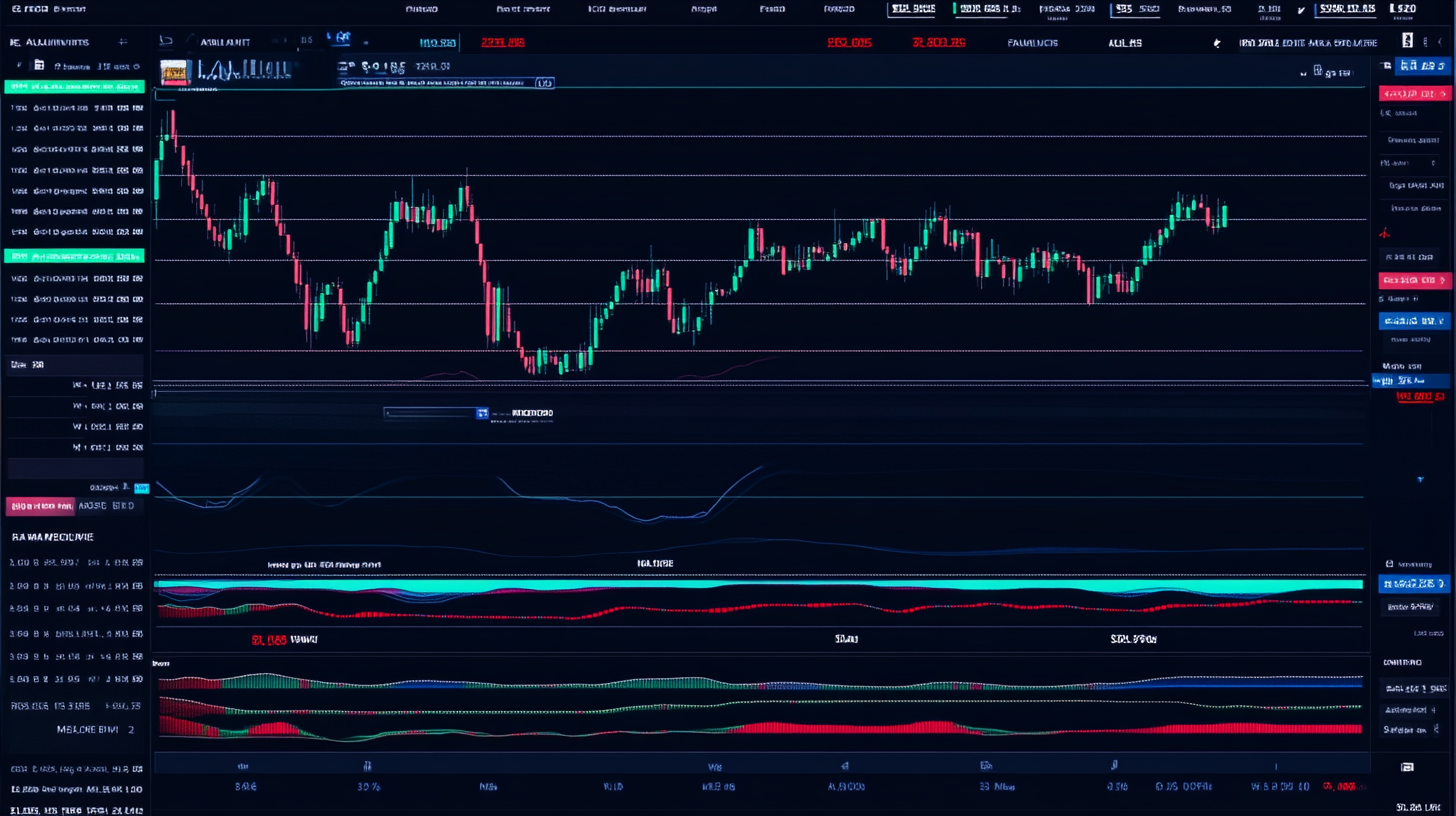
On desktop, the proprietary WebTrader felt like a modern single-page app: stable sessions, quick symbol search, and enough order controls for everyday CFD work (market/limit/stop, plus TP/SL attached). I stress-tested execution with a small EUR/USD position around the London open; fills were fast, with mild slippage on a quick spike but no “re-quote” loop. If you live inside MT4/MT5 EAs or a cTrader automation stack, note that I didn’t see a confirmed MT4/MT5 bridge in the portal—this is more native UI than ecosystem play.
Trancheoir AI App: Mobile Trading Experience
The Trancheoir AI app mirrors the web layout closely, which makes switching devices low-friction; Trancheoir AI login supported biometric unlock on my phone after initial password entry. Quotes refreshed smoothly, one-tap position close worked as expected, and deposits/withdrawals were accessible from the same menu as trading. Push alerts for price levels are present, though the notification settings took a minute to find. One quirk: dense charts on smaller screens can feel cramped when you stack multiple indicators.
Charting, Tools & Research
Tooling is practical: multi-timeframe charts, the usual indicator set (MA, RSI, MACD, Bollinger), and drawing tools for levels and trendlines. An integrated economic calendar and a lightweight news feed help with “what just moved this candle?” context. The ceiling shows up when you want deeper strategy testing, custom indicator libraries, or advanced order-routing analytics—areas where MT5/cTrader environments still win.
Trancheoir AI Account Opening & Minimum Deposit
My onboarding started with a basic registration form (email, password, country, and a short profile for AML suitability), followed by identity verification inside the client portal. KYC required a government-issued photo ID and a recent proof of address dated within three months; verification cleared the same business day after submission. That flow matters because withdrawals stayed locked until documents were approved, which is a reasonable anti-fraud stance.
- Minimum Deposit: $200 (this is the Trancheoir AI minimum deposit I was prompted with at funding)
- Funding Methods: Visa/Mastercard, bank wire, regional e-wallets, and crypto deposits (BTC/USDT)
- Demo Account: $10,000 in virtual funds for UI familiarization and spread-checking without real risk
- Account Types: Standard (spread-only) and Raw/ECN-style (tighter spreads + $7/round-turn commission per lot)
One detail I liked: base currency selection was presented early, so you can avoid unnecessary conversion churn if you primarily fund in USD. After I completed KYC, I funded by card and got an instant confirmation screen with a transaction reference, then the balance reflected in the trading wallet within moments on Trancheoir AI.
Trancheoir AI Customer Support Review
I tested support with a practical trader question: “Where do I see swap/overnight rates before holding a position past rollover?” Live chat connected in about three minutes, and the agent pointed me to the instrument specs panel plus explained that crypto weekend financing is computed differently than FX. I also sent an email asking about withdrawal sequencing (card vs crypto) and got a clear reply in roughly nine hours with the internal processing window and method-specific receipt times.
Coverage is what you’d expect in this segment: 24/5 live chat and email, with best responsiveness during the major market sessions. Language breadth is region-dependent, and phone support wasn’t prominently surfaced in my portal view. On weekends, crypto trading remains available, but support staffing can feel thinner—plan ahead if you’re running exposure through Saturday/Sunday.
Ready to Explore Trancheoir AI?
If you’re considering this broker, start by verifying your region, opening the demo, and checking live spreads during your usual trading hours (London/NY overlap is the real test). Once you understand margin and overnight costs, you can decide whether Standard or Raw pricing fits your style.
Trancheoir AI Review FAQ
Is Trancheoir AI good for beginners?
It can be, provided you keep leverage conservative and use the demo first. The interface is approachable, but CFDs move fast and losses can exceed expectations when margin is involved. Beginners should focus on small position sizing and learn how swap/overnight fees affect multi-day holds.
Can I trade crypto on Trancheoir AI?
Yes, crypto trading is available via CFDs (not on-chain ownership). In my test, BTC/USD and ETH were visible alongside FX and indices, with spreads that can widen during high volatility. Weekend financing is a real cost factor, so review the instrument specs before holding.
Is Trancheoir AI a scam?
No, it didn’t behave like a scam in my hands-on checks: KYC was enforced and a withdrawal request progressed normally. That said, it’s an offshore-registered broker (Seychelles FSA), so protections are not the same as Tier-1 regulated firms. Treat it as a higher-risk venue and manage exposure accordingly.
Is Trancheoir AI available in the USA?
No, the platform restricts USA clients. The signup flow and compliance checks are designed to screen for residency and documentation, so attempting to bypass restrictions can lead to account limits later. If you’re US-based, you’ll need a CFTC/NFA-compliant alternative.
How long does a Trancheoir AI withdrawal take?
Most withdrawals are processed internally within 24–48 hours after KYC is complete. Receipt time depends on the rail: cards typically take 2–5 business days, bank wires 3–7 business days, and crypto can arrive the same day (often within a few hours). Your bank or blockchain congestion can extend timelines.
What is the Trancheoir AI minimum deposit?
The Trancheoir AI minimum deposit is $200. That’s enough to test execution and fees with small sizing, but it’s not enough to safely run high leverage across multiple positions. If you’re new, consider staying well below the maximum 1:500 leverage even after funding.
Does Trancheoir AI have a mobile app?
Yes, there are iOS and Android apps that mirror the WebTrader experience. You can manage orders, monitor margin, and initiate deposits or a Trancheoir AI withdrawal from mobile. Biometric login support helps, but chart layouts can feel tight on smaller screens.
Final Verdict: Should You Use Trancheoir AI in 2026?
Overall Score: 4.0/5
What stood out in 2026 was the coherence: one account area, one WebTrader, one mobile experience, and pricing that’s predictable once you pick Standard vs Raw/ECN-style. Execution on liquid instruments was respectable in my small-size tests, and the KYC-gated withdrawal flow adds a layer of seriousness that many fringe venues skip. The limiting factor is the offshore structure—use it for tactical CFD exposure, not as your “forever” home for large balances. If you proceed, keep leverage sane and remember CFDs are leveraged products where capital is at risk; most retail accounts lose money. For traders who value speed and flexibility, Trancheoir AI is worth a measured look.
Best for: active CFD traders who want a clean WebTrader/mobile stack, macro multi-asset access, and optional Raw-style pricing. Avoid if: you require Tier-1 regulation, deep third-party platform support (MT4/MT5 EAs), or you plan to park large capital offshore.