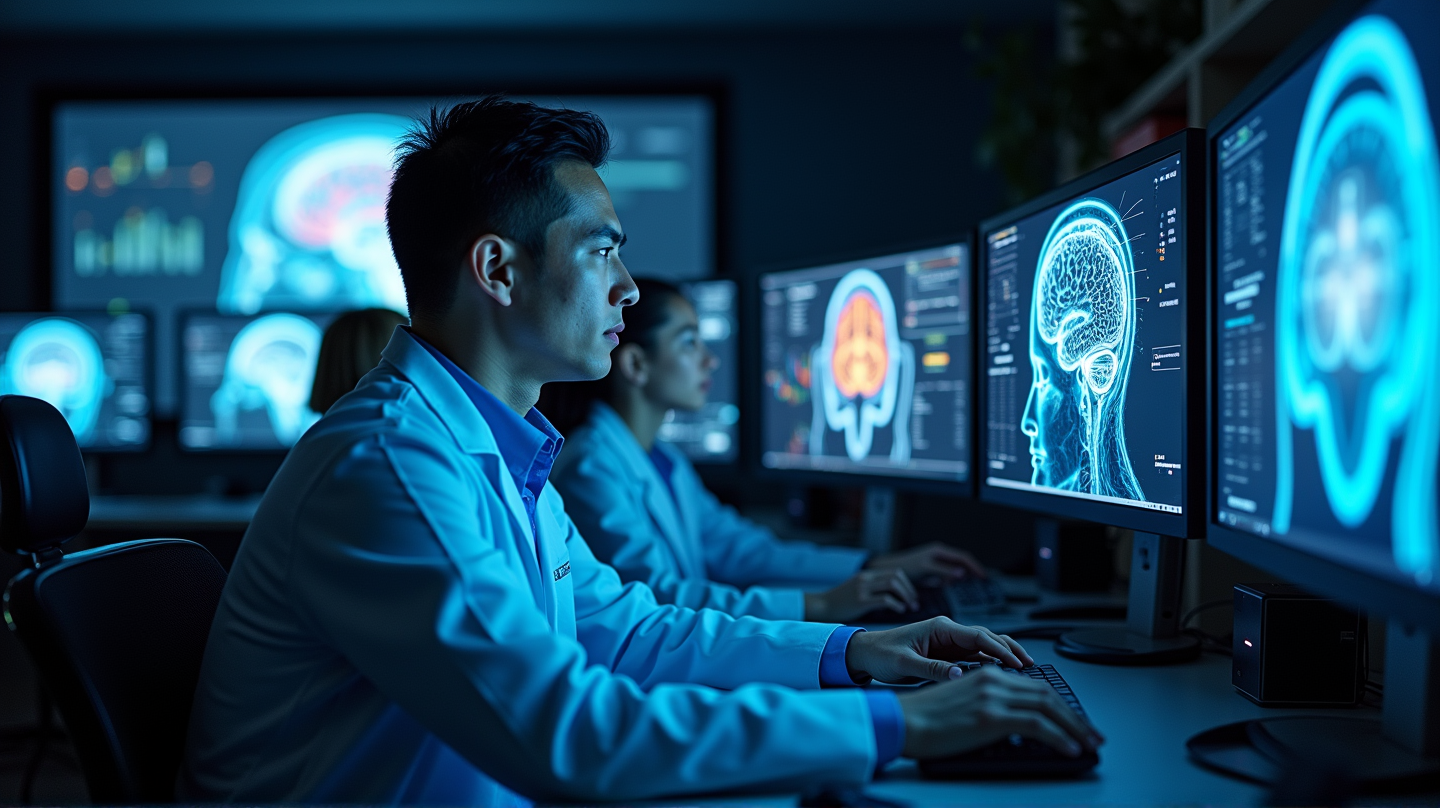
Imagine your favorite Hollywood film playing not just on a screen but inside your very mind, guiding how you feel and think. Intriguingly, such films might be doing more than simply entertaining us—they are becoming essential tools in understanding the human brain, offering glimpses into our synchronized neural activities that mere shapes and still images couldn’t capture.
Hollywood’s Cinematic Symphony in Brain Studies
Why have films become the unexpected love affair of neuroscientists? It turns out the way cinema mimics the erratic rhythm of real life—through unpredictable plots, intense emotions, and rapid-fire sequences—is perfect for exploring the brain. This naturalistic approach mirrors the complexities and emotional tapestry of our everyday experiences, providing researchers a canvas to paint cognitive and emotional reactions authentically.
The Uniting Power of Movies
One of the most striking revelations from these studies is that different individuals—regardless of cultural backgrounds—show synchronised brain activities during emotionally charged scenes. It’s akin to people’s brains humming the same tune when watching a suspenseful or poignant moment on screen, illustrating the shared neural circuitry tuned to universal emotions and social cues.
Emotional Hijacking with Hollywood
Films are proving to be potent triggers of empathy and anxiety in our brains. For instance, high-stake scenes that accelerate the heartbeat might incite the amygdala, known for processing fear, while tender moments ignite regions responsible for empathy. By mapping these responses, scientists are deciphering the neurobiology of emotional perception, crucially aiding the understanding of conditions like autism or social anxiety.
Decoding Brain Narratives
The brain’s predictive storytelling prowess is another fascinating area unveiled by these cinematic encounters. Anticipating a character’s next move or an unexpected plot twist stirs up cognitive pathways, hinting at how the brain strategizes for real-world uncertainties and decision-making processes.
Charting Future Courses in Neuroscience
The implications of these findings could redefine the landscapes of neurological studies. As neuroscientists harness film scenes alongside AI to possibly recreate thoughts into visual representations, new vistas for diagnosing cognitive disorders and tailoring mental health therapies emerge. Movies, therefore, may soon script not only box-office tales but transformative narratives in scientific exploration as well.
Hollywood’s intention might never have been to serve scientific inquiry, yet its unsuspected role illuminates a biological narrative nestled within the grand show of reality. Perhaps in peeling back the layers of plot, we are also unveiling the cerebral fabric that bonds us all, a cinematic saga as enthralling as any on the silver screen.