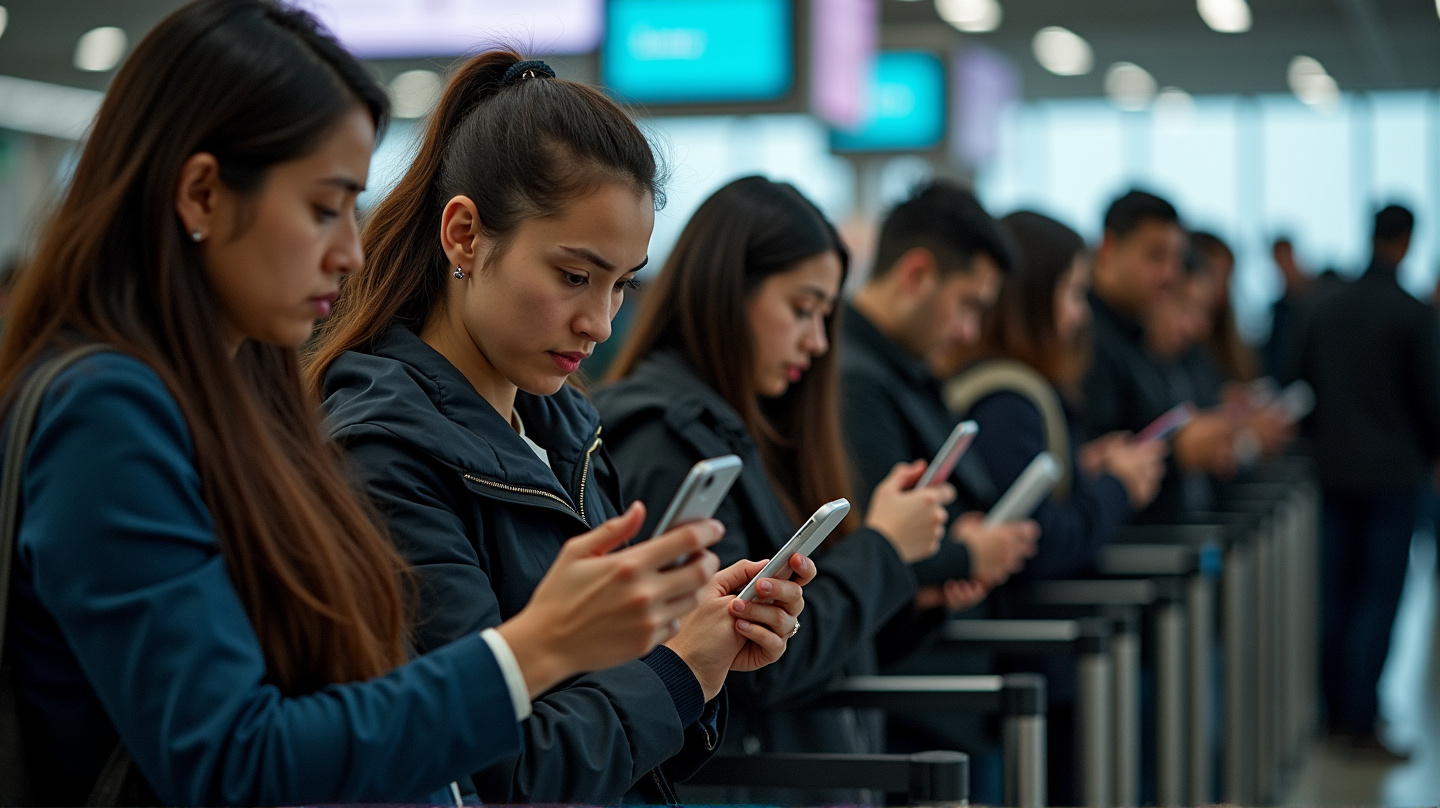
As the world becomes more interconnected, traveling across borders has never been more complicated—or scrutinized. In a potential shift in U.S. immigration policy, tourists might be facing requests to submit five years’ worth of their social media history to gain entry. This initiative, spearheaded by Customs and Border Protection, aims to enhance national security but has ignited significant conversation regarding privacy.
The Proposed Change
The proposal outlines requirements for travelers from approximately 40 countries who participate in the Visa Waiver Program. These tourists, who currently use the Electronic System for Travel Authorization (ESTA), may soon be mandated to disclose not only social media records but also extensive contact history. Information such as telephone numbers and email addresses from the past ten years may be reviewed—and it’s not just about the individual. The proposed check extends to family details, including metadata from electronically submitted photos and contact details.
A Long-standing Security Measure
The strategy follows a similar policy directed at non-visa waiver countries, originating in the Trump administration. The move persists through varying presidencies, underscoring a bipartisan commitment to bolster border controls. As stated during Trump’s tenure, the goal is clear: safeguard the nation by scrutinizing traveler backgrounds to prevent individuals with questionable motives from entering.
Balancing Security and Privacy
However, this quest for security is not without its challenges. Immigrants and privacy watchdogs express concerns about potential overreach and the unintended targeting of political adversaries. Critics argue the initiative could suppress free speech and privacy rights, akin to peering into one’s home under the guise of safety. In the midst of this debate, officials maintain that the proposal is merely a discussion starter, not a finalized policy.
Public Engagement and Potential Impacts
Before any changes can take effect, the public holds the reigns for 60 days to present their input. This period invites reflection on the delicate balance of ensuring national safety without impinging on personal freedoms. According to LiveNOW from FOX, all eyes will be on the feedback from citizens and stakeholders alike as this dialogue unfolds.
Should this proposal culminate in a new standard, it might redefine global travel and compel other countries to contemplate similar measures. Until then, tourists eyeing a U.S. visit may find themselves contemplating the digital trails they leave behind.
Will these changes turn into reality, or will they become a thought exercise in national security policy? The world is watching closely, ready to see the balance between privacy and protection tilt—or harmonize.