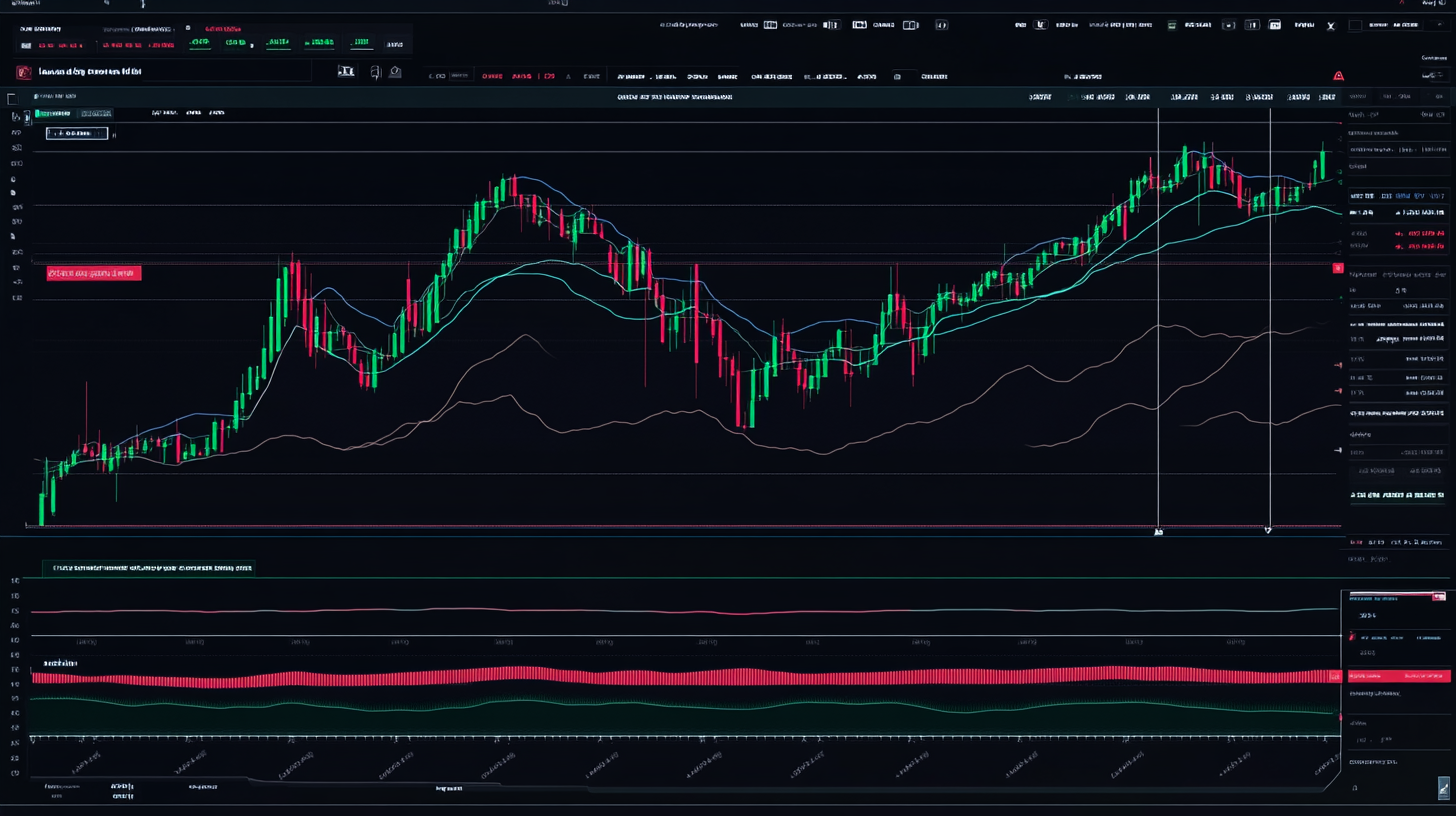
Velmorino Trading Platform Alternatives 2026: Reliable Options for Online Traders
Capital moves fast in 2026. Your broker should move faster—clean execution, predictable withdrawals, and a rulebook you can actually point to when things break. Velmorino sits in a familiar corner of the market: an offshore-style CFD offering (Forex first, indices/commodities on the side, and crypto CFDs for price exposure) wrapped in a proprietary WebTrader plus mobile apps. Typical conditions in this category include a $250 minimum deposit, leverage up to 1:500, and EUR/USD spreads that commonly hover around ~2.0 pips on a standard-style account. That package can feel “good enough” until you start scaling position size, running a systematic strategy, or you simply want clearer legal protections.
That’s why Velmorino alternatives keep trending upward in search and in trading communities—especially among US/EU traders who care about regulator oversight, segregated client funds, and practical features like robust order types, deeper reporting, and stable platform stacks (MT4/MT5/cTrader or institutional-grade proprietary). The goal of this guide isn’t to dunk on any single venue; it’s to help you map your strategy (and risk budget) to a broker that’s built for the next 12–24 months, not the last cycle. If you’re currently evaluating Velmorino, treat this as a due-diligence companion: a structured way to compare execution model, fees, instruments, and safety rails before you commit real capital.
Disclaimer: This article is for informational purposes only and does not constitute investment advice. CFDs and other leveraged products carry a high risk of loss and may not be suitable for all investors.
Key Takeaways (TL;DR)
- Offshore-style CFD brokers can offer high leverage, but regulated alternatives typically provide stronger recourse, clearer disclosures, and better-defined client-money rules.
- Compare brokers using round-turn trading cost (spread + commission + swaps), not just headline “from 0.0” spreads or maximum leverage.
- If you want real stocks/ETFs (not stock CFDs), prioritize multi-asset platforms like IBKR or Saxo that provide exchange access and detailed reporting.
What Is Velmorino and How Does Its Trading Platform Work?
In practical terms, Velmorino looks like a CFD-first brokerage experience aimed at retail traders who want quick access to Forex and index/commodity CFDs, plus crypto CFDs for directional bets. Publicly observed setups in this offshore segment are frequently linked to jurisdictions such as the Seychelles FSA rather than the FCA/ASIC/CySEC tier that most EU/UK traders associate with investor-compensation frameworks. The product design usually prioritizes simplicity—few account steps, high leverage, and a streamlined platform—over deep market access like listed equities, exchange-traded options, or futures. For people scanning platforms like Velmorino, the key question is less “can I place a trade?” and more “what happens operationally when I’m stressed—during volatility, a margin call, or a withdrawal?”
Velmorino Web Trading Platform: Core Features and Tools
The core experience is typically a proprietary WebTrader with a matching iOS/Android app—functional, but not built like a pro-grade workstation. Expect standard charting with common indicators, a handful of drawing tools, and basic order entry (market/limit/stop) that covers everyday CFD flows. Where these stacks often feel thin is workflow: fewer advanced order types, limited multi-chart layout depth, and less transparency around execution quality (slippage statistics, fill policy detail, and detailed order logs). Mobile parity is usually decent for monitoring and simple entries, yet portfolio analytics and reporting tend to be lightweight compared with regulated competitors that invest heavily in post-trade tooling.
Trading Fees, Spreads, and Account Types at Velmorino
Cost structure in this segment commonly follows a tiered pattern: a standard-style account where EUR/USD often prices around ~2.0 pips, and sometimes a “raw” or “pro” style option that pairs tighter spreads (often advertised near 0.0–0.4 pips) with a commission in the neighborhood of $5–$8 per round turn. On top of that, swap/overnight financing can become the real bill for multi-day CFD holds, especially during rate-cycle pivots. Also watch for operational costs—withdrawal fees, currency conversion charges, and inactivity rules—because competitors to Velmorino often win not just on spreads, but on predictable account economics.
When Do Traders Start Looking for Velmorino Alternatives?
Switching rarely starts with a spreadsheet. It starts with a moment: a trade that slips more than expected, a margin call that feels too abrupt, or a withdrawal that takes longer than your cash-flow plan allows. From there, Velmorino alternatives become less about “better charts” and more about tightening operational risk—regulation, execution model clarity (market maker vs. STP/ECN/DMA), and the ability to audit what happened when a fill looks off. Even if you love a simple WebTrader, scaling a strategy usually pushes you toward platforms built for repeatable processes: deeper reporting, more stable integrations, and clearer protections around client funds and dispute channels.
- You need MT4/MT5 or cTrader to run an EA, copy logic, or a rules-based strategy that a proprietary WebTrader can’t support cleanly.
- Your trading style depends on fast fills and you’re seeing inconsistent slippage during news-driven volatility.
- You want regulator-grade transparency (segregated client funds, negative balance protection policies, and published legal entities) rather than offshore ambiguity.
- You’re moving from “trying CFDs” to building a portfolio and need real stocks/ETFs instead of stock CFDs without shareholder rights.
How to Choose a Reliable Alternative to the Velmorino Trading Platform
Think of broker selection like picking cloud infrastructure: you’re not buying features, you’re buying failure modes. The right alternative depends on whether you’re optimizing for cost-per-trade, instrument breadth, strategy automation, or jurisdictional protection. Use a short list, test with small size, and evaluate the entire lifecycle: onboarding (KYC/AML), funding, execution, reporting, and withdrawals.
Regulation, Safety, and Investor Protection
Regulators shape the rules of the game. In the UK, FCA oversight can connect to the FSCS investor compensation scheme (up to £85,000 in eligible cases), while CySEC firms may fall under the ICF (up to €20,000, eligibility-dependent). ASIC and NFA/CFTC frameworks bring their own enforcement posture and reporting expectations. Look for segregated client funds disclosures and clear legal-entity naming; it’s the difference between “trust me” and “here’s the statute.”
Available Markets and Instruments
Most alternatives to the Velmorino trading platform split into two worlds: CFD-first brokers (FX, indices, commodities, crypto CFDs) and true multi-asset venues (stocks, ETFs, options, futures, bonds, plus FX). If your plan includes AI/tech equity exposure, you’ll care about whether you can own the underlying shares or you’re just trading a CFD wrapper. Match the product menu to your intent: short-term hedging vs. long-term compounding.
Trading Costs: Spreads, Commissions, and Other Fees
Headline spreads are marketing; round-turn cost is reality. For active FX traders, compare (spread × pip value) + commission, then add typical swap/overnight fees for your holding period. Inactivity fees and withdrawal costs matter more than people admit—especially if you trade in bursts. And if you’re considering Velmorino versus a regulated peer, put “funding friction” on the same scoreboard as spread and commission.
Platforms, Tools, and Execution Quality
Platform choice is strategy choice. MT4/MT5 ecosystems support EAs and a deep indicator library; cTrader is popular with execution-focused traders; proprietary platforms vary widely in stability and tooling. Execution model matters too: market maker setups can be fine for many retail flows, but STP/ECN/DMA-style routing (where offered) is often preferred for transparency. Evaluate latency, order types, and the broker’s language on slippage and re-quotes.
Support, Education, and Overall User Experience
When something breaks, response time becomes a cost. Look for multi-language coverage, clearly stated service hours, and a support channel that isn’t only email. Education is a bonus, but the real “UX” is clean reporting: statements, tax docs, and exportable trade history. Mobile apps should be more than a notification feed—risk controls and margin visibility should be first-class features.
Velmorino and Different Asset Classes: When Alternatives May Be Better
Velmorino Forex and CFD Trading
Velmorino’s sweet spot is typically FX and CFDs: roughly a few dozen FX pairs, a modest set of indices, and a short list of commodities—enough for directional trading, not enough for highly specific hedging. The trade-off is often cost and transparency: a standard-style EUR/USD spread around ~2.0 pips can be expensive for frequent trading, and execution disclosures can be less granular than what you’ll see at top regulated shops. If you’re running higher turnover, brokers like Pepperstone and IC Markets are often used by systematic traders because they pair MT4/MT5/cTrader with raw-style pricing (spread + commission) and clearer documentation on execution and order handling. Leverage can still be available, but remember the point: leverage amplifies both P&L and the speed of ruin.
Velmorino Stock and ETF Trading
For US/EU investors trying to ride secular trends—AI infrastructure, semis, robotics—owning the asset matters. Stock CFDs don’t give shareholder rights, voting, or the same corporate-action handling as direct market access; they’re a derivative exposure with financing costs baked in. Many platforms similar to Velmorino lean heavily toward CFDs, which is fine for short-term tactics but awkward for a long-horizon portfolio. This is where Interactive Brokers (IBKR) and Saxo Bank materially change the experience: you can access listed stocks and ETFs (and, depending on region, options and futures), build multi-currency portfolios, and pull institutional-grade reporting. If your “trade” is actually an investment thesis, multi-asset regulated venues close that gap.
Velmorino Crypto Trading
Crypto on CFD platforms is usually price exposure, not coin ownership. You’re trading a derivative—no on-chain withdrawals, no self-custody, and no staking—just P&L tied to the underlying reference price. That can be useful for hedging BTC/ETH risk or expressing a view without touching wallets, but it’s not the same thing as holding spot. Regulated options vs Velmorino include CFD brokers such as IG and Plus500, which are widely used in the UK/EU/AU for crypto CFDs where permitted, alongside indices and FX in a single account. Pay attention to weekend spreads, margin changes during volatility, and overnight financing—crypto CFDs can carry meaningful holding costs when markets are choppy.
Best Velmorino Alternatives for 2026: Comparison of Top Trading Platforms
Interactive Brokers (IBKR): Key Facts and How It Compares to Velmorino
Regulation: SEC/FINRA (US), FCA (UK), IIROC (Canada) (entity depends on region)
Markets: Stocks, ETFs, options, futures, bonds, FX
Fees: Generally low, product-dependent; FX pricing often commission-based with tight spreads for active traders (varies by venue and size)
Platform: Trader Workstation (TWS), IBKR Mobile, Client Portal, APIs
Best For: Multi-asset portfolio builders who want real market access
Pepperstone: Key Facts and How It Compares to Velmorino
Regulation: FCA, ASIC, CySEC, DFSA
Markets: FX and CFDs (indices, commodities; crypto CFDs where permitted)
Fees: Standard spreads often around ~1.0+ pip; Raw-style pricing commonly ~0.0–0.3 pips + commission (approx. $6–$8 round turn, region/product dependent)
Platform: MT4, MT5, cTrader (plus supporting tools depending on entity)
Best For: Systematic FX traders optimizing for tooling and execution
Saxo Bank: Key Facts and How It Compares to Velmorino
Regulation: FCA, MAS, DFSA (entity varies by location)
Markets: Stocks, ETFs, options, futures, bonds, FX, CFDs
Fees: Pricing varies by product and tier; FX spreads often competitive for larger accounts; commissions apply on exchange-traded products
Platform: SaxoTraderGO, SaxoTraderPRO
Best For: Global investors who value research-grade platforms
IC Markets: Key Facts and How It Compares to Velmorino
Regulation: ASIC, CySEC (group also operates an FSA Seychelles entity for some regions)
Markets: FX and CFDs (indices, commodities; crypto CFDs where available)
Fees: Raw accounts often quoted ~0.0–0.4 pips + commission (commonly about $6–$7 round turn on MT platforms, region dependent); standard accounts wider
Platform: MT4, MT5, cTrader
Best For: High-turnover scalpers who measure cost in pips and milliseconds
IG: Key Facts and How It Compares to Velmorino
Regulation: FCA, ASIC, MAS
Markets: CFDs (FX, indices, commodities, shares), spread betting (UK/IE), limited crypto CFDs where permitted
Fees: Costs vary by market; FX spreads commonly competitive on major pairs; financing applies to CFD holds
Platform: IG web platform, mobile apps (MT4 available in some regions)
Best For: Risk-managed CFD traders who want a long-running regulated brand
Plus500: Key Facts and How It Compares to Velmorino
Regulation: FCA, CySEC, ASIC, MAS
Markets: CFDs (FX, indices, commodities, shares; crypto CFDs where permitted)
Fees: Spread-based pricing; typical costs depend on instrument and volatility; overnight financing applies
Platform: Plus500 proprietary WebTrader and mobile apps
Best For: Beginners who want a clean, app-first CFD experience
Comparison Summary
| Platform | Regulation | Main Markets | Typical Costs | Best For |
|---|---|---|---|---|
| Interactive Brokers (IBKR) | SEC/FINRA, FCA, IIROC (by entity) | Stocks/ETFs/options/futures/bonds/FX | Product-based commissions; FX often tight with commissions | Multi-asset portfolio builders who want real market access |
| Pepperstone | FCA, ASIC, CySEC, DFSA | FX + CFDs | Raw ~0.0–0.3 pips + ~$6–$8 RT; Standard ~1.0+ pip | Systematic FX traders optimizing for tooling and execution |
| Saxo Bank | FCA, MAS, DFSA (by entity) | Multi-asset + CFDs | Tiered pricing; commissions on exchanges; competitive FX by tier | Global investors who value research-grade platforms |
| IC Markets | ASIC, CySEC (plus offshore entity for some regions) | FX + CFDs | Raw ~0.0–0.4 pips + ~$6–$7 RT; Standard wider | High-turnover scalpers who measure cost in pips and milliseconds |
| IG | FCA, ASIC, MAS | CFDs, spread betting (UK/IE) | Competitive major-pair spreads; CFD financing on holds | Risk-managed CFD traders who want a long-running regulated brand |
| Plus500 | FCA, CySEC, ASIC, MAS | CFDs across major asset classes | Spread-only model; overnight fees vary by instrument | Beginners who want a clean, app-first CFD experience |
How to Safely Move from Velmorino to Another Broker
Migration is less “account hopping” and more controlled change management. You’re reducing counterparty and execution risk while keeping your capital liquid and your records intact. Do it in sequence, assume volatility can spike mid-transfer, and avoid the trap of moving everything in one shot. If you’re exiting Velmorino, treat the process like a production rollout: verify, test small, then scale.
- Confirm the new broker’s authorization on the regulator’s public register (FCA Register, ASIC Connect, CySEC listings, or NFA BASIC) and match the legal entity name exactly.
- Open the new account and complete KYC/AML verification first (ID + proof of address), so you’re not stuck waiting while your funds are in transit.
- Flatten open exposure on the old account; brokers generally don’t transfer CFD positions across venues, so you’ll re-enter trades on the new platform if needed.
- Withdraw using the same funding rail you deposited with wherever possible; many brokers enforce this to satisfy AML controls and reduce chargeback risk.
- Export statements, trade history, and funding logs before you disengage—those files matter for taxes, audits, and dispute resolution.
Ready to Explore Velmorino?
If you’re still evaluating Velmorino side-by-side with regulated substitutes, check current onboarding steps, supported regions, and the platform stack you’ll actually trade on (web, mobile, MT4/MT5, or cTrader). Then compare total trading cost and withdrawal flow with a small test deposit before committing meaningful capital.
FAQ: Velmorino Alternatives and Trading Platforms
What is the best alternative to Velmorino in 2026?
The best alternative depends on whether you need real multi-asset access or primarily FX/CFDs. For owning stocks/ETFs and running a global portfolio, Interactive Brokers (IBKR) is hard to beat; for execution-focused FX with MT4/MT5/cTrader, Pepperstone or IC Markets are common picks. If you want a regulated, app-simple CFD workflow, Plus500 can fit—just expect spread-based pricing and CFD financing on holds.
Is Velmorino a safe broker/platform?
Velmorino appears to operate in an offshore/unregulated-style framework consistent with Seychelles-type oversight rather than FCA/ASIC/CySEC retail protections. That doesn’t automatically mean “scam,” but it does change your downside: fewer formal investor-protection mechanisms, less standardized disclosures, and weaker recourse paths if a dispute escalates. If safety is your priority, favor brokers that publish clear legal entities, segregated client funds policies, and are easy to verify on top-tier regulator registers.
Can I trade stocks, futures, or crypto with Velmorino?
With Velmorino, the center of gravity is typically Forex and CFDs, and crypto exposure is commonly offered as crypto CFDs rather than on-chain ownership. Real stocks/ETFs and listed futures are often not the main offering in this offshore CFD model, or they appear only as CFDs. If you want exchange-traded stocks, options, or futures, look at multi-asset brokers like IBKR or Saxo instead.
What should I check before switching from Velmorino to another platform?
Before switching, verify the new broker’s regulator and legal entity on an official register, then confirm client-money handling (segregated funds) and negative balance protection terms. Next, compare round-turn costs (spread + commission) and the swap/overnight schedule for your typical holding period. Finally, download your full statements from Velmorino and test the new platform with small size to observe slippage and margin behavior in real conditions.
About the Author: Michael Chang is a Silicon Valley investor with a Stanford CS + MBA background who approaches trading platforms like infrastructure: reliability, incentives, and failure modes matter as much as features. He writes about markets and broker mechanics from the lens of an active trader and builder—focused on risk controls, execution quality, and capital-efficient access to global assets.