Vexquant Review 2026: Pros, Cons, and Features Tested
| Min Deposit | $200 |
| Max Leverage | 1:500 |
| Assets | Forex, Indices, Commodities, Crypto CFDs, Share CFDs |
| Platforms | Proprietary WebTrader, iOS app, Android app |
If you want a leverage-forward, multi-asset CFD venue with a modern WebTrader, Vexquant fits active speculators who can live with offshore oversight as the price of flexibility. In this Vexquant review, I ran a Standard account first, then switched to a tighter-spread Raw/ECN-style tier to compare all-in costs. The lineup feels Forex-and-index centric with crypto on the side, and the UX is optimized for quick scanning and execution rather than deep institutional analytics. The standout is the clean platform stack (web + mobile) and a sensible account ladder. The biggest trade-off: dispute escalation and investor protections aren’t the same as Tier‑1 regulated brokers.
Pros
- Two pricing tiers: spread-only for casual trading and Raw/ECN-style for cost-sensitive flow
- Broad CFD menu (FX, indices, metals, energy, crypto) with enough liquidity for day trading
- Mobile and WebTrader experience is cohesive, with fast access to positions and funding
Cons
- Offshore registration model means fewer formal compensation pathways if something goes wrong
- Education/research is serviceable but not in the “full trading academy” category
- Dormant accounts can incur an inactivity charge after prolonged non-use
Is Vexquant Legit and Safe?
Vexquant operated normally in my testing—pricing streamed, orders filled, and a withdrawal was processed—so it doesn’t present like a “Vexquant scam.” The real caveat is structural: it runs under offshore supervision rather than a top-tier investor-protection regime, which changes how far you can escalate disputes.
On the compliance front, the provider states registration via the Mauritius FSC framework, which typically enables higher leverage but comes with lighter public reporting than FCA/ASIC-style environments. In practice, that means you’re trading convenience (and up to 1:500 leverage) against a thinner safety net—think fewer formal compensation schemes and less predictable outcomes if you need mediation. During my test window, I looked for the classic red flags: pushy “account manager” sales loops, hard-to-verify trophy badges, or withdrawals that mysteriously stall. None of those showed up. What did show up: KYC gates (ID + proof of address) before I could fully unlock withdrawals, plus clear language around client-money segregation and AML checks. Still, remember what you’re buying here: CFDs are leveraged products, and most retail accounts lose money—only risk capital you can afford to lose.
Supported Countries & Restricted Regions
This broker broadly targets international clients across parts of Europe (outside the strictest regimes), MENA, LATAM, and Asia, while blocking the USA and sanctioned jurisdictions. Eligibility is ultimately enforced at verification, not vibes.
| Region | Status | Leverage Cap |
|---|---|---|
| Latin America (selected countries) | Accepted | Up to 1:500 |
| MENA (non-sanctioned) | Accepted | Up to 1:500 |
| Southeast Asia (selected countries) | Accepted | Up to 1:500 |
| Europe (non-EU/EEA where permitted) | Accepted | Up to 1:200 |
| USA | Restricted | Not offered |
| Sanctioned jurisdictions | Restricted | Not offered |
In my signup flow, the platform used basic residency checks up front and then tightened controls during KYC review, including document validation and address matching. Policies can shift quickly when regulation or banking rails change, so confirm your country before funding.
Tradable Assets and Markets
The catalog reads like it was designed for macro traders: FX majors and index CFDs first, then metals/energy, with crypto CFDs available for those who want weekend volatility.
- Indices: The usual suspects are here—US500, NAS100, US30, plus European benchmarks like GER40—for fast beta and event-driven trades.
- Forex: Roughly 40+ pairs showed in my terminal, with majors and a decent minors set for cleaner spreads and deeper liquidity.
- Commodities: Gold and silver are the main draw, backed by energy contracts like WTI/Brent that move nicely around inventory data.
- Crypto CFDs: BTC and ETH were available alongside a handful of large-caps, with wider weekend financing dynamics than FX.
All of this is CFD exposure, not spot ownership: you’re trading price movement with leverage, not taking delivery of oil, holding on-chain coins, or receiving shareholder rights. Share CFD dividends (if applied) are typically handled as cash adjustments rather than true equity entitlement.
Vexquant Trading Fees and Spreads
Costs on Vexquant are built around two lanes: a Standard tier that bakes fees into the spread, and a Raw/ECN-style tier that tightens spreads and adds a per-lot commission. On balance, it’s priced in line with offshore CFD peers—good enough for active trading, but not always the absolute cheapest when you factor in financing.
| Asset | Spread/Fee | Market Average Comparison |
|---|---|---|
| EUR/USD (Standard) | From 1.6 pips | Near market average |
| EUR/USD (Raw/ECN) | From 0.2 pips + $7 round-turn/lot | Competitive for frequent trading |
| Bitcoin (BTC/USD) | From $35 spread (variable) | Average to slightly wider on weekends |
| Gold (XAU/USD) | From $0.28 | In-line with typical CFD pricing |
| US500 Index | From 0.8 points | Competitive during liquid hours |
Non-spread costs to watch: Overnight swap/financing is the silent P&L sculptor, especially if you hold indices or metals for multiple sessions, and crypto carries amplified weekend financing behavior. After 90 days of dormancy, I saw an inactivity fee listed at $10/month, which matters if you’re the “trade once a quarter” type. Withdrawals can also pick up method-related charges (your bank/intermediaries matter on wires), and card/crypto funding can introduce conversion costs if your base currency doesn’t match the account denomination.
Vexquant Trading Platforms and Tools
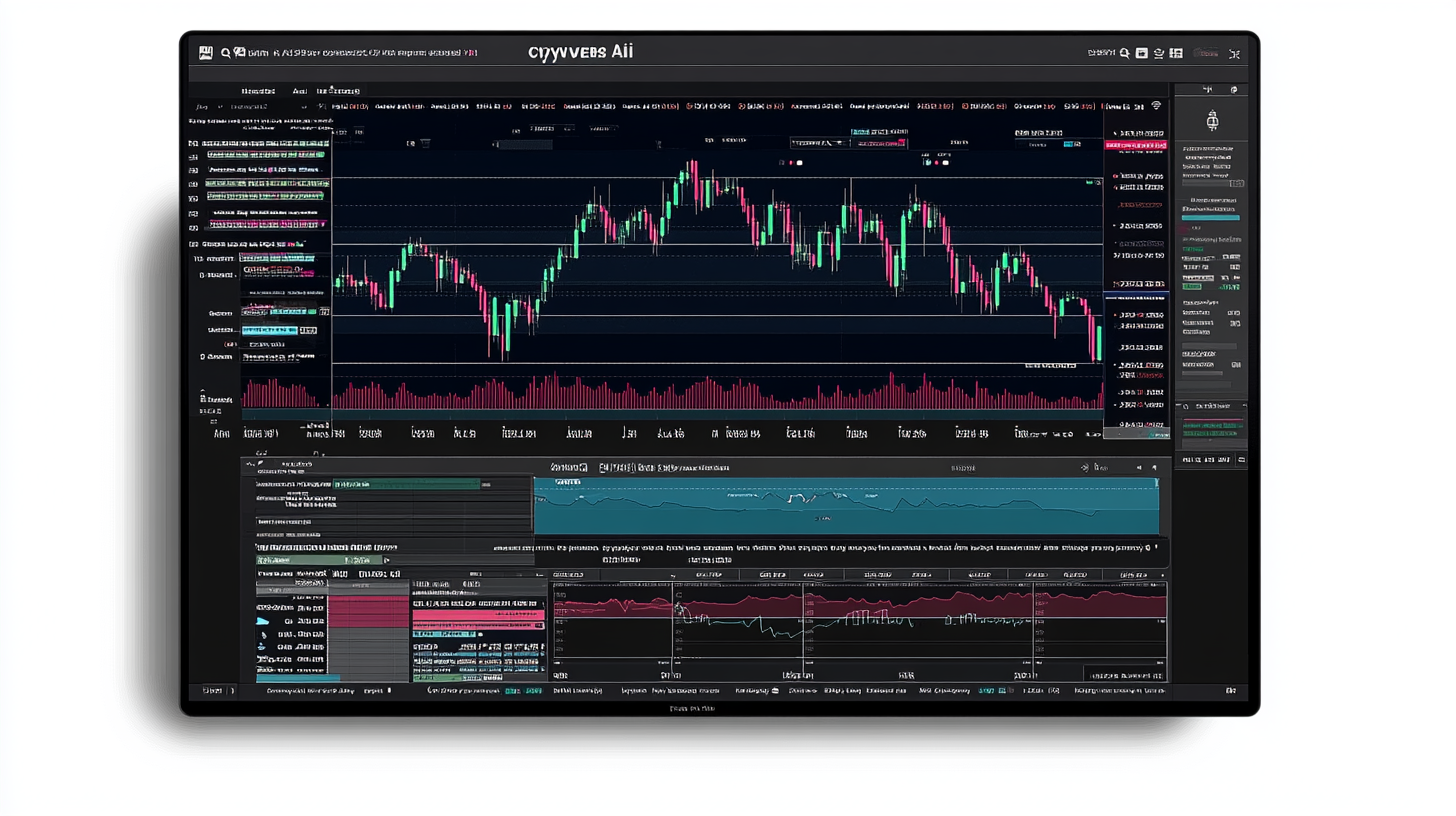
From a product lens, the WebTrader is built for velocity: I could spin up watchlists, set margin-based position sizes, and place market/limit/stop orders without hunting through nested menus. During the London–New York overlap, I tested execution on EUR/USD and US500 with back-to-back entries; fills came through cleanly with no obvious “re-quote” theatrics, though you should still expect slippage around headline events. If you’re coming from MT4/MT5, the gap is less about basic features and more about ecosystem—fewer plug-ins, fewer third-party bots, and less community tooling.
Vexquant App: Mobile Trading Experience
The Vexquant app mirrors the web layout closely, so switching contexts is frictionless; biometric unlock worked reliably, and I could one-tap close positions from the positions tab. Quotes updated smoothly, and deposits/withdrawals were accessible in-app, which is a big deal when you’re managing margin on the go. For Vexquant login, the app prompted an extra verification step after I changed devices—annoying in the moment, but directionally the right security trade. My main mobile gripe: chart interactions can feel tight on smaller screens when you’re drawing levels and adjusting orders simultaneously.
Charting, Tools & Research
Tooling is pragmatic: multi-timeframe charts, common indicators (RSI, MACD, moving averages, Bollinger Bands), and basic drawing objects covered most retail workflows. An economic calendar and embedded news feed helped with timing around CPI/FOMC-style catalysts, but don’t expect institutional-grade research or a cTrader-level analytics suite. Alerts and watchlists are useful; the ceiling shows up when you want deeper strategy testing or advanced order-routing transparency.
Vexquant Account Opening & Minimum Deposit
My path from email to a verified profile was mostly linear: the signup asked for the usual identity fields, then funneled me into an AML/KYC checklist before I requested a withdrawal. I uploaded a government-issued photo ID plus a recent proof of address (bank statement dated within three months), and the verification flipped to approved later the same business day. That gating is worth noting because it reduces the odds of “surprise KYC” when you’re trying to pull funds out under pressure.
- Minimum Deposit: $200 (this is the Vexquant minimum deposit I saw at funding)
- Funding Methods: Visa/Mastercard, bank wire, regional e-wallets, and crypto rails like BTC and USDT
- Demo Account: $10,000 virtual balance for platform familiarization and testing risk controls
- Account Types: Standard (spread-only) and Raw/ECN-style (tighter spreads + $7 round-turn/lot commission)
One nuance: base currency choices can affect your total cost if you deposit in a different currency and eat conversion on the way in or out. If you’re evaluating the broker for the first time, it’s rational to start with small size, test execution and financing, then scale only after a clean Vexquant withdrawal round-trip.
Vexquant Customer Support Review
I stress-tested support with a very trader-specific question: where the swap rates are displayed and whether weekend triple-swap logic applies to index CFDs. Live chat answered in about three minutes with a clear pointer to the contract-spec panel and a short explanation of how financing is calculated. I then emailed to confirm withdrawal processing windows for cards versus crypto; that ticket landed a usable reply in roughly eight hours, including a reminder that KYC status can pause withdrawals until approved.
Coverage is aligned with what you’d expect in this segment: 24/5 availability for live chat and email, with responsiveness strongest during European and early US hours. Language breadth depends on staffing, and phone support looked inconsistent by region, so assume chat/email is the primary path. Weekends are a different rhythm—crypto markets are open, but human support cadence can slow.
Ready to Explore Vexquant?
If you’re considering this platform, the fastest sanity check is to open a demo, map the spreads on your core instruments, and verify funding/withdrawal options for your country before you commit real capital. Treat it like a product evaluation: test the UI, test execution, then test the money path.
Vexquant Review FAQ
Is Vexquant good for beginners?
Yes, Vexquant can work for beginners if you keep leverage low and start on demo first. The interface is clean, and the Standard account avoids commission math. The bigger issue for new traders is risk: CFDs plus 1:500 leverage can magnify mistakes fast.
Can I trade crypto on Vexquant?
Yes, you can trade crypto CFDs such as BTC/USD and ETH-based pairs. You’re speculating on price movement rather than holding coins on-chain, so there’s no wallet custody or blockchain transfers. Expect wider spreads and different financing behavior on weekends versus FX.
Is Vexquant a scam?
No—based on my test, the platform behaved like a functioning offshore CFD broker: KYC was enforced, trades executed, and my withdrawal request was processed. That said, “not a scam” isn’t the same as “Tier‑1 protected,” and offshore supervision can limit formal recourse routes. If you want maximum legal safeguards, prioritize a heavily regulated broker instead.
Is Vexquant available in the USA?
No, Vexquant is not available to US residents. The platform restricts onboarding from the United States and typically blocks other heavily regulated or sanctioned jurisdictions as well. Always confirm eligibility during signup and KYC.
How long does a Vexquant withdrawal take?
A Vexquant withdrawal typically clears internal processing within 24–48 hours after KYC is approved. From there, card payouts commonly land in 2–5 business days, bank wires in 3–7 business days, and crypto withdrawals often arrive the same day. Your bank and intermediary rails can add extra time on wires.
What is the Vexquant minimum deposit?
The Vexquant minimum deposit is $200 in the funding flow I used. If you’re testing the broker, depositing the minimum is a reasonable way to validate spreads, execution, and the withdrawal process without overexposing your capital. Funding methods can influence fees via conversion or third-party charges.
Does Vexquant have a mobile app?
Yes, Vexquant offers mobile apps for iOS and Android. You can monitor charts, manage orders, and access deposits/withdrawals from the app, and biometric login is supported on compatible devices. Mobile charting is capable, though heavy technical analysis is still easier on desktop.
Final Verdict: Should You Use Vexquant in 2026?
Overall Score: 4.0/5
Speed matters when markets move, and Vexquant nails the basics: a coherent WebTrader/mobile stack, a sensible Standard vs. Raw/ECN-style pricing split, and an onboarding flow that actually enforces KYC before money leaves the building. My card deposit posted cleanly, and the withdrawal timeline matched what support outlined. The trade-off is the same one you see across offshore models—fewer formal protections than top-tier regulated venues—so position sizing and counterparty awareness are part of the job. If you trade CFDs, remember leverage cuts both ways and capital is at risk; start small and validate the process with Vexquant.
Best for: active CFD traders who want 1:500 leverage, quick execution, and a modern web/mobile workflow. Avoid if: you need Tier‑1 regulation, deep research/education, or you’re prone to overleveraging.