Yoga Den Review 2026: Pros, Cons, and Features Tested
| Min Deposit | $200 |
| Max Leverage | 1:500 |
| Assets | Forex, Indices, Commodities, Crypto CFDs, Share CFDs |
| Platforms | Proprietary WebTrader + iOS/Android mobile apps |
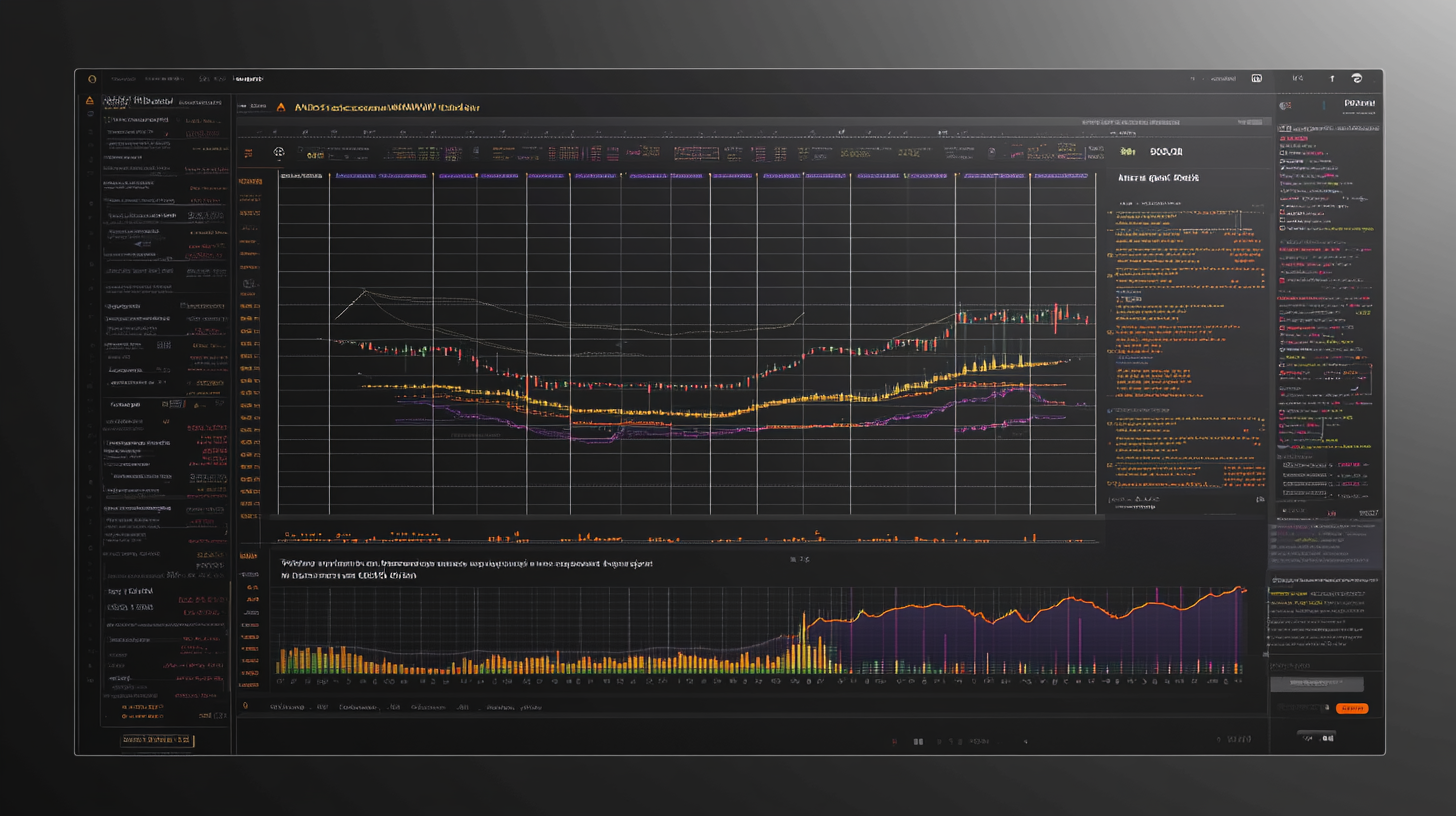
Built for traders who want fast access to leveraged CFDs without the heavy “big-bank broker” feel, Yoga Den fits active, risk-aware users—but you’re accepting an offshore framework as the price of that flexibility. In this Yoga Den review, I ran both the Standard and Raw-style tiers and found the pricing structure consistent: simpler spreads on entry accounts, tighter quotes plus commission for higher-frequency styles. The lineup leans multi-asset (forex, indices, metals, crypto CFDs), and the stack is proprietary WebTrader plus mobile. The upside is clean execution tooling for the basics; the friction point is that ecosystem depth (think MT4/MT5 plug-ins) and top-tier regulatory backstops aren’t the headline. For a quick look at the interface, start at Yoga Den.
Pros
- Two clear pricing lanes: spread-only vs. Raw-style with commission for tighter quotes
- Web + mobile platform felt responsive with practical order controls and watchlists
- Solid multi-asset CFD menu including majors in FX and the big index contracts
Cons
- Offshore registration means fewer formal dispute and compensation mechanisms
- Education/research is functional, not deep enough for serious macro-driven traders
- Dormant-account cost applies after inactivity, which can bite long-term holders
Is Yoga Den Legit and Safe?
Yoga Den appears legit in the operational sense: I was able to register, pass KYC, trade, and withdraw—so it didn’t behave like a “vanish-with-your-deposit” setup. That said, it runs under an offshore registration model, which changes what “safe” means compared with Tier-1 regulated brokers.
The provider presented a Mauritius FSC registration footprint in the legal pages I checked during onboarding, and the practical implication is straightforward: higher leverage and looser product constraints often come bundled with weaker investor compensation schemes and a tougher escalation path if a dispute turns messy. My red-flag scan focused on three things—withdrawal friction, sales pressure, and marketing theater. I didn’t get aggressive phone pushes after funding, the dashboard didn’t flash fake “award” badges, and the withdrawal request actually moved through statuses instead of stalling. On the safeguards side, KYC was enforced (ID + proof of address), and the broker’s policy language referenced segregated client funds, though offshore wording isn’t the same as strict auditing in a top jurisdiction. Remember: CFDs are leveraged products; margin calls can happen fast, and most retail traders lose money trading CFDs.
Supported Countries & Restricted Regions
This broker is broadly accessible across many international regions, especially parts of Asia, MENA, and LATAM, while the USA and sanctioned jurisdictions are blocked. Eligibility is verified during signup and again at KYC.
| Region | Status | Leverage Cap |
|---|---|---|
| Southeast Asia | Accepted | Up to 1:500 |
| MENA (select countries) | Accepted | Up to 1:500 |
| Latin America | Accepted | Up to 1:500 |
| Europe (non-EU/EEA) | Accepted | Up to 1:500 |
| USA | Restricted | Not offered |
| Sanctioned jurisdictions | Restricted | Not offered |
In my flow, IP/location checks showed up at registration, but the real gate was KYC—country and document consistency mattered more than the browser location alone. Policies can shift, so if you travel or hold multiple residencies, confirm eligibility before depositing.
Tradable Assets and Markets
The catalog feels designed for people who rotate between macro themes: currencies for daily liquidity, indices for risk-on/risk-off, and crypto CFDs for volatility spikes. You’re not getting every niche market, but the core set is there for most directional strategies.
- Indices: Major benchmarks like US500 and NAS100 plus regional contracts such as GER40 for broad beta exposure.
- Forex: Roughly 40+ pairs including majors and a handful of higher-spread exotics for event-driven trades.
- Commodities: XAU/USD and XAG/USD alongside energy markets like WTI/Brent, useful for inflation narratives.
- Crypto CFDs: BTC/USD and ETH/USD plus several large-cap tokens—volatile, with weekend financing dynamics.
- Share CFDs: A curated list of US/EU blue chips for tactical earnings-season positioning.
All of this is CFD exposure: you’re trading price movement, not taking ownership. That means no shareholder voting rights, and “crypto” here is not on-chain custody—just a contract with the broker.
Yoga Den Trading Fees and Spreads
Costs are organized around two tracks: Standard accounts pay via the spread, while the Raw/ECN-style option tightens the spread and adds a per-lot commission. On my test tickets, total pricing landed in the middle of the offshore CFD pack—competitive on the Raw tier, less special on the entry tier.
| Asset | Spread/Fee | Market Average Comparison |
|---|---|---|
| EUR/USD (Standard) | From 1.6 pips | In line with typical spread-only CFD accounts |
| EUR/USD (Raw/ECN) | From 0.2 pips + $7 round-turn/lot | Competitive for active trading; commission is standard for this tier |
| Bitcoin (BTC/USD) | From $28 | About average; can widen in fast markets |
| Gold (XAU/USD) | From $0.28 | Reasonable versus many multi-asset CFD menus |
| US500 Index | From 0.8 points | Typical for offshore-style index CFDs |
Non-spread costs matter more than most people model. Overnight swap/financing hit my positions immediately after rollover, and weekend financing made crypto holds noticeably more expensive than intraday trading. The platform also lists an inactivity fee of $10 per month after 90 days without trading activity, which is easy to forget if you treat this broker like a long-term “park it” account. Finally, multi-currency deposits can introduce conversion costs at your bank or card issuer, and some withdrawal rails may pass through intermediary fees depending on region.
Yoga Den Trading Platforms and Tools
WebTrader is the center of gravity here, and it behaved like a modern single-page trading terminal: stable sessions, quick symbol search, and clean ticket controls. I stress-tested execution during the NY/London overlap on EUR/USD with market and limit orders; fills were prompt, with a small slippage bump when a data headline hit the tape. If you’re used to the MT4/MT5 ecosystem (EAs, custom indicators, huge community marketplace), this is a simpler environment—fine for discretionary trading, thinner for automation-heavy workflows.
Yoga Den App: Mobile Trading Experience
The Yoga Den app mirrors the WebTrader layout without feeling cramped: live quotes, one-tap position management, and account funding/withdrawal controls live in the same navigation. The Yoga Den login held sessions reliably on my device, and biometric unlock was available, which I’d call table-stakes in 2026. Order types covered market, limit, and stop, plus quick “close all” actions—useful when volatility goes nonlinear. One quirk: dense charts on smaller screens can make precise drawing tools fiddly.
Charting, Tools & Research
Tooling is pragmatic: multi-timeframe charts, a familiar indicator set (MA, RSI, MACD, Bollinger), and drawing objects for basic structure work. An economic calendar and integrated news feed help with event awareness, but it won’t replace a dedicated research terminal or advanced strategy tester. Watchlists and alerts did the job for monitoring margin and key levels, though power users may still miss cTrader/MT5-grade customization.
Yoga Den Account Opening & Minimum Deposit
Instead of the usual “ten screens of friction,” the signup asked for the essentials (email, password, residence, and trading profile questions) and then pushed me into identity verification. KYC required a government-issued photo ID and a proof of address dated within the last three months; my verification cleared the same business day. From a workflow perspective, it’s optimized for getting you into the platform quickly, but AML checks are real—expect a pause if your documents don’t match your stated country.
- Minimum Deposit: $200 (this is the Yoga Den minimum deposit I saw at funding)
- Funding Methods: Visa/Mastercard, bank wire, regional e-wallets, and crypto (BTC/USDT)
- Demo Account: $10,000 virtual balance for testing spreads, margin behavior, and order placement
- Account Types: Standard (spread-only) and Raw/ECN-style (tighter spreads + commission)
Account base currency options were clear at setup; pick thoughtfully if your salary and bank sit in a different currency to reduce conversion drag. For my test, I funded by card, then later used the portal to request a crypto withdrawal—both were accessible from the same wallet screen on Yoga Den.
Yoga Den Customer Support Review
I used live chat with a practical question: where exactly to find instrument-specific swap rates and how they’re applied over weekends. The agent pointed me to the contract-specs panel and explained the triple-swap timing without deflecting into marketing; the chat queue took about three minutes before a human picked up. For a second pass, I emailed support asking whether card withdrawals require the same-name rule when a card has been reissued; the ticket reply landed in roughly nine hours with a clear “yes” and a suggested workaround (bank transfer) if the old card is closed.
Coverage is aligned with the market week: 24/5 availability, with weekend response slower unless it’s an automated help prompt. Language options depend on region, and phone support wasn’t pushed as the primary channel in my dashboard—email and chat felt like the main rails. Relative to peers in the offshore CFD category, the support experience was more “operator” than “sales desk,” which I consider a positive signal.
Ready to Explore Yoga Den?
If you’re evaluating this broker, I’d start by checking the live spread panel during your usual trading hours and running a demo to see how margin and slippage behave around news. Once that matches your risk plan, verify your region, complete KYC, and only then consider funding.
Yoga Den Review FAQ
Is Yoga Den good for beginners?
Yes, but with guardrails. The interface is clean, the demo account helps, and the Standard tier avoids commission math—yet 1:500 leverage can punish beginners fast. Start small, keep position sizing tight, and treat CFDs as high-risk instruments.
Can I trade crypto on Yoga Den?
Yes, you can trade crypto CFDs such as BTC/USD and ETH/USD. You’re speculating on price, not withdrawing coins to an on-chain wallet, and financing charges can apply—especially over weekends.
Is Yoga Den a scam?
No, it didn’t present scam behavior in my testing: KYC was enforced, trading worked as expected, and my withdrawal processed. The real caveat is jurisdiction—offshore registration means fewer formal investor protections than a Tier-1 licensed broker.
Is Yoga Den available in the USA?
No. USA residents are restricted, and attempts to onboard typically fail at eligibility checks and KYC verification.
How long does a Yoga Den withdrawal take?
Most withdrawals are queued internally within 24–48 hours after KYC approval. Receipt depends on the rail: cards usually take 2–5 business days, wires can take 3–7 business days, and crypto often lands the same day once approved.
What is the Yoga Den minimum deposit?
The Yoga Den minimum deposit is $200. That threshold is enough to test real spreads and execution, but it’s still wise to risk only what you can afford to lose when trading leveraged CFDs.
Does Yoga Den have a mobile app?
Yes. The Yoga Den app is available on iOS and Android and includes charting, order placement, and wallet functions for deposits and withdrawals. It’s strong for monitoring and execution on the go, with a simpler toolset than desktop power platforms.
Final Verdict: Should You Use Yoga Den in 2026?
Overall Score: 4.1/5
For an offshore CFD venue, Yoga Den is surprisingly coherent: the tiering makes sense, WebTrader feels modern, and the end-to-end flow (KYC → trade → withdrawal) worked without drama in my test. Active traders who care about spread-plus-commission transparency will likely prefer the Raw-style pricing, while casual users should watch the $10/month inactivity fee after 90 days. Keep the big picture in view—high leverage cuts both ways, and CFDs put your capital at risk. If you want to sanity-check the platform yourself, start with Yoga Den.
Best for: Risk-managed, multi-asset CFD traders who want a clean WebTrader + mobile stack and are comfortable with offshore regulation. Avoid if: You need Tier-1 regulatory protection, deep automation (MT4/MT5 ecosystems), or you’re prone to over-leveraging.