Zhondaruve Review 2026: Pros, Cons, and Features Tested
| Min Deposit | $200 |
| Max Leverage | 1:500 |
| Assets | Forex, Indices, Commodities, Crypto CFDs, Share CFDs |
| Platforms | Proprietary WebTrader + iOS/Android mobile apps |
Built as a multi-asset CFD venue, Zhondaruve fits traders who want fast access to forex and index risk with high leverage—at the cost of operating under an offshore framework and the extra self-discipline that requires. In my 2026 check, the account stack felt like a two-lane highway: a spread-only Standard tier for casual sizing, and a tighter-spread Raw/ECN-style tier aimed at frequent execution. The lineup is broad enough for macro (US500, gold, majors) and a bit of crypto beta, while the proprietary WebTrader keeps things lightweight versus heavyweight MT4/MT5 ecosystems. One standout: the platform UI makes margin and exposure hard to ignore. The drawback: fewer formal protections than top-tier regulated brokers—so risk controls need to be yours, not theirs. For a quick look, start at Zhondaruve.
Pros
- Two account styles (spread-only vs. Raw/ECN-style) that map cleanly to different trading frequencies
- Solid multi-asset coverage for CFD traders: majors, indices, metals, and large-cap crypto CFDs
- Mobile + WebTrader workflow is cohesive, with margin and P/L visible without digging
Cons
- Offshore registration model means weaker dispute escalation and compensation mechanisms
- Education/research depth is functional, not institutional-grade
- Inactivity charges can show up if you park an account and forget it
Is Zhondaruve Legit and Safe?
Zhondaruve appears operational and legitimate in the narrow sense that it provides trading access, enforces identity checks, and processes withdrawals in a standard timeframe. It is not “risk-free,” and it doesn’t carry the same investor protections you’d expect from a top-tier regulator—because it’s run under an offshore model.
I dug into the trust surface the way I’d sanity-check any obscure system: corporate disclosures, onboarding friction, and whether money can leave as easily as it enters. The broker presents itself under a Seychelles FSA-style offshore registration approach, which usually translates into more flexible leverage and fewer guardrails around dispute resolution. During my test window, there was no aggressive “account manager” pressure and no weird trophy-case of unverifiable awards plastered across key flows—two common red flags in this segment. On the positive side, KYC/AML was enforced (ID + proof of address), and the legal language referenced segregated client funds, though offshore wording doesn’t equal a Tier-1 guarantee. Bottom line: treat it as a higher-risk venue, keep position sizing rational, and remember CFDs are leveraged products—most retail accounts lose money and capital is at risk.
Supported Countries & Restricted Regions
This broker generally accepts clients across parts of Asia, Africa, MENA, and select non-EU European jurisdictions, subject to local rules. The USA and sanctioned jurisdictions are not onboarded.
| Region | Status | Leverage Cap |
|---|---|---|
| Southeast Asia | Accepted | Up to 1:500 |
| MENA (non-sanctioned) | Accepted | Up to 1:500 |
| Sub-Saharan Africa | Accepted | Up to 1:500 |
| Latin America | Accepted | Up to 1:500 |
| USA | Restricted | Not offered |
| Sanctioned jurisdictions | Restricted | Not offered |
Access is typically enforced via a mix of signup declarations, IP/location checks, and KYC review before withdrawals. Eligibility can shift when the provider updates its country policy or when local regulators change their stance on CFD distribution.
Tradable Assets and Markets
The product shelf feels “macro-first”: indices and FX are front-and-center, with commodities and crypto CFDs available when you want volatility on demand. If you’re building a simple playbook (USD strength, risk-on/off, inflation hedges), the menu covers the bases.
- Indices: US500, NAS100, US30, GER40, and UK100 are the core benchmarks, useful for session-based momentum or hedging equity exposure.
- Forex: 40+ pairs across majors and a slice of minors, with spreads that make sense for intraday execution on liquid crosses.
- Commodities: Gold and silver sit alongside energy (WTI/Brent), giving you clean expressions around CPI, OPEC headlines, or USD moves.
- Crypto CFDs: BTC and ETH lead the list with additional large caps; expect wider weekend financing dynamics versus FX.
- Share CFDs: A curated set of US/EU blue chips for directional trades without building a full equity portfolio.
All of this is CFD exposure, not spot ownership: you’re trading price movement with leverage, not taking custody of crypto or receiving shareholder rights. Dividends (where applicable) are typically handled as adjustments rather than ownership income.
Zhondaruve Trading Fees and Spreads
Zhondaruve fees follow the familiar two-tier pattern: Standard accounts pay via spread-only pricing, while a Raw/ECN-style option targets tighter spreads plus a per-lot commission. On liquid markets, the total cost lands in the “typical offshore CFD broker” zone—fine for active traders who respect execution math, less ideal if you’re ultra-fee-sensitive.
| Asset | Spread/Fee | Market Average Comparison |
|---|---|---|
| EUR/USD (Standard) | From 1.6 pips | Around average for offshore CFD pricing |
| EUR/USD (Raw/ECN) | From 0.2 pips + $7 round-turn/lot | Competitive if you trade size; commission is in line with peers |
| Bitcoin (BTC/USD) | From $35 spread | Mid-pack; can widen on weekends |
| Gold (XAU/USD) | From $0.25 | Reasonable for intraday gold flows |
| US500 Index | From 0.8 points | Close to segment norms |
Non-spread costs that matter over time: Overnight swap/financing is the quiet line item that can dominate returns if you hold leveraged CFDs for days. I also noted an inactivity fee of $10/month once an account sits dormant for 90 days, which is the kind of thing that punishes “set-and-forget” users. On the rails side, withdrawals may include method-dependent processing charges, and funding in a non-base currency can add conversion costs—so keep your deposit currency aligned with your account where possible. For a quick cross-check of current conditions, I verified the fee schedule inside Zhondaruve before placing test orders.
Zhondaruve Trading Platforms and Tools
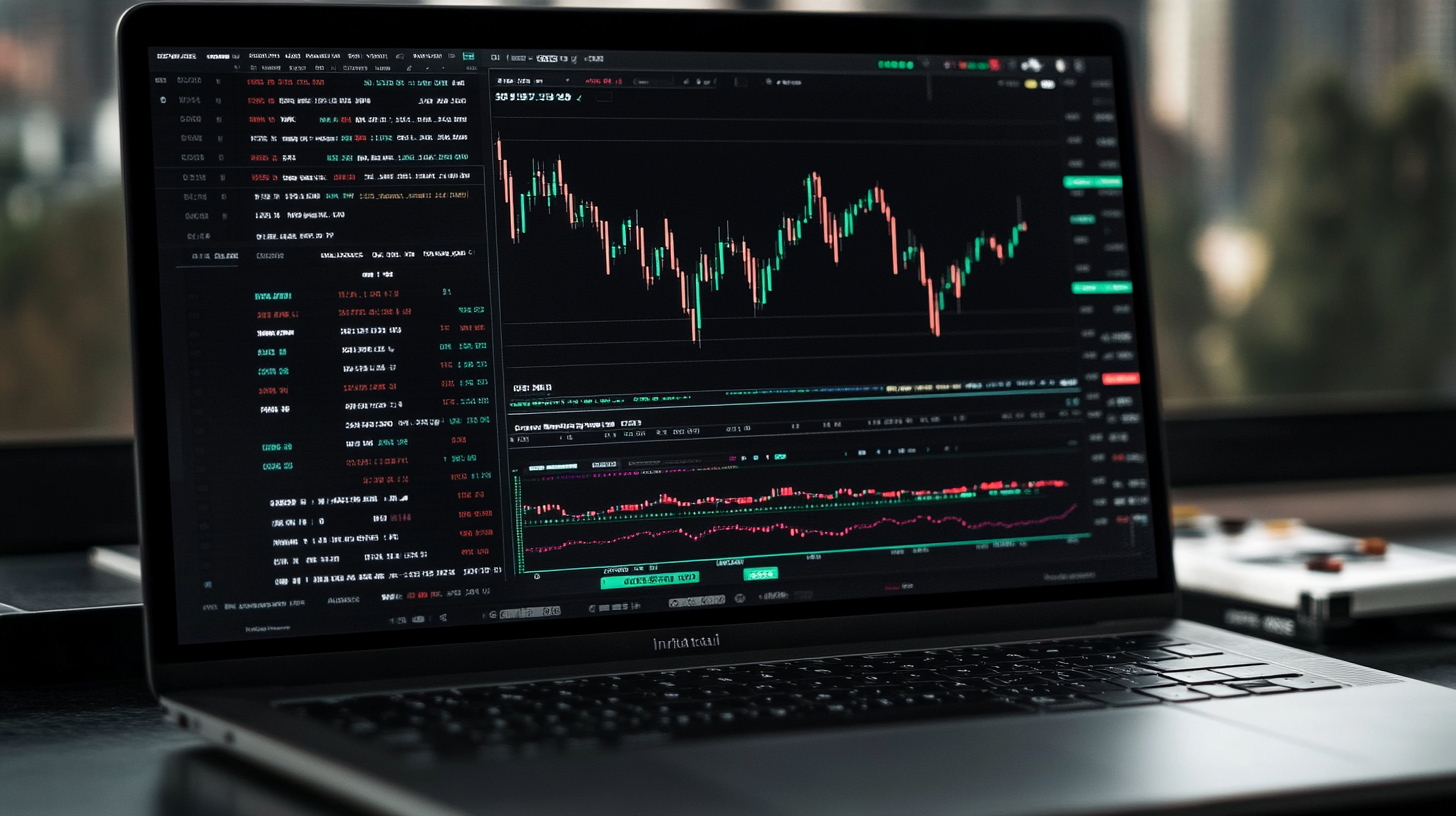
From a product-design lens, the proprietary WebTrader is optimized for speed-to-decision: stable session persistence, clean instrument search, and chart + order ticket coexisting without the “platform sprawl” you get in legacy terminals. Order types covered what I’d expect for retail CFDs (market, limit, stop, plus SL/TP), and the fill quality on liquid instruments felt consistent during the NY/London overlap. The trade-off is ecosystem depth: if you live inside MT4/MT5 plugins, custom EAs, or a huge indicator marketplace, this platform won’t replicate that universe.
Zhondaruve App: Mobile Trading Experience
The Zhondaruve app mirrors the web layout closely, which matters when you’re managing risk away from a desk. Zhondaruve login supported biometric unlock on my device, quotes updated smoothly, and one-tap position management (close, partial close, modify SL/TP) was easy to reach. Funding and withdrawals were accessible in-app, and push notifications for price alerts worked reliably after enabling permissions. My only nit: on smaller screens, the depth of the order ticket can feel cramped when you’re adjusting levels quickly.
Charting, Tools & Research
Tooling is practical rather than fancy: multi-timeframe charts, the usual indicator set (MA, RSI, MACD, Bollinger), drawing tools, and watchlists that sync across devices. An embedded economic calendar and news feed are there for context, but don’t expect institutional research notes or deep quant analytics. If you want heavy strategy testing or complex automation, you’ll still end up pairing this with external tooling.
Zhondaruve Account Opening & Minimum Deposit
My onboarding path started with an email + password, then a short profile questionnaire that leaned into AML basics (residency, experience, and source-of-funds prompts). Verification required a government-issued photo ID and a proof of address dated within three months; once uploaded, approval landed the same business day. The flow is designed to push KYC earlier rather than surprising you at the first cash-out, which I prefer when I’m validating a new broker.
- Minimum Deposit: $200
- Funding Methods: Visa/Mastercard, bank wire, regional e-wallets, and crypto (BTC, USDT)
- Demo Account: $10,000 virtual balance for testing spreads, platform latency, and order behavior
- Account Types: Standard (spread-only) and Raw/ECN-style (tight spreads + commission)
For anyone searching “Zhondaruve minimum deposit,” the $200 entry point is realistic for learning—but still enough to get hurt if you crank leverage. Base currency options were standard (USD-centric in my case), and the portal made margin levels visible enough to reduce accidental overexposure.
Zhondaruve Customer Support Review
I tested support with a very trader-specific question: how swap rates are displayed for gold and whether weekend financing is triple-charged. Live chat picked up in about 3 minutes and pointed me to the instrument details panel inside the platform, plus a short explanation of how financing accrues across non-trading days. I then emailed asking whether card withdrawals require the same-name rule when deposits were made via USDT; the ticket reply arrived roughly 9 hours later with a clear “same beneficiary” policy and a reminder that KYC must be complete before processing.
Coverage ran on a 24/5 rhythm, which aligns with FX market hours, and the tone was more procedural than salesy. Language breadth is region-dependent, and I didn’t see consistent phone support offered for every jurisdiction. Weekends felt quieter—fine for most FX traders, less great if you’re actively trading crypto CFDs on Saturday volatility.
Ready to Explore Zhondaruve?
If you’re evaluating spreads, platform feel, and funding rails in 2026, the cleanest approach is to open a demo first, then validate real-time pricing during your usual trading session. Confirm your country eligibility and read the fee schedule before you size up.
Zhondaruve Review FAQ
Is Zhondaruve good for beginners?
Yes, it can work for beginners if you keep leverage conservative and use the demo before going live. The interface is approachable, and the Standard account avoids commission math. The main beginner risk is psychological: high leverage (up to 1:500) makes small mistakes expensive.
Can I trade crypto on Zhondaruve?
Yes, crypto CFDs are available, with BTC and ETH as the primary markets. Keep in mind you’re trading derivatives, not receiving on-chain coins or custody. Financing and spreads can expand on weekends compared with weekday FX conditions.
Is Zhondaruve a scam?
No, it didn’t present as a scam in my test: KYC was enforced and my withdrawal request followed normal processing steps. The real caveat is structure—this is an offshore-regulated CFD setup, so legal protections and escalation routes are thinner than with Tier-1 licensed brokers. Treat it as higher risk and trade accordingly.
Is Zhondaruve available in the USA?
No, Zhondaruve is not available in the USA. US residents are typically blocked during onboarding due to local regulatory constraints. If you’re in the US, you’ll need a domestically compliant venue instead.
How long does a Zhondaruve withdrawal take?
A Zhondaruve withdrawal typically clears internal processing within 24–48 hours after KYC is complete. From there, receipt depends on the rail: cards often take 2–5 business days, bank wires around 3–7 business days, and crypto can arrive the same day. Timing can stretch if documents need re-checking or if banks add intermediary holds.
What is the Zhondaruve minimum deposit?
The Zhondaruve minimum deposit is $200. That’s enough to test live execution on small sizing, especially if you stick to lower leverage. If you’re new to CFDs, consider starting with the demo and a smaller risk-per-trade plan before funding.
Does Zhondaruve have a mobile app?
Yes, there’s a Zhondaruve app for iOS and Android. You can monitor positions, place orders, and manage deposits/withdrawals directly from mobile. For active traders, push alerts and biometric login make it viable as a primary monitor during market hours.
Final Verdict: Should You Use Zhondaruve in 2026?
Overall Score: 4.0/5
What makes Zhondaruve interesting in 2026 is the product focus: a clean proprietary platform, a sensible two-tier pricing model, and enough market coverage to run a tight macro playbook without juggling multiple accounts. My deposit-and-trade loop was predictable, and the withdrawal mechanics behaved like a normal broker rather than a black box—always the first thing I look for when evaluating a new venue. The “however” is structural: offshore regulation plus 1:500 leverage is a sharp tool, not a safety net. If you can manage risk and keep expectations realistic, Zhondaruve is worth a test drive—ideally starting with a demo. CFDs are leveraged and capital is at risk.
Best for: active CFD traders who want WebTrader + mobile execution and can self-impose strict risk limits. Avoid if: you need Tier-1 regulatory protections, deep research, or US access.