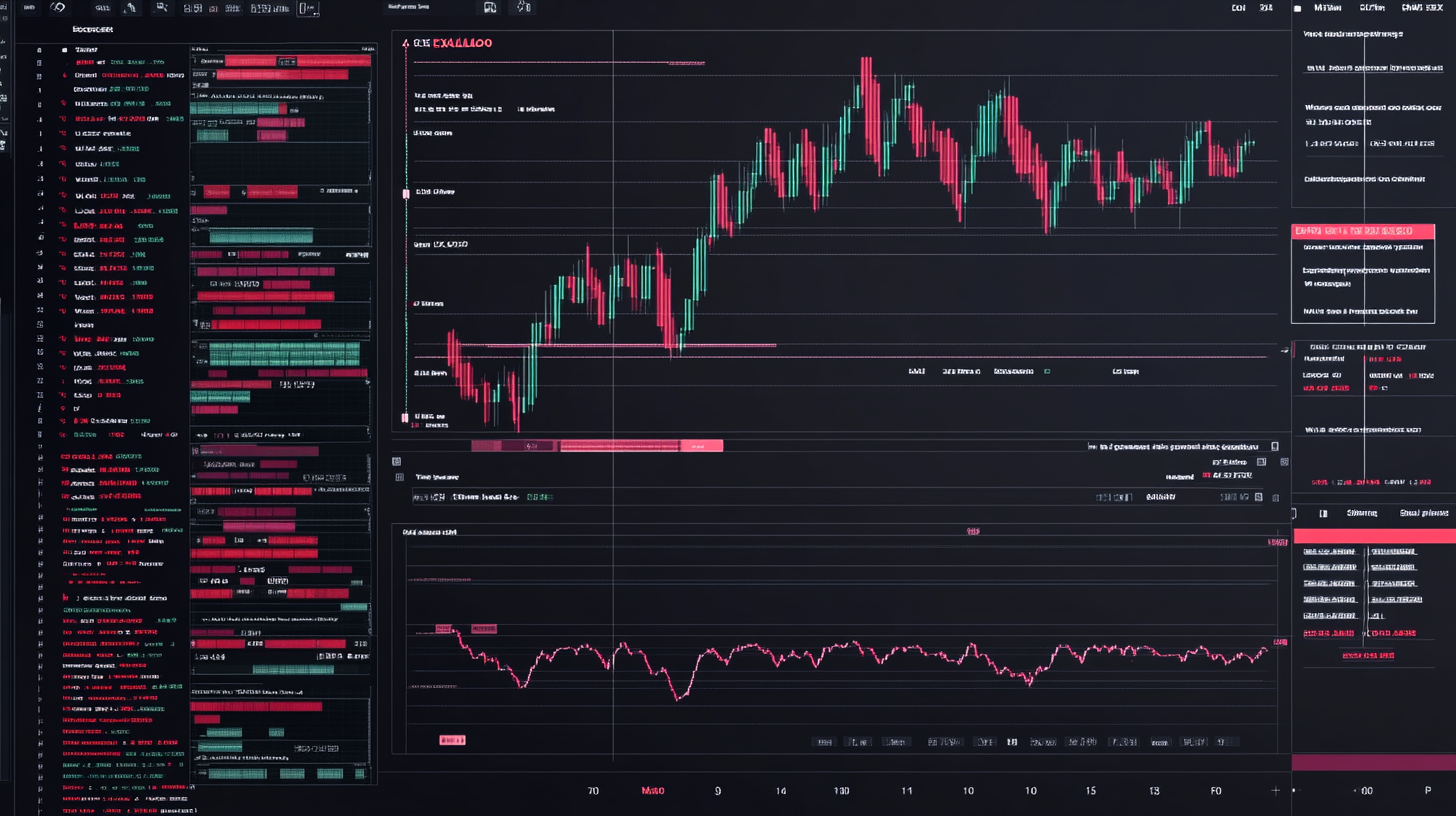
Zhondaruve Trading Platform Alternatives 2026: Reliable Options for Online Traders
Every trading stack is a bet on plumbing: execution, custody rules, and whether you can actually get your money out on your timeline. Zhondaruve appears positioned in the offshore CFD/FX lane—typically a proprietary WebTrader plus mobile app, headline leverage that can run high (commonly advertised around 1:500 in this segment), and an entry deposit that often sits near $250. That mix can be functional for short-term speculation, but it’s a very different product than a tier‑1 regulated brokerage where client-money rules, disclosures, and complaint pathways are more explicit.
For a US/EU reader, the practical question isn’t “Is it tradable?” but “Is it verifiable and enforceable?” If a platform operates under an offshore framework such as the Seychelles FSA (a structure frequently seen among unregulated or lightly regulated providers), your protections and recourse can look nothing like FCA/ASIC/CySEC supervision. That’s why this guide focuses on Zhondaruve from a risk-first lens, then maps credible Zhondaruve alternatives that offer clearer rules around segregated client funds, negative balance protection (where applicable), and documented execution policies.
Below, I break down what Zhondaruve likely offers (fees, platform tools, and market access) and then list regulated, globally recognized substitutes—spanning multi-asset brokers for investors who want real stocks/ETFs and FX/CFD specialists for traders who care about spreads, slippage, and platform choice. Capital is always at risk with leveraged CFDs; the goal is to choose infrastructure you can audit, not just a UI you can click.
Disclaimer: This article is for informational purposes only and does not constitute investment advice. CFDs and other leveraged products can move against you quickly and may result in losses greater than your initial margin.
Key Takeaways (TL;DR)
- Offshore CFD venues can offer high leverage, but tier‑1 regulated brokers typically provide stronger rulebooks (client money segregation, disclosures, complaints process) and clearer execution policies.
- Compare costs using the “round‑turn” lens (spread + commission + slippage + swap), not just a headline “from X pips” number.
- If you plan to switch, open and KYC-verify the new account first, then withdraw using the same funding rail to reduce AML friction.
What Is Zhondaruve and How Does Its Trading Platform Work?
From what’s publicly typical for brokers in this category, Zhondaruve looks like a CFD-first trading venue focused on forex and CFDs, with crypto CFDs commonly included. The operating style is often “broker + platform bundle” rather than a true multi-venue brokerage: you trade contracts priced off underlying markets, not the underlying assets themselves. In practice, that means your experience depends heavily on the broker’s execution model (often market maker in offshore setups), its margin policy, and how it handles extreme volatility events.
Region access matters too. The US is generally restricted for offshore CFD brokers, and many providers also block sanctioned jurisdictions. If you’re evaluating platforms like Zhondaruve from the EU/UK side, the key is aligning your strategy with the platform’s constraints: instrument breadth (typically ~30–50 FX pairs, ~8–15 indices, and a small commodity list), leverage mechanics, and the quality of reporting you’ll need for taxes and audits.
Zhondaruve Web Trading Platform: Core Features and Tools
The hallmark here is usually a proprietary WebTrader—good enough for discretionary trading, less ideal for systematic workflows. Expect standard charting with a practical set of indicators and drawing tools, plus one-click trading, stop-loss/take-profit controls, and a basic account dashboard for margin, equity, and open positions. The best versions of these WebTraders feel responsive; the weaker ones can show quirks during high-volatility windows where quotes update unevenly and order confirmations lag.
Mobile parity is typically decent (iOS/Android apps mirror watchlists and position management), but advanced features—strategy testing, granular order routing, richer depth-of-market views—tend to be limited versus MT4/MT5/cTrader ecosystems. If your edge comes from automation or execution diagnostics, that gap is often the first friction point.
Trading Fees, Spreads, and Account Types at Zhondaruve
Cost structure in this offshore CFD segment is usually a mix of spread-based pricing and optional “Raw/ECN-style” tiers. A reasonable expectation for a standard account is EUR/USD around ~2.0 pips typical spread. Some brokers in this lane offer a tighter raw spread (often ~0.0–0.4 pips) paired with a commission in the $5–$8 round-turn range per standard lot, but the real-world outcome depends on slippage and execution during news.
Also watch the non-trading fees: swap/overnight financing on leveraged positions, possible withdrawal charges depending on payment method, and inactivity policies that can quietly matter if you trade in bursts. For competitors to Zhondaruve under tier‑1 regulation, the pricing may look more “boring,” but disclosures are typically clearer and dispute processes more structured.
When Do Traders Start Looking for Zhondaruve Alternatives?
Signal one is usually not the UI—it’s governance. Traders begin scanning Zhondaruve alternatives when they realize the platform’s protections are hard to verify, or when the execution and funding experience doesn’t match the risk they’re taking with leveraged CFDs. A second catalyst is strategy drift: the moment you need tighter spreads, a known execution model (STP/ECN/DMA), or MT4/MT5/cTrader for automation, a proprietary WebTrader can feel like trading with oven mitts on.
In Europe especially, the contrast between offshore leverage marketing and regulated risk controls is stark. High leverage can amplify outcomes, but it also compresses your margin for error—slippage and a fast market can turn a “small” move into a margin call faster than most people model.
- You need MT4/MT5 or cTrader for an EA or copy framework that a proprietary WebTrader can’t support.
- Your strategy is sensitive to spread + slippage, and EUR/USD around ~2.0 pips is materially changing your expected value.
- You want real shares/ETFs (ownership, voting rights, transferability) instead of stock exposure only via CFDs.
- Withdrawals feel inconsistent in timing or method constraints, especially when trying to pull larger balances after active trading.
How to Choose a Reliable Alternative to the Zhondaruve Trading Platform
Think of switching as a fit-to-strategy decision with a compliance overlay. Your “best” choice depends on what you trade (FX scalps vs. long-only equities), how you trade (manual vs. automated), and what failure modes you can’t tolerate (platform downtime, price gaps, funding delays). The checklist below is designed to filter for enforceable protections and transparent execution—two traits that separate regulated options vs Zhondaruve in day-to-day reality.
Regulation, Safety, and Investor Protection
Start with the regulator’s public register: FCA (UK), ASIC (Australia), CySEC (Cyprus/EU passporting context), or NFA/CFTC (US). Under FCA oversight, eligible clients may fall under the FSCS investor compensation scheme (up to £85,000 in certain failure scenarios); under CySEC, the ICF can cover up to €20,000 for eligible retail clients. Separately, look for segregated client funds language and whether negative balance protection is explicitly stated for your jurisdiction.
Available Markets and Instruments
Map the platform to your actual portfolio goals. If you’re building a barbell—long AI/tech equities plus tactical hedges—prioritize brokers offering real stocks/ETFs and, optionally, listed options and futures. CFD-first venues can be fine for short-term index or FX exposure, but they don’t give shareholder rights and may restrict product depth. For traders who only need FX and indices, a specialized FX/CFD broker can be the cleanest operational fit.
Trading Costs: Spreads, Commissions, and Other Fees
Price is a system, not a number. Compare “round‑turn” cost per trade: spread + commission + expected slippage, then add swap/overnight fees if you hold positions. A raw account with 0.1 pips but higher slippage can be more expensive than a slightly wider spread with better fills. Also read the fine print on inactivity and withdrawal fees—those show up most when your trading rhythm changes.
Platforms, Tools, and Execution Quality
MT4/MT5 and cTrader aren’t just brand names; they unlock automation, VPS hosting, and a large ecosystem of indicators. Proprietary platforms can be slick, but you’re betting on one vendor’s roadmap. Execution model matters: market maker vs. STP/ECN/DMA changes how orders are handled, especially around news and thin liquidity. If you’re assessing Zhondaruve against top substitutes for Zhondaruve, look for published execution quality statements and clear slippage policies.
Support, Education, and Overall User Experience
Operational friction is a hidden trading cost. Favor brokers with multilingual support hours aligned to your market session, fast ticket resolution, and an education hub that explains margin calls, swap mechanics, and product risks in plain language. Mobile matters too: you want full position control, alerts, and account funding transparency on the app, not a “lite” companion that breaks during volatility spikes.
Zhondaruve and Different Asset Classes: When Alternatives May Be Better
Zhondaruve Forex and CFD Trading
Forex and index CFDs are where Zhondaruve’s category typically concentrates: roughly a few dozen FX pairs, a mid-sized index list, and a handful of commodities. The headline lever—often around 1:500—can look attractive, but leverage is a multiplier on both P&L and execution risk. With EUR/USD commonly around ~2.0 pips on standard-style pricing in this segment, high-frequency strategies can bleed performance in a way that’s invisible until you run the math across 100+ trades.
Among regulated brokers similar to Zhondaruve, Pepperstone and IC Markets are frequently picked by cost-sensitive FX traders because they offer MT4/MT5/cTrader and pricing structures that can be meaningfully tighter on raw-style accounts (with explicit commissions). The real differentiator isn’t just the posted spread; it’s execution transparency, the broker’s stated model (STP/ECN style offerings), and whether the trade reports are robust enough to analyze slippage and fill quality.
Zhondaruve Stock and ETF Trading
If your endgame includes owning productive assets—US/EU equities, thematic ETFs, and maybe options overlays—this is where offshore CFD platforms tend to feel narrow. Stock exposure is often offered as CFDs (if offered at all), which means no shareholder rights, no direct participation in corporate actions the way a traditional brokerage account provides, and a different fee/risk profile (including financing for leveraged or short positions).
For investors searching alternatives to the Zhondaruve trading platform with true multi-asset depth, Interactive Brokers (IBKR) is hard to beat for breadth (stocks, ETFs, options, futures, bonds, and FX) and institutional-grade tooling. Saxo Bank is another strong choice for global market access with a polished platform stack geared toward serious portfolio builders. If you’re a Silicon Valley-style operator—long innovation equities, tactical hedges via FX/indices—these brokers align better with the “own + hedge” workflow than a CFD-only setup.
Zhondaruve Crypto Trading
Crypto on offshore CFD venues is usually about price exposure, not on-chain ownership. That distinction matters: a crypto CFD doesn’t let you withdraw coins to a wallet, participate in staking, or verify reserves on-chain. You’re trading a derivative contract with margin, swap/financing considerations, and broker-specific trading conditions—fine for short-term views, but not the same as holding the asset.
For regulated options vs Zhondaruve that keep crypto risk inside a clearer rulebook, brokers like IG and Plus500 commonly offer crypto CFDs in supported regions with standardized disclosures and risk controls. The tradeoff is product scope and regional eligibility: some jurisdictions restrict crypto derivatives for retail. If crypto is a side-car to your macro book, regulated crypto CFDs can be pragmatic; if crypto is a core allocation, you may want a separate, properly regulated spot venue (outside the scope of this CFD-focused comparison).
Best Zhondaruve Alternatives for 2026: Comparison of Top Trading Platforms
Interactive Brokers (IBKR): Key Facts and How It Compares to Zhondaruve
Regulation: SEC/FINRA (US), FCA (UK), IIROC (Canada)
Markets: Stocks, ETFs, options, futures, bonds, FX
Fees: Varies by product and venue; FX pricing is typically commission-based with tight effective spreads for active traders
Platform: Trader Workstation (TWS), IBKR Mobile, Client Portal; API access
Best For: Global multi-asset investors who want real market access
Pepperstone: Key Facts and How It Compares to Zhondaruve
Regulation: FCA (UK), ASIC (Australia), CySEC (Cyprus), DFSA (Dubai)
Markets: FX, CFDs (indices, commodities, some shares depending on region)
Fees: EUR/USD often ~0.0–0.3 pips + commission on Razor/Raw-style accounts; ~1.0+ pips typical on Standard-style pricing
Platform: MT4, MT5, cTrader, TradingView integration (where available)
Best For: FX traders optimizing for tight spreads and automation
Saxo Bank: Key Facts and How It Compares to Zhondaruve
Regulation: FCA (UK), MAS (Singapore), DFSA (Dubai)
Markets: Stocks, ETFs, options, futures, FX, bonds, CFDs
Fees: Tiered pricing by product; FX spreads vary by account tier, with competitive rates for larger balances/active traders
Platform: SaxoTraderGO, SaxoTraderPRO
Best For: Portfolio builders who want a polished pro-grade platform
IC Markets: Key Facts and How It Compares to Zhondaruve
Regulation: ASIC (Australia), CySEC (Cyprus), FSA Seychelles (group-level)
Markets: FX, CFDs (indices, commodities, crypto CFDs depending on region)
Fees: Raw spreads often ~0.0–0.3 pips on EUR/USD plus a per-trade commission; Standard-style accounts typically wider with no separate commission
Platform: MT4, MT5, cTrader
Best For: High-frequency and scalping workflows that need fast execution
IG: Key Facts and How It Compares to Zhondaruve
Regulation: FCA (UK), ASIC (Australia), MAS (Singapore)
Markets: CFDs (indices, FX, shares), some regions offer spread betting; crypto CFDs in supported jurisdictions
Fees: Spread-based pricing on many CFD markets; costs vary by instrument and volatility regime
Platform: IG web platform, mobile app; MT4 available in certain regions
Best For: Macro CFD traders who value strong regulatory oversight
Plus500: Key Facts and How It Compares to Zhondaruve
Regulation: FCA (UK), CySEC (Cyprus), ASIC (Australia), MAS (Singapore)
Markets: CFDs (FX, indices, commodities, shares), crypto CFDs where permitted
Fees: Primarily spread-based; overnight funding applies on leveraged CFD holds
Platform: Plus500 proprietary web and mobile platforms
Best For: Simplicity-first traders who don’t need MT4/cTrader
Comparison Summary
| Platform | Regulation | Main Markets | Typical Costs | Best For |
|---|---|---|---|---|
| Interactive Brokers (IBKR) | SEC/FINRA, FCA, IIROC | Stocks/ETFs, options, futures, bonds, FX | Product-based; FX often commission-driven with tight effective spreads | Global multi-asset investors who want real market access |
| Pepperstone | FCA, ASIC, CySEC, DFSA | FX + CFD suite | Raw: ~0.0–0.3 pips + commission; Standard: ~1.0+ pips | FX traders optimizing for tight spreads and automation |
| Saxo Bank | FCA, MAS, DFSA | Multi-asset (stocks/ETFs/options/futures/FX/CFDs) | Tiered by volume/balance; competitive FX for active tiers | Portfolio builders who want a polished pro-grade platform |
| IC Markets | ASIC, CySEC, FSA Seychelles (group-level) | FX + CFDs (indices/commodities/crypto CFDs region-dependent) | Raw: ~0.0–0.3 pips + commission; Standard: wider spreads | High-frequency and scalping workflows that need fast execution |
| IG | FCA, ASIC, MAS | CFDs; spread betting (region-dependent); crypto CFDs (where permitted) | Mostly spread-based; varies by instrument/volatility | Macro CFD traders who value strong regulatory oversight |
| Plus500 | FCA, CySEC, ASIC, MAS | CFDs across major asset classes; crypto CFDs (where permitted) | Spread-based + overnight funding on leveraged holds | Simplicity-first traders who don’t need MT4/cTrader |
How to Safely Move from Zhondaruve to Another Broker
Switching brokers is a process problem, not a button click. Treat it like a deployment: validate the new environment, migrate data, then move capital in a controlled way. The point is to avoid compounding risks—platform risk plus market risk—at the exact moment you’re changing infrastructure. If you’re closing leveraged CFD positions, remember that volatility can spike during the transition window.
- Confirm the new broker’s license on the regulator’s own site (FCA Register, ASIC Connect, CySEC register, or NFA BASIC) and match the legal entity name—not just the brand.
- Open the new account and complete KYC/AML early (government ID + proof of address), so you’re not stuck mid-withdrawal waiting on verification.
- Export statements and full trade history from Zhondaruve for taxes, performance analytics, and dispute documentation before you change account status.
- Flatten or reduce open exposure on the old account; assume positions cannot be transferred broker-to-broker, so you’ll re-enter trades on the new venue if needed.
- Withdraw funds using the same payment rail you used to deposit, since many brokers enforce source-of-funds rules under AML policies.
- Start with a small live deposit at the new broker and test order types, stop behavior, and fills during active market hours before scaling up.
Ready to Explore Zhondaruve?
If you’re still evaluating the platform, review the current onboarding flow, supported regions, and product list in your jurisdiction, then compare it side-by-side with regulated brokers on execution policy and total trading cost. Small differences in spreads, swap, and withdrawals can matter more than the headline features.
FAQ: Zhondaruve Alternatives and Trading Platforms
What is the best alternative to Zhondaruve in 2026?
The best choice depends on whether you need real stocks/ETFs or primarily FX/CFDs. For true multi-asset access, Interactive Brokers (IBKR) is a strong benchmark; for FX execution and platform choice, Pepperstone or IC Markets are common picks. In other words, “best Zhondaruve alternatives 2026” is really a strategy-to-infrastructure match.
Is Zhondaruve a safe broker/platform?
Zhondaruve appears to operate under an offshore framework (commonly seen as Seychelles FSA in this segment), which generally offers fewer investor protections than FCA/ASIC/CySEC supervision. That doesn’t automatically mean you can’t trade, but it does change your recourse if something goes wrong. For higher confidence, prioritize regulated options vs Zhondaruve with explicit client-fund segregation and clear complaints procedures.
Can I trade stocks, futures, or crypto with Zhondaruve?
Zhondaruve is typically positioned around forex and CFDs, with crypto CFDs often included; real stocks/ETFs and listed futures are usually not the core offering in this category. If you want actual equity and futures market access, consider multi-asset brokers like IBKR or Saxo Bank. If you only need crypto price exposure, regulated CFD providers such as IG or Plus500 may offer crypto CFDs where permitted.
What should I check before switching from Zhondaruve to another platform?
Verify the new broker’s exact legal entity on the regulator’s register, then confirm client-money segregation, negative balance protection (where applicable), and the execution model (market maker vs STP/ECN/DMA). Next, compare total cost of trade (spread + commissions + swap + typical slippage) against your strategy’s holding period. Finally, complete KYC first and test withdrawals/deposits with a small amount before moving meaningful capital.
About the Author: Michael Chang is a Stanford-trained CS+MBA investor and active market participant focused on the intersection of software infrastructure and financial risk. From Silicon Valley, he evaluates trading platforms the way he evaluates startups: by incentives, systems design, and failure modes—then translates that into practical guidance for global traders.